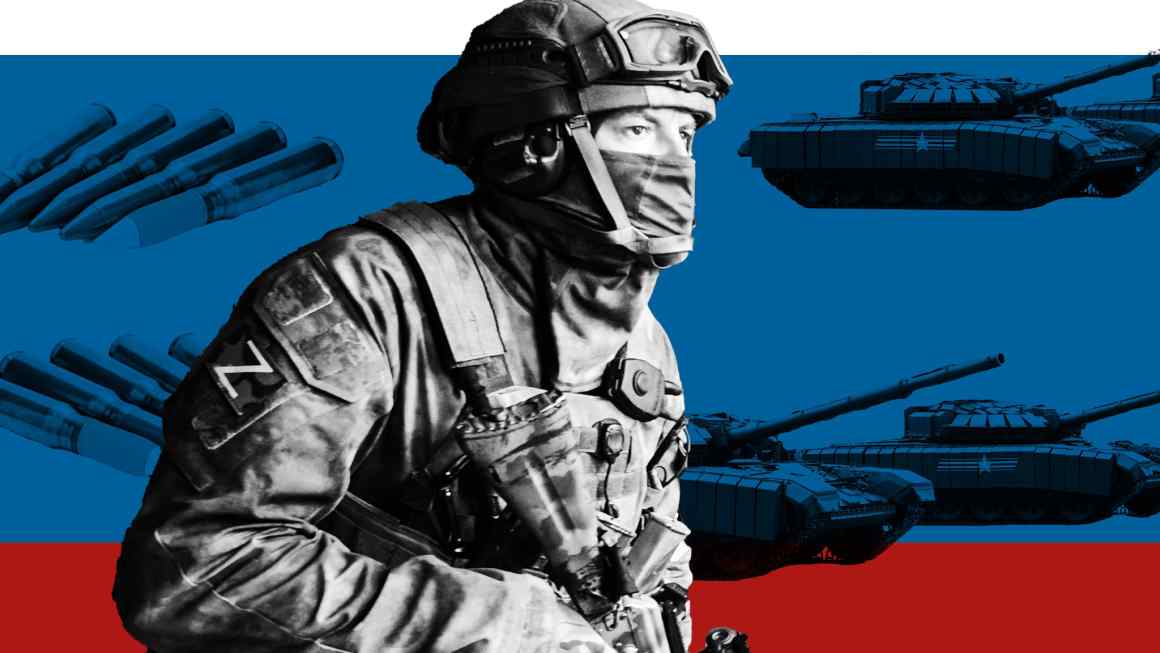
Russia, it appears, is at a crossroads. Or so says Citi in its new macro report on Russia for the first half of 2010.
A financial disaster in the fall of 2008 and the equities star of 2009, Russia is now in a Goldilocks state where stocks are priced low but not cheap; growth is better but not robust; and outlook is good but not great.
First for the markets. With a price-to-earnings ratio of 5.3, Russian stocks remain some of the cheapest in the world. But Citi asks, are they really as cheap as they look?
The bank speculates the PE ratio “probably exaggerates Russia’s valuation discount”. Yet it remains “overweight” on the market in general and optimistic about other aspects of the economy’s recovery. The 6 per cent-growth in retail sales for the month of May more accurately reflects the recovery than the disappointing 2.9 per cent year-on-year growth rate that Rosstat, the state statistics service, gave for the first quarter of the year.
Citi says it maintains its 6 per cent forecast, but takes a cautious view for growth going forward, agreeing with Finance Minister Kudrin (Russia’s Debbie Downer) and his assertion that growth will slow down after 2010 “owing to the lack of long-term investments, low labour productivity, and poor technological progress”.
Russia’s investment-to-GDP ratio is also low at 20 per cent versus the 35 per cent emerging market average, the brokerage says, adding that consumption will likely slow down as well.
So where’s the good news for Russia?
Well, inflation decelerated to an all-time low of 6 per cent year-on-year by the end of May due to the 7.9 per cent gross domestic contraction for 2009 and the appreciating rouble. The central bank, it adds, is also making the long-awaited policy shift from a monetary-focused policy to inflation targeting.
“The central bank of Russia is making progress in monetary policy transparency and transitioning to a more flexible exchange rate regime… While the move to inflation targeting is likely to be very gradual, the central bank is improving its communication policy, strengthening inflation modelling, narrowing the interest corridor and making intervention policy more transparent and less predictable,” says Citi.
As the bank puts it, Russia’s “monetary policy is at a cross-roads between targeting the nominal exchange rate and inflation.”
So the next question is what direction the country decides to go.


Stefan Wagstyl
Josh Noble
Rob Minto
Pan Kwan Yuk
Jonathan Wheatley