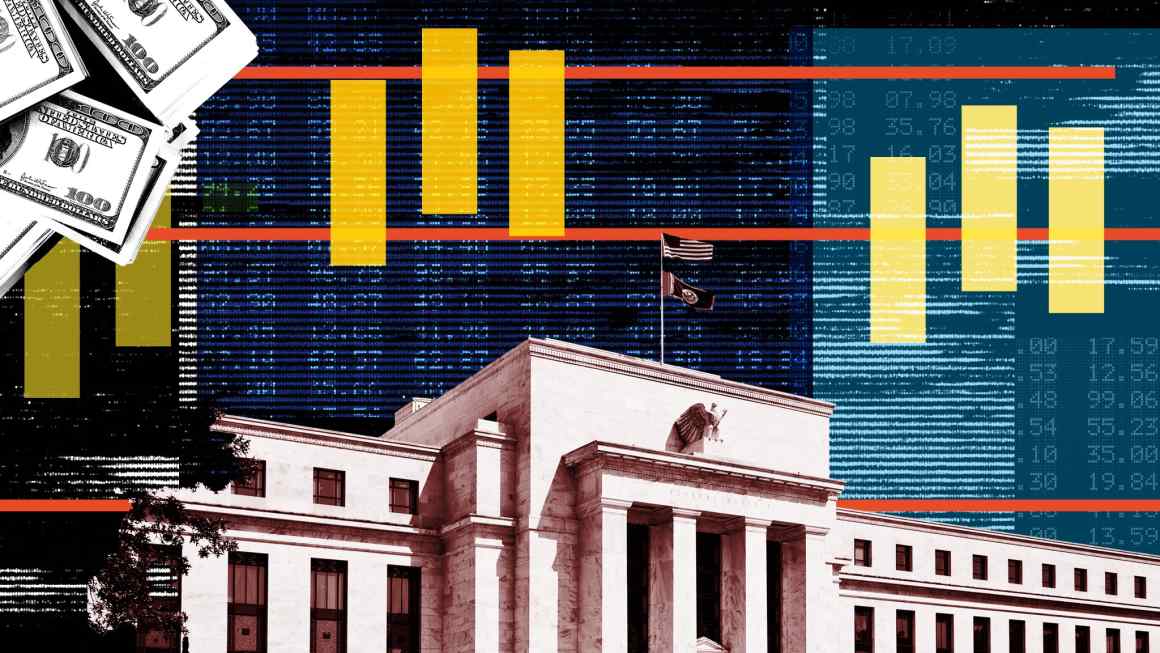


South Korea is all about keeping up appearances and avoiding embarrassment. Raising interest rates today ensures everything will run smoothly at a much hyped conference in the South Korean city of Daejeon next week, jointly run by the Korean finance ministry and the hated International Monetary Fund.
The International Monetary Fund is, quite understandably, not very popular in South Korea. Finance ministry officials grumble that the medicine given during the Asian markets’ crisis of the late 1990s was far too bitter. Seoul is also a hotbed of accusations that the IMF just looks after the interests of Europeans. The joke runs that the European Monetary Fund is located on 19th street, the IMF’s Washington address.
But somehow, the IMF still gets a lot of grudging respect. International banks have been telling South Korea to hike rates since the beginning of the year. But international banks are even less popular than the IMF and are feeling rather sore about South Korea’s new currency controls. Rates have stayed at a record low of 2 per cent for 16 months.
Then, just before Dominique Strauss-Kahn, managing director of the IMF, arrives in Daejeon, we get an unexpected 25 basis point hike. This comes in the very same week that the IMF said a rate increase was needed in its Article IV survey of South Korea. Mr Strauss-Kahn had also mentioned himself, a few days before, that it was about time for Seoul to take action.
All a coincidence? Maybe, but it means there will be no embarrassing spats about rates at the joint press conference between Strauss-Kahn and South Korea’s finance minister. Kibun, the great Korean spirit of goodwill and decorum, has been preserved.


Stefan Wagstyl
Josh Noble
Rob Minto
Pan Kwan Yuk
Jonathan Wheatley