

Brazil’s TV debate: ports, rates and Lula’s shadow

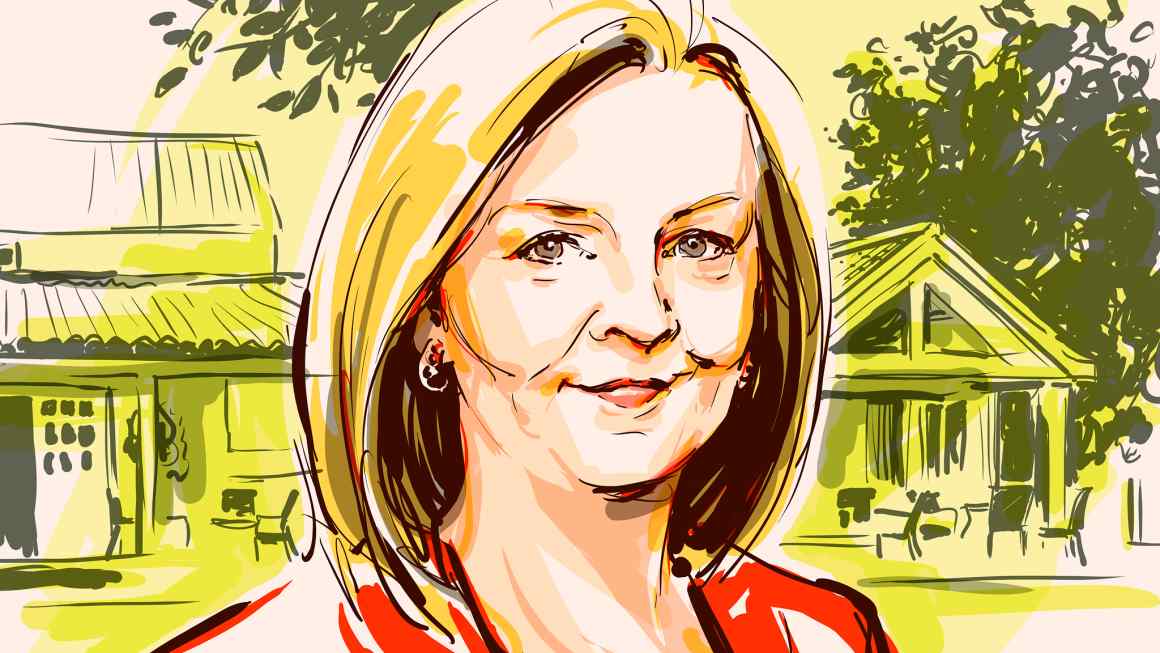
Campaigning for Brazil’s presidential election in October heated up last night with the first televised debate between the leading candidates: Dilma Rousseff (far right in photo) of the governing leftwing Workers’ Party; José Serra of the centrist opposition PSDB (centre); Marina Silva of the Green Party (far left); and Plínio de Arruda Sampaio of the far-left PSOL.

So, how did they fare?

Part 1: Ports: All candidates look pretty nervous – Dilma seemed to freeze before her first answer. But Dilma and Serra have a spirited exchange on overcrowded ports – infrastructure shortages being one of the big issues facing Brazilian business.

Nobody takes a clear lead.

Part 2: Whither Lula: Marina talks sense on drug abuse but her strident tone won’t impress voters. Dilma has relaxed a bit. But the biggest surprise so far is that Dilma has hardly mentioned President Lula, her biggest vote-puller.

Part 3: Inequality: Some dull stuff from Marina and Plínio that will have many viewers switching over to the football (São Paulo vs Inter for a place in the final of the Libertadores).

But it livens up when Dilma asks Serra what he thinks of Lula – forcing him to praise the government’s social programmes and say he will continue them. To his credit, Serra keeps cool – though he gets bogged down in the detail of his achievements as health minister under the previous government.

Plínio asks Dilma about Brazil’s still very high inequality between rich and poor – setting her up nicely to say how the Lula government (again, without naming him) has brought millions out of poverty.

Part 4: Privatisation: The debate turns to taxation and interest rates, both of which badly need addressing by the next government. Dilma promises more of this government’s “fiscal discipline”, while Serra promises to bring interest rates down more quickly.

A question on privatisation (unpopular with Brazilians). Serra seems to duck it, promising better management in government, but then praises Fernando Henrique Cardoso – Lula’s predecessor, who oversaw the bulk of telecoms and other privatisations in the late 1990s. Serra asks why, if the Lula government is against privatisation, it hasn’t nationalised anything.

Now a question to Marina, who was formerly Lula’s environment minister, on the trade-off between saving the forests for future generations and providing for people today. This is her subject and she responds.

But the debate doesn’t touch some key issues:

Will the central bank keep its operational independence?
Will state companies take a bigger role in the economy?
What chance of much-needed reform of tax and public spending?

Part 5: Dilma shades it: Candidates sum up. Serra goes for the popular touch by (strangely) saying his daughter chastised him in the interval for not smiling enough. He’s almost taking out an onion now as he remembers his father and his own early struggles.

Dilma makes capital of her role in the Lula government – but again quickly switches from mentioning Lula by name and talking of “us”. This has been her smartest move in the debate. She’s grown in stature during the debate, though she could still use more charisma.

Analysis: Neither Dilma nor Serra will have stolen many of each other’s voters. But for the undecided, Dilma probably managed to gain a marginal lead on Serra.

Related reading:
Full text: Dilma Rousseff interview, (2009) FT
Brazil’s short-term rate forecast: increasingly cloudy, FT beyondbrics

Global equities macromap

Number of the day

46 Number of Chinese cities out of 70 that saw a house price fall in April, the worst number since the new tracking system began.

beyondbrics

The emerging markets hub

About this blog Headlines email Blog guide
News and comment from more than 40 emerging economies, headed by Brazil, Russia, India and China.


'Like' our beyondbrics Facebook page, where we showcase a top story of the day
Sign up for our news headlines and markets snaphot service. We have two emails per day - London and New York headlines (sent at approx 6am and 12pm GMT).

To comment, please register for free with FT.com and read our policy on submitting comments.

There is an overall beyondbrics RSS feed, as well as feeds for all our countries, tags and authors. Learn more in our full RSS guide.

All posts are published in UK time.

Get in touch with us - your comments, advice and even complaints. Find out how to contact the team.

See the full list of FT blogs.

BB shortcuts

Regulars Series Archive
Chart of the week
Behind the numbers

Fund flows
Tracking money in and out of EM bonds
12 for 2012
Guest posts on key trends for the year ahead

Brics at 10
A decade of growth
The Diaspora Digest
EM diasporas, seen through their community media (Oct-Nov 2011)
Sick brics (Sep 2011)
Brics and mortar (Aug 2011)
Beyondbrics on the beach (Jul-Aug 2011)
China bubble? (June 2011)
Post-election Nigeria (June 2011)
Hey bric spender (Aug 2010)

Emerging markets data

Archive

« Jul Sep »August 2010
M T W T F S S
 1
2345678
9101112131415
16171819202122
23242526272829
3031  

What we are writing about

Apple aviation banking bonds Brazil economy Brics CEE China economy consumer corruption currencies currency war debt equities eurozone crisis FDI food & drink guest post Hugo Chávez IMF India economy inflation interest rates investment IPOs M&A manufacturing mining monetary policy oil & gas PMI politics regulation Repsol retail Russian elections Russian politics tax technology telecoms trade vehicles video World Bank YPF