
[Hey Bric Spender] Guest post: Consumers are trading up

By Michael Geraghty of Citi Investment Research

As income levels rise in emerging markets, spending patterns  - and lifestyles – are also changing. Consumers are increasingly shifting from basic necessities to more sophisticated goods and services.

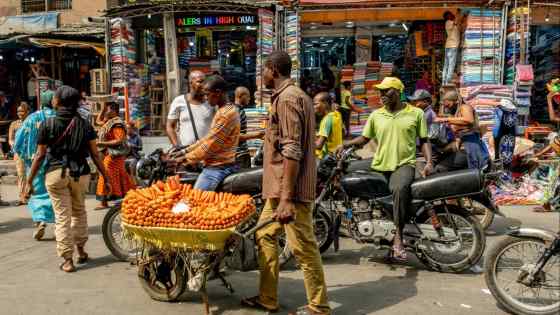
Perhaps the most immediate form of trading up involves expenditures on food. As incomes rise and diets change, three things typically occur. First, the percentage of income spent on food declines. Second, the dollar value of food expenditures increases, reflecting the fact that consumers trade up to better-tasting, more expensive foods. Third, there is a shift in the types of food products purchased, with, for example, consumers favoring products that offer convenience.

Obviously, modern retail formats facilitate the purchase of packaged consumer products offering convenience. Fast food companies also benefit from the fact that urbanization in emerging markets is leading to greater numbers of harried office workers with less time to cook at home.

Changing lifestyles have other implications too. So, for example, while penetration of personal care products such as toothpaste and shampoo is high in many emerging markets, penetration of items such as deodorants and cosmetics, while rising, is still relatively low.

Turning from goods to services, in countries such as China and India the share of services consumption in GDP is relatively low, and should rise significantly. This growth has implications for financial services companies, healthcare providers, and education companies.

Despite advances in banking systems, large numbers of consumers in emerging markets still lack access to various financial services, including credit cards. This is to some extent a question of logistics, including a lack of credit histories, which partly reflects a cultural aversion to credit. Organization is another issue, reflecting the vast size of countries such as China and India, and the challenge of creating cross-country branch networks.

In part reflecting these factors, debit cards have proved very popular in many emerging markets. Income growth and asset ownership are also generating demand for the services of insurance companies. Income growth leads to demand for a broader range of financial products (including life insurance), while increased ownership of property (including automobiles) creates awareness of the need for risk protection.

Rapid rises in populations, urbanization, and the growing incidence of associated diseases are pressuring healthcare systems in many emerging markets. With regard to communicable diseases, HIV/AIDS has been a cause for concern in India, while the H1N1 flu has been a particular focus in China. As for non-communicable diseases – including cardiovascular diseases, diabetes, and cancer – lifestyle changes are resulting in growing prevalence of these conditions throughout Asia. Rising incomes should mean that consumers in emerging markets dedicate more resources to healthcare.

Consumers can also afford to spend more on education as income levels rise. So, for example, in China’s intensively competitive society, many parents spend on educational services with a goal of differentiating their children academically. In India, by contrast, an under-resourced public education system means that middle class parents often look to the private sector to ensure an adequate level of education for their children.

In summary then, emerging market consumerism – including the ‘trading up’ trend – creates a range of opportunities for both local companies and multinationals. Even so, it is important to acknowledge that, in many cultures, traditions are deeply embedded, and some habits are slow to change.

Michael Geraghty is themes strategist at Citi Investment Research & Analysis in New York

Related reading:
[Hey Bric Spender series
]

Chinese brands step up their game – beyondbrics
Guest post: India’s consumer juggernaut
– beyondbrics
The politics of Chinese consumption – beyondbrics
A healthier Ramadan in Dubai – beyondbrics
Moscow: open for business 24 hours
– beyondbrics
Low-cost treadmills for Brazilian joggers – beyondbrics
Guest post: Consumers are trading up – beyondbrics
Russians click their way to bargains – beyondbrics
Scrambling for eggs – beyondbrics
Asia’s middle class: growing but fragile – beyondbrics
LatAm airlines fly high on consumer demand – beyondbrics
Gadget-loving Vietnam goes shopping – beyondbrics
Indian bachelors seek eternal youth – beyondbrics
Buying security in South Africa’s townships – beyondbrics
Beyond the frontier: war to beer – beyondbrics
Building Brics – In depth
, FT


Global equities macromap

Number of the day

46 Number of Chinese cities out of 70 that saw a house price fall in April, the worst number since the new tracking system began.

beyondbrics

The emerging markets hub

About this blog Headlines email Blog guide
News and comment from more than 40 emerging economies, headed by Brazil, Russia, India and China.


'Like' our beyondbrics Facebook page, where we showcase a top story of the day
Sign up for our news headlines and markets snaphot service. We have two emails per day - London and New York headlines (sent at approx 6am and 12pm GMT).

To comment, please register for free with FT.com and read our policy on submitting comments.

There is an overall beyondbrics RSS feed, as well as feeds for all our countries, tags and authors. Learn more in our full RSS guide.

All posts are published in UK time.

Get in touch with us - your comments, advice and even complaints. Find out how to contact the team.

See the full list of FT blogs.

BB shortcuts

Regulars Series Archive
Chart of the week
Behind the numbers

Fund flows
Tracking money in and out of EM bonds
12 for 2012
Guest posts on key trends for the year ahead

Brics at 10
A decade of growth
The Diaspora Digest
EM diasporas, seen through their community media (Oct-Nov 2011)
Sick brics (Sep 2011)
Brics and mortar (Aug 2011)
Beyondbrics on the beach (Jul-Aug 2011)
China bubble? (June 2011)
Post-election Nigeria (June 2011)
Hey bric spender (Aug 2010)

Emerging markets data

Archive

« Jul Sep »August 2010
M T W T F S S
 1
2345678
9101112131415
16171819202122
23242526272829
3031  

What we are writing about

Apple aviation banking bonds Brazil economy Brics CEE China economy consumer corruption currencies currency war debt equities eurozone crisis FDI food & drink guest post Hugo Chávez IMF India economy inflation interest rates investment IPOs M&A manufacturing mining monetary policy oil & gas PMI politics regulation Repsol retail Russian elections Russian politics tax technology telecoms trade vehicles video World Bank YPF