
Russia’s kopeck coin may soon be scrap metal

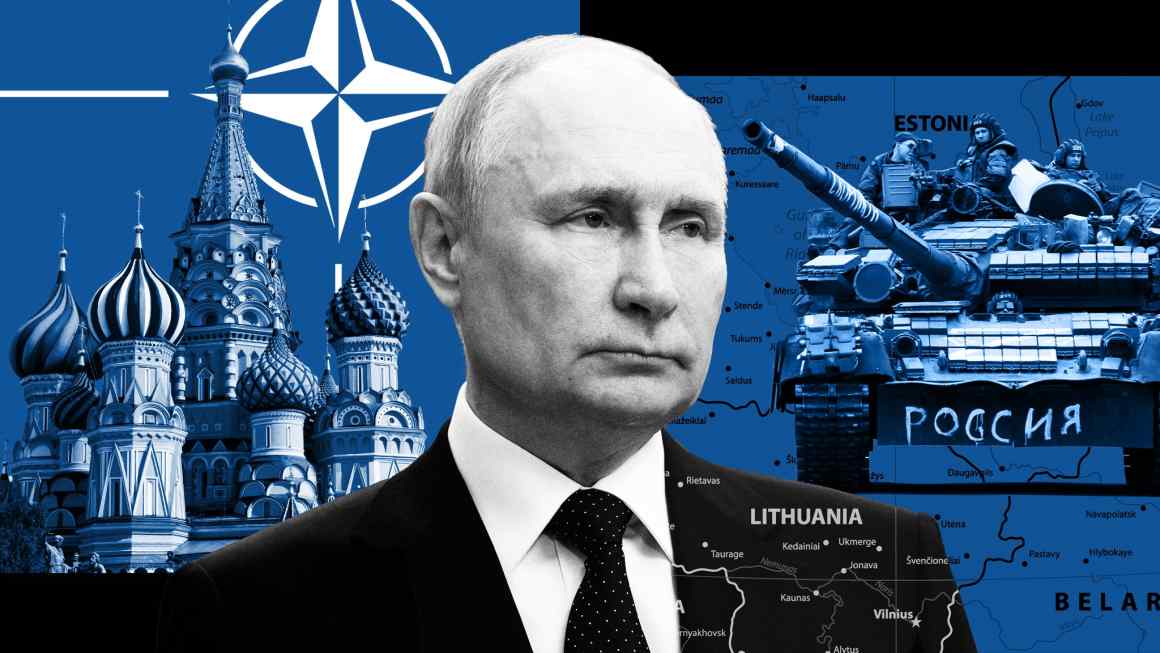
Vladimir Putin jumped to the rescue of Russian carmakers this summer, lashing out at metallurgical companies for a sharp rebound in metals prices and the harm it did to carmakers’ balance sheets. Now it seems price hikes have hit yet another victim: the Russian kopeck.

Russia’s Central Bank is urging the Duma to cut production of Russia’s smallest coin, and its big sister the 5-kopeck coin as the cost of producing the coins continues to balloon against their actual monetary value.

The cost of producing a kopeck is now 45 times higher than the value of the coin itself, which is equal to one hundredth of a rouble or one hundredth of $0.32. A five-kopeck coin costs 69 kopecks to make.

While previous Central Bank efforts to kill the kopeck have been unsuccessful, its argument is likely to hold more weight now because of a sharp rise in copper and nickel prices since 2008.

Over the past year, the average price of copper has gone up 37.8 per cent, while nickel has risen 43.6 per cent and compressed steel, another ingredient, has added 32.6 per cent.

Putting 234m new 1-kopeck and 58m new 5-kopeck coins into circulation last year cost the Central Bank Rb168m, versus the coins’ total value of Rb5.2m.

On top of that, the coins’ usefulness is also increasingly doubtful as years of inflation have diminished their value: there’s certainly nothing you can buy for a single kopeck.

Next year Russia’s central bank is hoping it won’t have to produce any new 1- and 5-kopeck coins at all– and it seems it might get its wish, or at least half of it.

Pavel Medvedev, deputy head of the Duma’s financial committee, said he was “100 per cent certain” the Duma would accept the Central Bank’s proposal regarding the 1-kopek coin within the next one to two weeks, Vedomosti reported.

Vladislav Reznik, another member of the committee, explained the population itself was for the idea, telling the rest of the Duma’s lower house, “Even in the villages, where there are no roads, they use kopecks to make the floors”, Reuters reported.

While the comments of the financial committee would suggest the kopeck’s fate is in the bag, the future of the 5-kopeck remains less certain.

Medvedev, the Duma representative, said eliminating the 5-kopeck coin could hurt inflation and increase electricity and mobile phone prices – because businesses would be tempted to round prices up to the nearest 10.

While economists, such as Natalia Orlova of Alfa Bank, have dismissed such claims, it seems likely the Duma’s opinion will prevail.

After years of rising metal prices, it appears that for Russia’s political elite the kopeck has finally dropped.

Related reading:
Malaysia looks to ancient alternative currency – gold, beyondbrics

Global equities macromap

Number of the day

11% Quarter-on-quarter GDP growth in Thailand, as the economy bouces back after the 2011 floods.

beyondbrics

The emerging markets hub

About this blog Headlines email Blog guide
News and comment from more than 40 emerging economies, headed by Brazil, Russia, India and China.


'Like' our beyondbrics Facebook page, where we showcase a top story of the day
Sign up for our news headlines and markets snaphot service. We have two emails per day - London and New York headlines (sent at approx 6am and 12pm GMT).

To comment, please register for free with FT.com and read our policy on submitting comments.

There is an overall beyondbrics RSS feed, as well as feeds for all our countries, tags and authors. Learn more in our full RSS guide.

All posts are published in UK time.

Get in touch with us - your comments, advice and even complaints. Find out how to contact the team.

See the full list of FT blogs.

BB shortcuts

Regulars Series Archive
Chart of the week
Behind the numbers

Fund flows
Tracking money in and out of EM bonds
12 for 2012
Guest posts on key trends for the year ahead

Brics at 10
A decade of growth
The Diaspora Digest
EM diasporas, seen through their community media (Oct-Nov 2011)
Sick brics (Sep 2011)
Brics and mortar (Aug 2011)
Beyondbrics on the beach (Jul-Aug 2011)
China bubble? (June 2011)
Post-election Nigeria (June 2011)
Hey bric spender (Aug 2010)

Emerging markets data

Archive

« Aug Oct »September 2010
M T W T F S S
 12345
6789101112
13141516171819
20212223242526
27282930  

What we are writing about