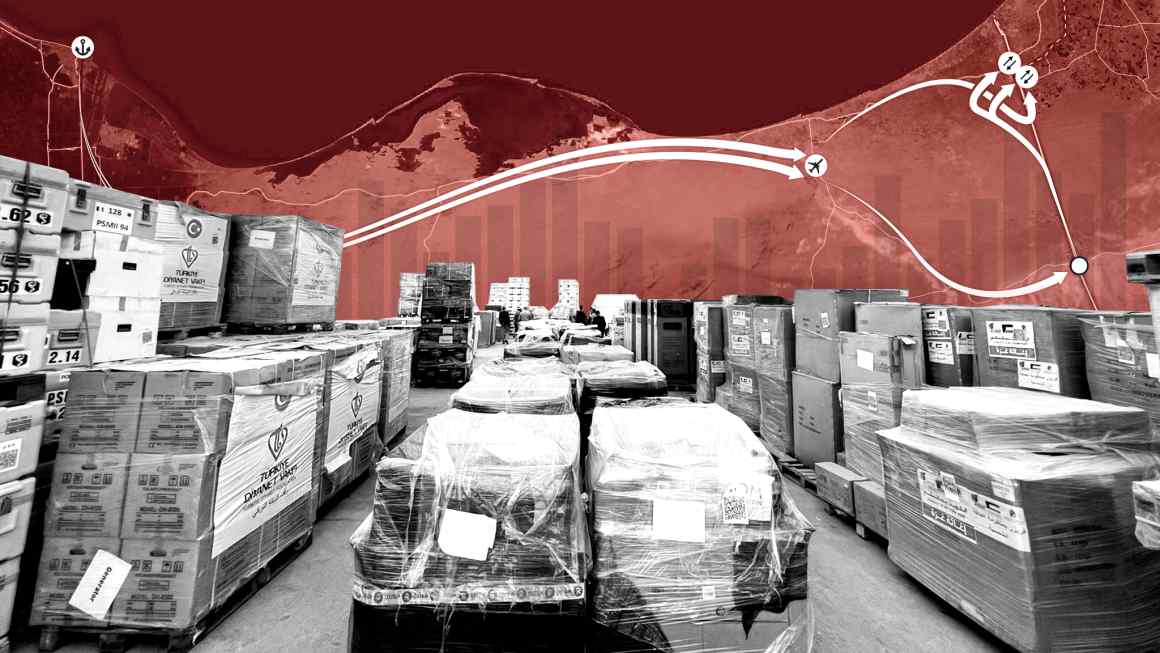


Logistically, south-east Asia is a nightmare. Until last year, if you wanted to get a container of goods from Bangkok to Hanoi you would have had to use three different trucks go get it there, one for Thailand, one for Cambodia and one for Vietnam.
But that is changing. Abhisit Vejjajiva, Thailand’s prime minister, signed a deal on Monday to build a port on the coast of neighbouring Burma, part of a much larger region-wide infrastructure programme which includes massive investments in the rail network, largely funded by China.
Ital-Thai, Thailand’s largest construction contractor, recently said that it hoped to sign a Bt400bn ($13.3bn) deal to develop the new deep-water port at Tavoy, with an industrial estate and ancilliary transport network, including a 160km railway to Kanchanaburi in Thailand.
If the deal goes ahead, it will be the largest ever single investment in Burma.
The port could revolutionise trade patterns in the region by giving meaningful access to the Andaman Sea and the lucrative markets of India. There is a deep water port at Phuket, but much of the region’s westward bound cargo leaves from Thailand’s Map Ta Phut or Laem Chabang ports, both on the Gulf of Thailand. Cargo currently has to dogleg through the crowded Straits of Malacca before heading west.
The Association of South East Asian Nations, underwritten by China, has embarked on an ambitious plan to create a region-wide rail network which will eventually stretch from Beijing to Singapore. Some of the missing links are already being filled in – the World Bank and Australia are funding the rehabilitation of 600km of Cambodian railways; work is due to begin next month on a 580km link between Yunnan province in China and Laos; and negotiations have started on the key missing link, between Ho Chi Minh city in Vietnam and Phnom Penh in Cambodia.
But the port deal will also underline just how ineffective international sanctions against the Burmese regime are. Thailand is America’s oldest ally in Asia, and if Washington cannot persuade the Thai government to limit its involvement with the generals who run Burma, there is little hope that the regime’s other major supporters – China and India – will fall into line.
Related reading:
Deal struck on deep-sea port, Bangkok Post
Burma’s reclusive leader makes trip to India, FT


Stefan Wagstyl
Josh Noble
Rob Minto
Pan Kwan Yuk
Jonathan Wheatley