


Sizzling: Thai SET hits 14-year high

Thailand’s SET Index moved above the 1,000 point mark for the first time since 1996 on Tuesday, reflecting the ebullient confidence of Asian markets, but it also underlined concerns that cheap western money could be fuelling bubbles in the region. 

The SET is so far up a little over 38 per cent on the year (42.2 per cent in dollar terms), significantly outperforming the dollar-denominated FTSE/ASEAN index, which is up 26.3 per cent.

The renewed interest in Thai stocks is being driven by a combination of the strength of the economy, which is expected to grow 7 to 8 per cent this year; the expectation that there are still more currency gains to be had; and the fact that the country’s dodgy politics meant that many portfolio investors were underweight at the beginning of the year.

But the SET’s new muscles shouldn’t hide old weaknesses. The market is still relatively shallow, with a market cap of just $270bn – one eighth the size of Hong Kong – and its somewhat erratic progress is disproportionately driven by relatively few big domestic players, some of whom have in the past not been very kind to minority shareholders.

But despite that, and the fact that on Tuesday the index ducked back down below the 1000 point parapet after a quick look, the short-term outlook is for more strength.

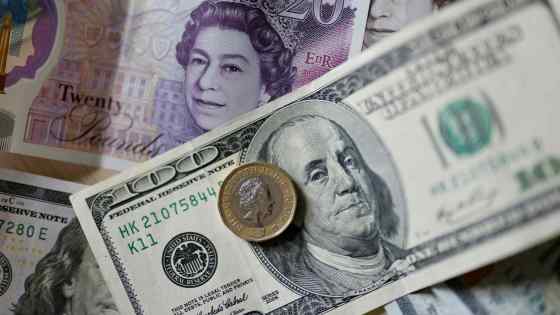
The G20′s reassuring message that they were going to try to avoid competitive currency devaluation is good news for Asian currencies that have appreciated strongly against the dollar – the Thai baht is up 11 per cent – but it doesn’t solve the problem of the wave of money unleashed by quantitive easing in the west sloshing ashore in Asia in search of better returns.

Thailand re-instituted some light capital controls on the bond market two weeks ago, putting back a 15 per cent withholding tax on foreign investors’ bond profits, but so far the stock market has escaped, partially because there has been less foreign interest in equities.

But if money keeps on coming in, that could change.

Related:

India warned over capital inflow risks - FT
ING: time to take some profit out of emerging Asia – beyondbrics
Thai capital controls: more to come – beyondbrics

Global equities macromap

Number of the day

11% Quarter-on-quarter GDP growth in Thailand, as the economy bouces back after the 2011 floods.

beyondbrics

The emerging markets hub

About this blog Headlines email Blog guide
News and comment from more than 40 emerging economies, headed by Brazil, Russia, India and China.


'Like' our beyondbrics Facebook page, where we showcase a top story of the day
Sign up for our news headlines and markets snaphot service. We have two emails per day - London and New York headlines (sent at approx 6am and 12pm GMT).

To comment, please register for free with FT.com and read our policy on submitting comments.

There is an overall beyondbrics RSS feed, as well as feeds for all our countries, tags and authors. Learn more in our full RSS guide.

All posts are published in UK time.

Get in touch with us - your comments, advice and even complaints. Find out how to contact the team.

See the full list of FT blogs.

BB shortcuts

Regulars Series Archive
Chart of the week
Behind the numbers

Fund flows
Tracking money in and out of EM bonds
12 for 2012
Guest posts on key trends for the year ahead

Brics at 10
A decade of growth
The Diaspora Digest
EM diasporas, seen through their community media (Oct-Nov 2011)
Sick brics (Sep 2011)
Brics and mortar (Aug 2011)
Beyondbrics on the beach (Jul-Aug 2011)
China bubble? (June 2011)
Post-election Nigeria (June 2011)
Hey bric spender (Aug 2010)

Emerging markets data

Archive

« Sep Nov »October 2010
M T W T F S S
 123
45678910
11121314151617
18192021222324
25262728293031

What we are writing about