

Egypt: economic paralysis

Shops, offices and banks across Cairo remained shut on Monday and thousands of people stayed home from work as evidence mounted that parts of Africa’s second largest economy have been paralysed by anti-government protests.

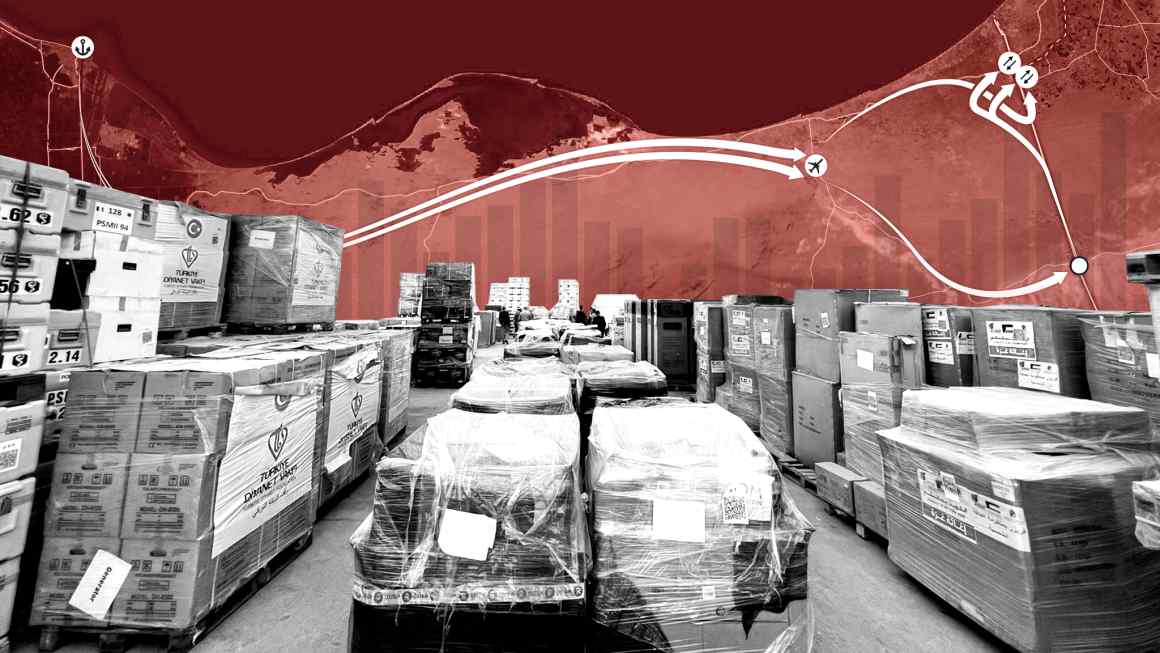
A backlog of containers is stacking up in Alexandria, Egypt’s largest port, the New York Times reported. Barclays said it had closed its 65 bank branches in the country on the advice of the central bank, and Bloomberg reported that several international oil companies were preparing to evacuate staff or their dependents from the country.

Royal Dutch Shell said it had decided to temporarily relocate the families of expatriates and some non-essential staff from Egypt. Lukoil of Russia said it was evacuating most of its staff and Italy’s Eni said it was repatriating 250 employees.

Egypt is not one of Africa’s biggest oil producers but it has the sixth-biggest reserves on the continent and Statoil, Norway’s biggest oil company, said it stopped drilling there on Monday.

In other sectors Lafarge, the French cement maker, said it had halted production in Egypt until the situation improved, and Daimler suspended production of Mercedes-Benz vehicles at its local joint venture for two days, according to Bloomberg.

Long before the effects of economic disruption show up in macro statistics or tax receipts, they can have a more immediate humanitarian impact as families struggle to secure food, water and electricity supplies.

Signs of this are already emerging in reports from the country, where residents of several big cities are responding to a sense of lawlessness by hoarding goods and barricading themselves in their homes.

The longer banks stay closed, the more concern is growing that a run on them will begin as soon as they open and customers rush to withdraw funds.

In an effort to head off possible panic, central bank officials and bankers have stressed in recent that there is sufficient liquidity in the financial system to buffer the effects of financial instability.

Inflation and the rising cost of living had contributed to the widespread public discontent in Egypt and the New York Times is reporting one example of how the protests have aggravated that trend:

At one Alexandria market in the western neighborhood of Agamy, the price of onions on Sunday had risen to about 60 cents for a kilogram, or about 2 pounds’ worth, from 25 cents. Tomatoes were up to about 85 cents a kilogram, from a quarter, and the price of a kilogram of beans had risen fivefold to about $1.70 from 35 cents.

In spite of speculation about its potential closure, ships have been travelling as usual through Egypt’s Suez canal, a crucial transport link for European and Asian trade. But Reuters said the unrest had left some unable to pick up military escorts for protection in the pirate-prone Gulf of Aden.

A senior coordinator with a shipping firm operating in Suez told Reuters:

No ships have been delayed, but there have been no immigration or customs officials to clear security teams for shipments for the past two days.

When the state retreats, even the most free market economies cannot operate untroubled for long.

Global equities macromap

Number of the day

12.4% Fall in Mail.Ru shares on Monday, on the back of its Facebook stake.

beyondbrics

The emerging markets hub

About this blog Headlines email Blog guide
News and comment from more than 40 emerging economies, headed by Brazil, Russia, India and China.


'Like' our beyondbrics Facebook page, where we showcase a top story of the day
Sign up for our news headlines and markets snaphot service. We have two emails per day - London and New York headlines (sent at approx 6am and 12pm GMT).

To comment, please register for free with FT.com and read our policy on submitting comments.

There is an overall beyondbrics RSS feed, as well as feeds for all our countries, tags and authors. Learn more in our full RSS guide.

All posts are published in UK time.

Get in touch with us - your comments, advice and even complaints. Find out how to contact the team.

See the full list of FT blogs.

BB shortcuts

Regulars Series Archive
Chart of the week
Behind the numbers

Fund flows
Tracking money in and out of EM bonds
12 for 2012
Guest posts on key trends for the year ahead

Brics at 10
A decade of growth
The Diaspora Digest
EM diasporas, seen through their community media (Oct-Nov 2011)
Sick brics (Sep 2011)
Brics and mortar (Aug 2011)
Beyondbrics on the beach (Jul-Aug 2011)
China bubble? (June 2011)
Post-election Nigeria (June 2011)
Hey bric spender (Aug 2010)

Emerging markets data

Archive

« Dec Feb »January 2011
M T W T F S S
 12
3456789
10111213141516
17181920212223
24252627282930
31  

What we are writing about