


Volatility is the word of the moment – not only on Egypt’s streets, but in investor perceptions of events as well. After rising sharply for five sessions up until Monday, the cost of Egyptian bond insurance dropped suddenly on Tuesday.
The spread on five-year credit default swaps fell from its intra-day peak of around 450 basis points in the previous session to around 390 basis points. It could be that investors have found reason to relax in the army’s vow not to use force against protestors.
But outstanding uncertainties – especially over what kind of government would emerge if President Hosni Mubarak stood down – probably still outweigh the signs of stability.
Andreas Kolbe, a credit strategist at Barclays Capital, said: “At this stage I’d see the tightening of spreads as volatility and I think we need to see how the events unfold over the next couple of days before we can say that things have truly turned a corner.”
CDS are traded on an over-the-counter market where international banks and investors can continue to buy and sell them even as Egypt’s banks remain shut.
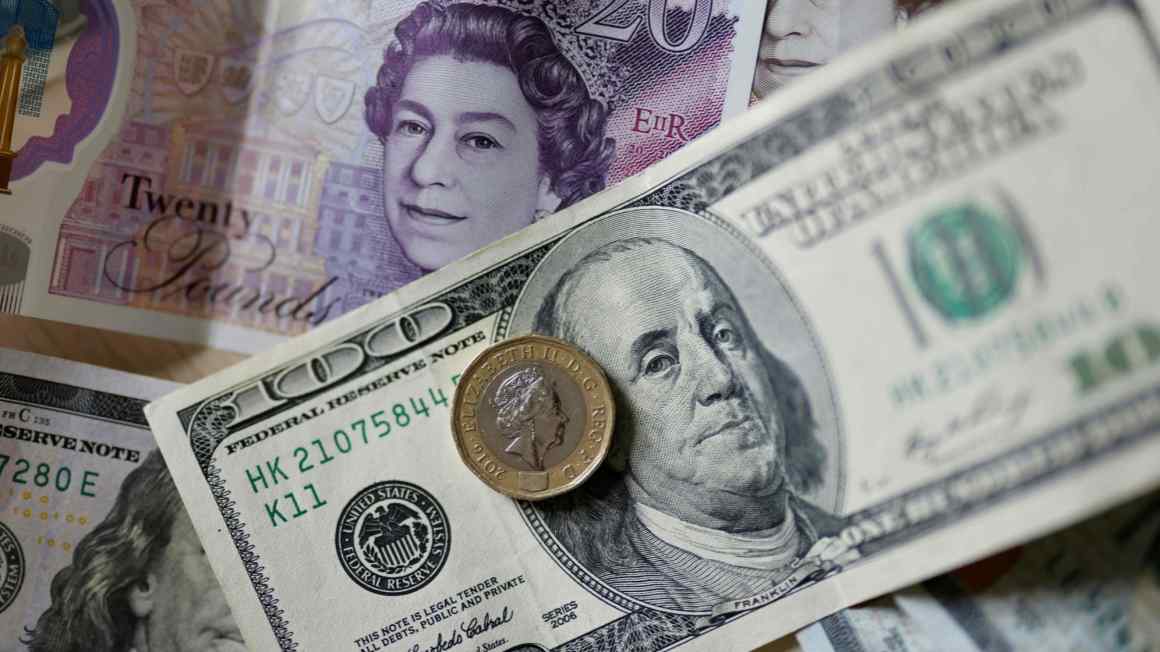
In a sign that investor sentiment remains mixed, if not confused, futures markets were predicting that the Egyptian pound would weaken by more than 6 per cent in the next three months to its weakest level since 2004, according to Bloomberg.
In a gloomy statement, Oliver Bell, manager of Pictet Asset Management’s Middle East and north Africa fund, said none of Egypt’s possible new leaders – including the newly appointed vice president Omar Suleiman and Mohammed ElBaradei, the Nobel laureate – seemed to promise all three of the following: democratic reform, stability and regional policies sympathetic to the west.
He went on:
The economic and financial effects of Egypt’s crisis are not good. There is still a large amount of foreign money in Egypt (around US$20bn), split between the equity and fixed income markets, so the biggest concern for investors would be capital flight; a weakening Egyptian pound; and, consequent boost to already high inflation. Egypt does have US$34bn of foreign reserves and so the central bank would in theory be able to ensure an orderly exit by those that want it.
Alia Moubayed, a Barclays Capital economist, took a more optimistic stance, saying: “There are many developments that people are looking at that are making them think things are moving toward a rather orderly but difficult transition.”


Stefan Wagstyl
Josh Noble
Rob Minto
Pan Kwan Yuk
Jonathan Wheatley