
The arrest of a prominent Shia cleric and the prospect of demonstrations in Saudi Arabia, the world’s largest oil exporter, has spooked the local Tadawul stock exchange.
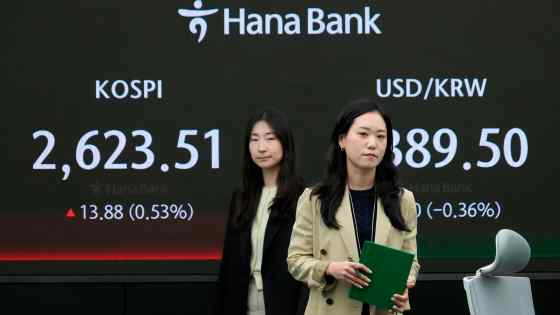
The Tadawul, the largest stock market in the Arab world by capitalisation, plunged 6.78 per cent to 5,538.72 on Tuesday, bringing its decline for the year to date to 16.34 per cent.
Reassurances from the finance ministry that a $35bn welfare spending boost announced last week by King Abdullah did nothing to calm investors’ nerves. The fear of political contagion, it seems, have gripped the kingdom.
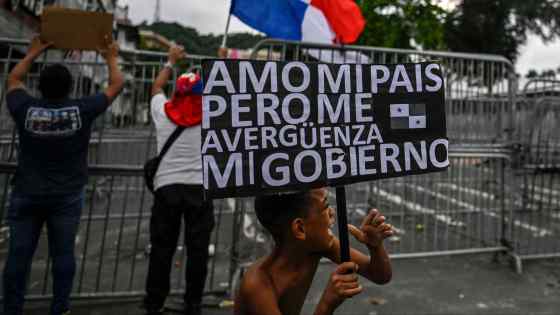
Saudi Arabia has yet to see the kind of mass protest that have electrified Egypt, Tunisia, Libya or nearby Bahrain. But it suffers from mass unemployment among its youthful population, an opaque political system which massively favours the ruling Saud family, corruption, and severe wealth disparities.
An ailing King Abdullah returned home last week after three months of medical treatment abroad and promptly unveiled a $35bn “royal gift” in social, unemployment and housing benefits for Saudis.
Ibrahim al-Assaf, the finance minister, said in Riyadh on Tuesday that the burgeoning unrest around the Arab world had not yet caused “any adverse impact on the Saudi economy,” but said that the measures unveiled by the king would be implemented immediately.
Al-Assaf was speaking shortly after it was revealed that Saudi security forces had detained Tawfiq al-Amir, a prominent Shia cleric from the east of the Sunni-dominated country. About 15 per cent of Saudis are thought to be Shia.
There are rumours of mass political protests planned for 11 and 20 March, although these could not be substantiated.
The Saudi stock market, with a market value of nearly $300bn, is dominated by retail investors and can only be accessed by foreign investors using “total return swaps” via licensed brokers – a mechanism introduced in August 2008.
There have been hopes that the Capital Markets Authority will further ease access to foreign involvement by creating a class of qualified investors. But this won’t be top of the agenda for the authorities right now.
In a note on Monday Banque Saudi Fransi noted that Saudi net foreign assets break record of SR1.67 trillion but said that banks were still wary of lending.
“New lending skewed toward long-term tenures, banks still wary about lending as loan-to-deposit ratio falls,” the bank said.
Related reading
Middle East protests in depth, FT


Stefan Wagstyl
Josh Noble
Rob Minto
Pan Kwan Yuk
Jonathan Wheatley