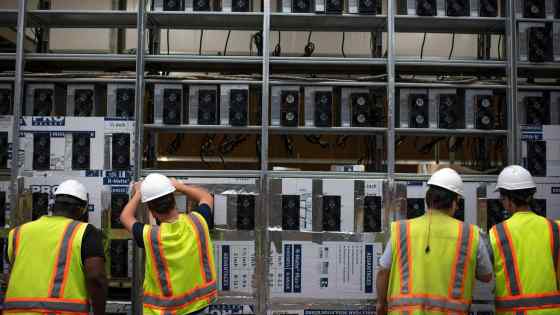




It may produce some of the world’s most popular electronics (like the iPhone), but Foxconn International (FIH) appears to be losing yet more friends on the markets. On Thursday the stock took another leg down, falling as much as 6 per cent. The reason? Bigger than expected losses – thanks mainly to rising wages.
Foxconn International needs to change. The good news is that the shake-up is already well underway. The bad news is that it’s taking too long.
Like Li & Fung, FIH has been a major beneficiary of the the ‘Made in China’ model – built on producing goods for export with low-cost labour. But also like Li & Fung, it needs to adapt if it is to survive in the new reality created by higher wages for Chinese workers.
Last year, the company was hit by a spate of worker suicides at its vast Shenzhen complex – home to hundreds of thousands of employees sleeping, working, shopping, eating, in what was effectively a Foxconn-built city. The company responded by announcing wage hikes and an end to the factory-town model. Both of those moves have squeezed the company’s narrow margins. Rising commodity prices have done the same.
One of Foxconn International’s problems is that it can’t do much to raise the fees it charges clients. The bulk of its goods are produced for export – so rising wages at home have little bearing on clients’ ability to stomach higher prices.
Also, though Apple is the most high-profile Foxconn International client, Nokia and Motorola are more important. Apple may be flying, but Nokia and Motorola are both in difficult transition periods. FIH’s parent, Taiwan-listed Hon Hai, has far higher exposure to Apple. Its shares, though still down in recent months, have outperformed those of FIH considerably.
Foxconn bosses saw this coming. FIH was a trailblazer in some respects – beginning the process of moving inland years ago, as wages in southern and coastal China began to go up. The company is currently building huge new plants in Sichuan and Henan, where labour should be significantly cheaper. Those same plans would see Shenzhen turn into an ‘engineering hub’, rather than a production base.
Automation would also help. Replacing workers with expensive robots may hurt margins in the short term but could help reduce longer-term operating costs. Many China-based manufacturers have been moving to more automation since wages started going up.
But investor patience is clearly running out. Foxconn International shares (listed in Hong Kong) are down over 16 per cent this month and almost 60 per cent since the start of 2010. The company admitted on Wednesday night that it needed to take “decisive actions” to get back into profit. Whatever it has in mind, it should hurry up.
Related reading:
China: the end of cheap?, beyondbrics
Foxconn – In depth, FT
Foxconn to move China jobs inland, FT
Chinese labour gets the Willy Wonka treatment, beyondbrics


Stefan Wagstyl
Josh Noble
Rob Minto
Pan Kwan Yuk
Jonathan Wheatley