

By Iona Stevens and Joe Leahy in São Paulo
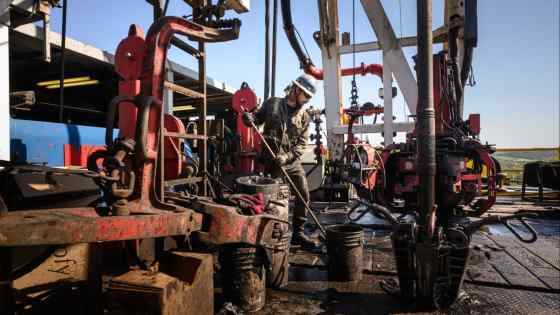
Brazil’s indomitable finance minister Guido Mantega has repeatedly declared in recent weeks that state oil company Petrobras will not increase fuel prices, even when the price per barrel of crude steadily climbed over the $100 mark on uncertainty in the Middle East. Petrobras, meanwhile, has stubbornly insisted that if crude prices stay high for an extended period, it will have to increase pump prices.
Now, the verbal sparring match between minister and oil major seems to be over. Mr Mantega has conceded in recent days that Petrobras might have to introduce its first fuel price increase since 2009. The minister is finally learning that when crude prices go up, retail pump prices must go up too.
The reason for Mr Mantega’s reluctance to bend to the laws of economics on this issue is clear. Any such increase will be like throwing fuel on the fire of inflation – the central preoccupation of his boss, President Dilma Rousseff and the rest of her economic team. The president of the central bank, Alexandre Tombini, admitted this week that inflation would exceed the central bank’s target this year of 4.5 per cent plus or minus 2 percentage points. It will only converge back to target in 2012. Higher petrol prices will only make it harder to get inflation back into its box.
But the minister is not giving up completely. To reduce the inflationary impact of a price increase, he has proposed cutting one of the government’s levies on fuel, the CIDE tax (long-suffering consumers sick of Brazil’s high taxes wonder why he could not do this anyway).
He has also begun looking for someone else to blame. Ethanol prices are usually the highest in April, a month that falls between sugarcane harvests. This “in-between harvests” period ends in May. Then ethanol prices should drop, thus neutralising the rise in oil prices, says Mr Mantega.
However, with the problem showing early signs of persisting into May, Mr Mantega in Congress this week accused Saint Peter of complicity in the problem, according to Bloomberg. Apparently the saint, who is often associated with rainfall in Brazil, has been dumping too much of the stuff on Brazil’s sugarcane fields, delaying harvest and causing the ethanol price to increase.
Say your prayers for Brazil – it seems that stopping inflation is now truly down to the gods, or in this case, the saints.
Further reading:
Brazil inflation file, beyondbrics
Brazil file, beyondbrics


Stefan Wagstyl
Josh Noble
Rob Minto
Pan Kwan Yuk
Jonathan Wheatley