Soaring energy prices are driving Russia’s oil output to record highs. But how long can the world’s biggest oil producer keep it up?
Not very long, according to industry analysts, unless the government reforms the tax system to encourage investment at oilfields.
Russia produced 10.27m barrels a day of oil in August hitting a new post Soviet high. Output for the full year is now expected to edge close to 10.3m barrels a day – up from 10.1m b/d in 2010.
Almost all Russia’s big oil companies showed small production gains in data published by the energy ministry on Friday. An exception was Lukoil which saw output continuing to fall as output dwindled at its mature west Siberian fields.
Analysts have warned that unless Russia reforms taxation to encourage investment other producers will soon share Lukoil’s fate.
Russia needs “to balance the need for higher tax revenues with the imperative to sustain investment in oil fields,” to avert an imminent decline in production, the International Energy Agency warned in its latest monthly oil report.
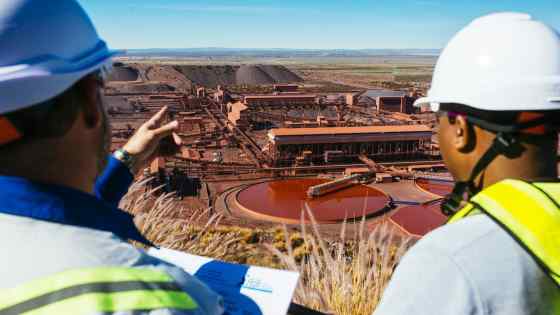
Most of Russia’s oil production comes from so-called “brown fields” where output is scarcely growing and will soon sink into decline. If the industry is to succeed investors must push out into remote new “green fields” far from existing infrastructure where reserves, although attractive, are expensive to develop.
Traditionally the government has offered tax privileges to favored companies to encourage investment in risky projects. However, the patronage system has begun to break down as the finance ministry grapples to reduce the budget deficit.
Rosneft, which was earlier exempted from paying oil export duties at Vankor, the flagship oil project in east Siberia, was told this year it would have to pay the duty unless oil prices fell below $90 per barrel.
So far Rosneft, Russia’s biggest producer 2.4m barrels a day of output, has not revised downwards its production plans. But it has enlisted the support of ExxonMobil, its new strategic partner, to lobby for tax reform. The two companies have submitted a list of tax proposals to the government that would help their Arctic exploration venture to fly.
Rosneft says the government understands the need for tax reform but there are questions about how far officials will go to compromise with the industry.
Producers hope Russia will follow the example set by Brazil which has stimulated investment in risky, deep water oil projects by delaying taxation until the fields become profitable.
That might be a tall order in a country that traditionally sees the oil industry as a cash cow. But there is a risk that if the government does not move fast producers will start diverting investment outside Russia. Lukoil has already built up a sizeable overseas portfolio and expects to source more than one fifth of its oil production from non-Russian fields by 2020.
Rosneft was rejoicing this week over Exxon’s offer to share oil fields in the North America and other countries that will allow it to globalise and diversify outside Russia.
Related reading:
Oil price: no panacea for Russia, beyondbrics
From Russia, with risk, FT
Russia unable to shake off energy dependence, FT
Russian oil & gas: tinkering with tax is no solution, beyondbrics
Privatising Russia, FT


Stefan Wagstyl
Josh Noble
Rob Minto
Pan Kwan Yuk
Jonathan Wheatley