
As the Japan earthquake and tsunami showed, supply chain disruptions could come in all shapes and sizes. Here’s a new risk for the technology industry: China is getting serious about tightening its environmental regulations.
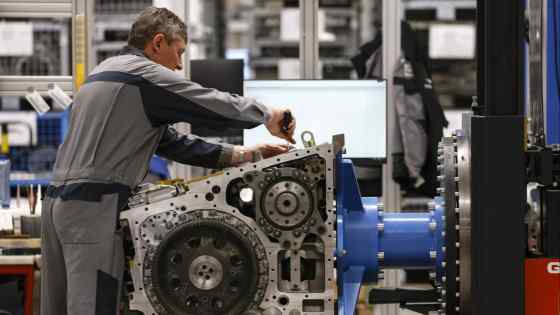
In an emergency announcement on Sunday night, Taiwan’s Catcher Technology (2474:TAI), one of the world’s biggest makers of metal casings for notebook PCs, said it had been ordered to close part of its plant in China’s eastern city of Suzhou by regulators, after local residents complained of bad odours generated by the plant.
Few outside of the technology industry will have heard of Catcher, but many consumers globally will be familiar with the sleek, uni-body casing of Apple’s Macbook Air and Macbook Pro laptops – both made by Catcher, according to analysts.
Acer’s new ultrabooks, as well as commercial notebooks made by Dell, Lenovo and Sony, all also use Catcher’s casings.
Catcher said the shutdown will impact October sales by a fifth, assuming plant improvement works are completed and approved by regulators by the end of the month. The company had sales of T$21.8bn ($725m) last year, with analysts expecting an increase to T$37.1bn this year. Its stock fell by nearly the daily limit of 7 per cent on Monday.
Jenny Lai, head of Taiwan research at HSBC, said the shutdown means that “even assuming its competition can somehow make up for the supply shortfall with additional output while Catcher’s production is disrupted, we believe the news is generally bad for the overall [PC] sector.”
It is not the first time that the technology supply chain’s environmental record, particularly in China, has come under attack. In August, Chinese environmental groups published an extensive report accusing Apple suppliers in the country of systemic pollution, while Apple’s own 2010 audit found that 80 facilities were not storing or handling hazardous chemicals properly.
Catcher was not named in the August report, nor Apple’s 2010 audit, and the company said its processes and materials were developed over decades and have no health impact.
The plant shutdown, however, shows the Chinese government – or at least some local authorities – adopting a new, more proactive approach towards environmental complaints. If that extends more broadly across the country, it could spell further shutdowns and potential supply disruptions – hardly what the industry needs.
Related reading:
Chinese electronics makers fail to keep it clean, FT
Apple attacked over pollution in China, FT


Stefan Wagstyl
Josh Noble
Rob Minto
Pan Kwan Yuk
Jonathan Wheatley