Is Hong Kong losing its allure as a launching pad for foreign brands looking to tap into the Chinese market?
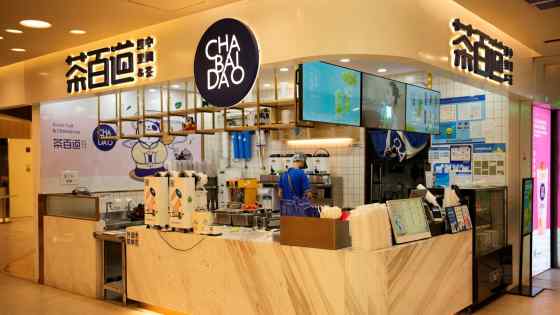
The decision by Gap to set up shops in Shanghai and Beijing in 2010 before making its debut in Hong Kong last week certainly seems to suggest that some foreign businesses have no qualms about bypassing Hong Kong and taking a more direct route into the mainland’s estimated $2,100bn retail market.
Gap is following in the footsteps of brands such as Uniqlo, its Japanese rival owned by Fast Retailing, which opened in Shanghai in 2002, three years before it launched in Hong Kong. It is now a ubiquitous presence in all major Chinese cities and it is planning to open 100 new stores per year in the country, where same-store sales are expected to remain above 10 per cent in the next fiscal year.
There are obvious reasons why brands would jump straight into the mainland. Apart from the sheer size of the market, mainland China’s top cities increasingly offer high-quality shopping centres and department stores where western brands feel at home.
Meanwhile, the cost of doing business in Hong Kong could be prohibitive. Retail rent is now the second-highest in the world and fast-approaching levels charged on Fifth Avenue.
Prime shop space is also a rare commodity in the densely packed city, especially in Central, the main business district.
“China is the second-largest apparels market in the world after the US. We did lots of consumer research and we made a very decisive move into China and set up the [country] head office in Shanghai,” says Stephen Sunnucks, head of Gap’s international operations.
So is Hong Kong fast losing its edge? Not so fast.
Last year, 23m mainland Chinese tourists came here, mainly to shop, and that figure is likely to have gone up by around 25 per cent this year, according to the local tourism board. As long as the mainland’s hefty luxury goods tax and import tariffs remain, its wealthier residents will still prefer to shop in Hong Kong, where the same luxury items can be up to 40 per cent cheaper.
As a result, jewellers could see roughly 10 times more trade per square foot in Hong Kong than in their mainland Chinese stores, says Natalie Longuet, researcher at Lombard Odier, the Swiss private bank. That makes the high rent worth it.
A high profile among Hong Kong people is also important for brands eager to tap the local stock market for capital, or if they want to partner with one of the city’s many well-established distributors with retail networks across mainland China, analysts say.
Take L’Occitane for example. The French cosmetics brand, which made history by being the first western retail brand to list in Hong Kong, makes around 10 per cent of its sales in the city, compared with 5 per cent in mainland China.
As Abercrombie & Fitch, Forever 21 and a other brands prepare their launch in Hong Kong this winter, it seems that the city is still very much the shoppers’ paradise that is is known for.
Related reading:
China: making Gap sexier, beyondbrics
Guest post: the state of Hong Kong property, beyondbrics
S Korea luxury: beyond the obvious, beyondbrics


Stefan Wagstyl
Josh Noble
Rob Minto
Pan Kwan Yuk
Jonathan Wheatley