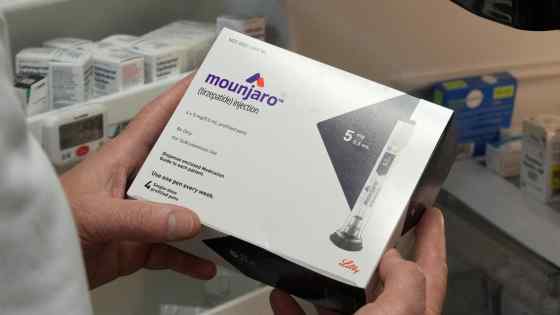


Wednesday should have been a great day for India’s largest pharmaceutical company, Ranbaxy Laboratories. After all, it is one of two companies that, come Thursday, will be allowed to sell a generic version of Lipitor, Pfizer’s blockbuster anti-cholesterol drug.
Instead, shares in Ranbaxy, which had global sales of nearly $1.9bn last year, fell 3.88 per cent on news that the FDA had yet to award the company approval to market Lipitor, the best-selling drug in the pharma industry’s history, in the US.
Analysts told beyondbrics there was no guarantee that Ranbaxy (RANBAXY:NSI) would receive the approvals by Thursday – there have been unverified reports that the company must first clear FDA penalties worth $350m-$400m over violations at a plant in India.
“There are people who strongly believe that Ranbaxy is going to take advantage of their exclusivity in one form or another and there are other people who think it’s pretty late now,” said Bino Pathiparampil, pharma analyst at India Infoline. But, he added: “I don’t think Ranbaxy would be as much in the dark as we are.”
“So if the FDA is going to allow them to [market the drug],” he added, “then probably the company already knows that and is prepared.”
US sales of the drug, which Ranbaxy already markets in other countries, are likely to generate $500m to $600m in sales for the company in the first six months, after which other players are allowed to enter with generic versions. This year, the company is expected to have sales of around $1.7bn.
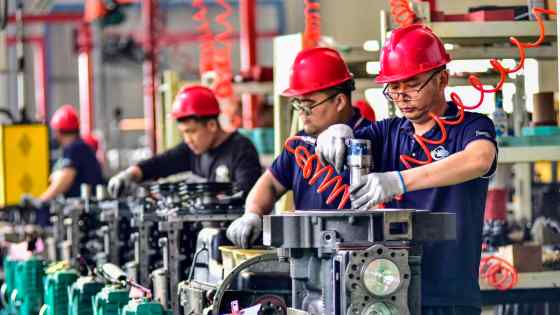
The drug is likely to sell at a 30 to 50 per cent discount from Lipitor – which has produced sales of as much as $12bn a year for Pfizer – and be produced at Ranbaxy’s plant in Mohali, in the Western state of Punjab, which the FDA was inspecting as recently as July.
The other company that will be allowed to launch the generic version Thursday is Pfizer’s generic partner, Watson Pharmaceuticals, which has FDA-approval to market the drug in the US and could easily take Ranbaxy’s market share.
Indian markets will find out Wednesday night, because of the time difference, whether Ranbaxy got its approvals; analysts expect the stock to move 5 to 10 per cent in either direction on the news.
Daichii Sainko bought a 50.1 per cent stake in Ranbaxy for $4.6bn in 2008. The company was incorporated in 1961.
Related reading:
India’s Religare: navigating the storms, beyondbrics
Ranbaxy: is India’s pharma trailblazer running out of steam? beyondbrics
India v China: a new race in biopharmaceuticals, beyondbrics


Stefan Wagstyl
Josh Noble
Rob Minto
Pan Kwan Yuk
Jonathan Wheatley