Let’s not throw the baby out with the bath water. Critics of the Bric concept have marked its 10th anniversary with suggestions that its time has passed or even that it should never have been invented.
This goes too far. While Brazil, Russia, India and China are as much divided as united they do have common interests – and these interests are political as well as economic.
The argument isn’t easy to make when Jim O’Neill of Goldman Sachs, the inventor of the Bric acronym, has himself distanced himself from the concept. He says that growth markets is a better label for emerging markets, as it’s more inclusive of other dynamic economies. His 10th anniversary book is pointedly called The Growth Map.
Meanwhile, Philip Stephens, my FT colleague, wrote recently that even though the Brics represent a potent economic force their role in politics is minimal. “It’s time to say farewell to the Brics,” he says.
Not so fast. First, the Bric label continues to play a big economic role. It focuses attention in the developed world on the emerging markets. It reminds us that the EM story isn’t only about China.
This has had practical results in the creation of Bric investment funds, Bric strategies at multinationals and Bric-oriented academic research.
Bric critics might say that’s all fine, but what about the politics?
Well, it’s true that the Brics have serious differences. China and India have fought a war in living memory on their disputed Himalayan border. India is more afraid of China than of any other state, including Pakistan.
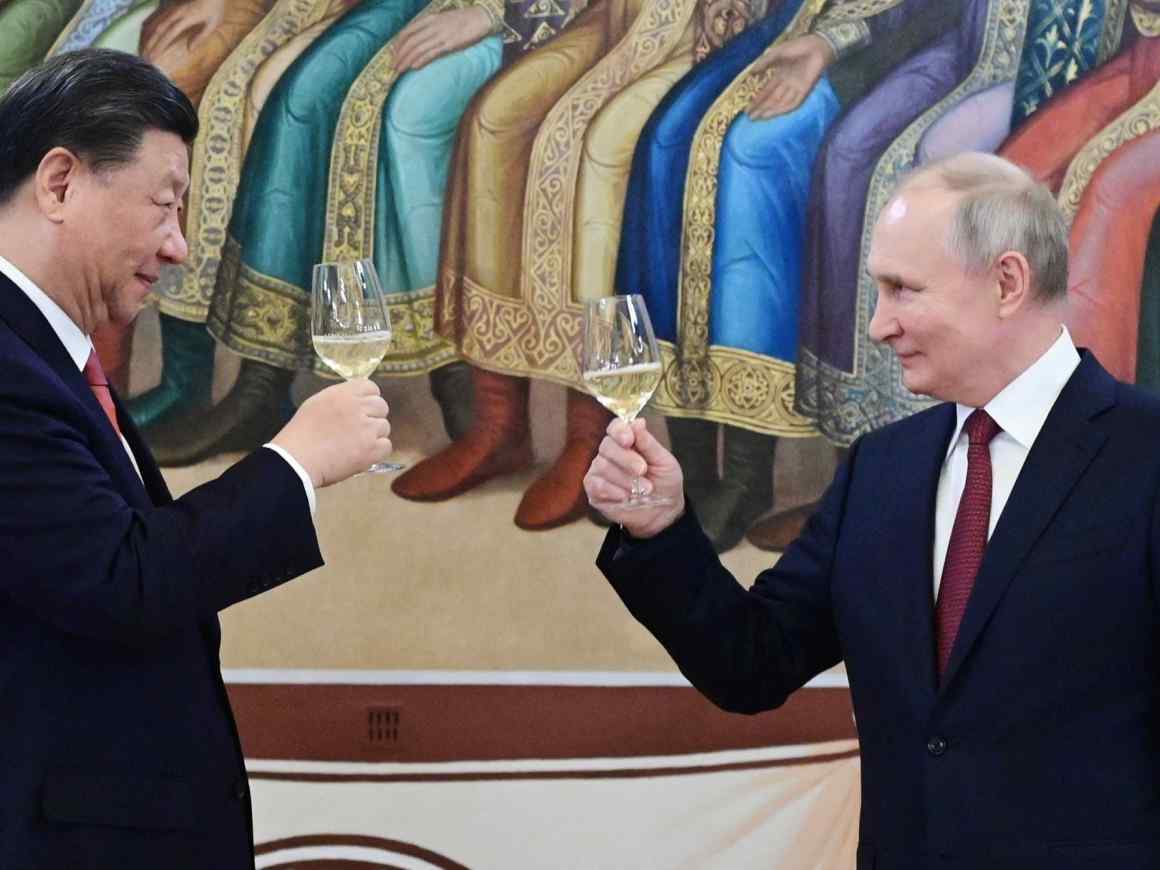
Russia and China have settled their border disputes. But Russia is concerned about Chinese influence in resource-rich Siberia.
China and Brazil have strong economic ties but still compete eg for mineral rights in Africa.
For all the Brics, their bilateral relations with western countries and Japan are more significant than their collective ties as the Brics.
But that doesn’t make the Bric idea politically pointless. It’s a useful forum for discussions about the global financial crisis, currencies, sovereign wealth fund co-ordination, and multilateral economic institutions headed by the IMF. In all these fields, the Brics deserve a bigger voice. Clubbing together is one way of making it heard.
It’s true the Brics failed to present a common front in the recent contest to choose a new managing director for the IMF. Agustin Carstens, the Mexican central bank governor and the best candidate from the emerging world, did not win anything approaching widespread backing from the Brics or the wider EM community.
But these are early days. Emerging economic powers often take decades to develop political influence. Established powers are adept in defending their privileges – as the European states do at the IMF.
As beyondbrics reported last week, 2011 is set to be a record year for media references to Brics, as measured by Factiva. Of course, the 10-year anniversary helps. But so does the Brics’ role in the global financial crisis – and in possible solutions.
The Brics should persevere. The development of political influence can be pursued by many routes simultaneously, as the Europeans did for decades in everything from trade to science and religion.
Bric summits are no substitute for an effective role in established international organisations from the UN down.
But they a good supplement. In any case, if we lost the Brics what would happen to beyondbrics? Beyondgrowthmarkets would hardly be be the same.
Further reading
Brics at 10


Stefan Wagstyl
Josh Noble
Rob Minto
Pan Kwan Yuk
Jonathan Wheatley