
12 for 2012: oil price fall will squeeze producers’ budget plans

This is the last in our series of guest posts – 12 for 2012 – looking at issues facing emerging markets in the new year.

By Chris Garman and Robert Johnston of Eurasia Group

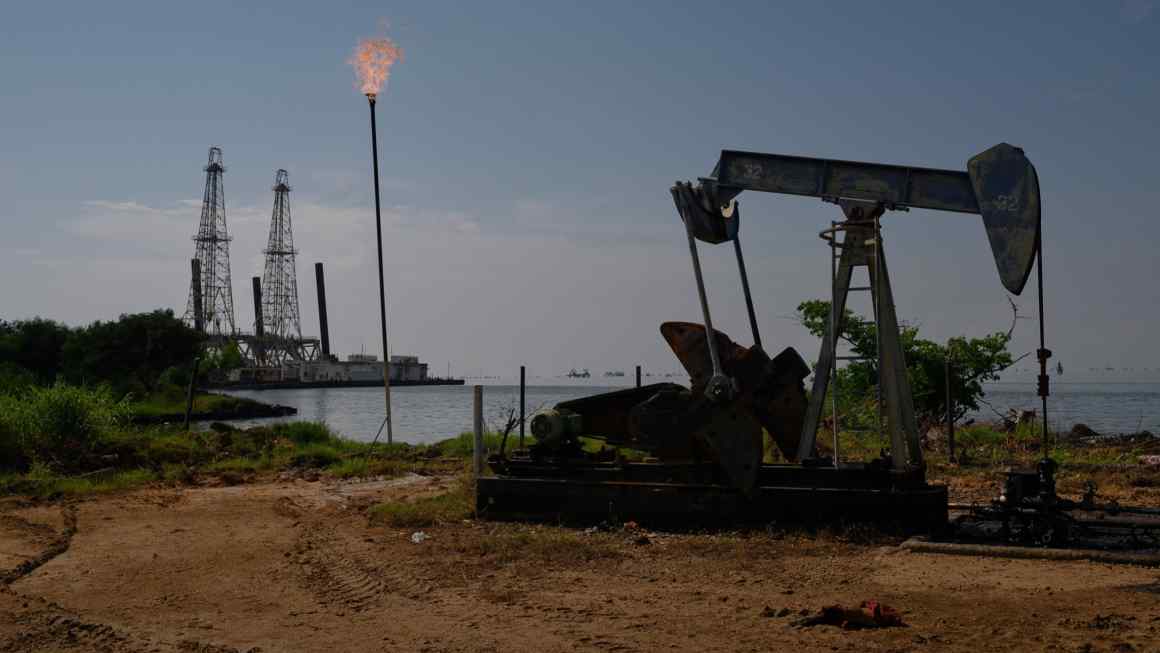
After a spike driven by Middle East politics throughout most of 2011,  oil prices softened as the year came to an end.  Should this trend continue into 2012, several major oil-exporting countries that have gone on spending binges since the 2008/09 crisis will be put into a more vulnerable fiscal position.

A drop in oil prices from the current level of around $113 a barrel to, say, below $85 (Brent pricing) would likely shift policy-making in these countries in more unpredictable directions, both positive and negative, as governments would be forced to turn to other sources of revenue.

Markets are shifting their focus from this year’s decline in OPEC production due to the Libyan conflict – to increases in output as Libya comes back on stream and Iraqi production grows in 2012.

The most likely outcome is an increase in OPEC’s supply cushion as Saudi Arabia reduces its output to account for increased Libyan and Iraqi production. The demand picture remains tepid at best, with healthy Asian demand offset in large part by dismal demand in North America and Europe. And higher OPEC spare capacity has been correlated with lower and more stable oil prices in recent years.

Countries including Russia, Nigeria, Venezuela, and most importantly, Saudi Arabia, have recently ratcheted up the oil price assumptions that are used in national budgets.  The shift toward higher assumptions has been driven by recent high prices, but more importantly, by growing spending needs.

In Saudi Arabia, the government is now believed to have an oil price assumption of $85-90 per barrel on the back of major new spending commitments announced during the peak of the regional “Arab Spring” political unrest earlier this year. This shift in the Saudi fiscal outlook will likely help establish a floor under oil prices in that $85-90 per barrel range. The market assumption is that the Saudis will manage production to prevent prices falling below that level.

In Russia, the Kremlin is using a price assumption for Urals oil at $100 per barrel for the next three years. This stands in sharp contrast to the $78 per barrel assumption used in the 2010 budget. Even with this aggressive assumption, the Russian budget will remain in deficit and the Finance Ministry will have to turn to privatisation and capital markets to fund the shortfall. Even though prime minister Vladimir Putin is headed to an election victory this March, he will reassume the presidency with lower popular support and on the defensive. Rather than engage in a new round of much-needed reforms, Putin will probably respond with a further ramp-up of spending. Clearly, in a lower oil price scenario the Russian fiscal picture becomes even more precarious.

A similar, but much more acute, storyline holds in Venezuela where President Hugo Chavez enters 2012 facing a difficult bid for re-election. His government has begun a spending binge to prop up approval ratings which now hover at around 50 per cent. If Chavez’s health holds, he should be able to win re-election in October. But a lower oil-price environment certainly means post-election fiscal concerns will loom large in the eyes of investors.

In the Nigerian budget announced last week, the 2012 plan targets $70 per barrel, a more conservative target than other oil-producing countries. The budget does appear more credible given the conservative price assumption and accompanying steps toward fiscal consolidation through reduction of fuel subsidies. The risk in Nigeria is more linked to downside scenarios in oil production, not price. The violence in the Niger Delta over the past decade has led to long periods of shut-in production, but the MEND militia group has been quiet in recent months.

Mexico, meanwhile, stands as a country where lower oil prices could prove an impetus for much-needed reform. Opposition candidate Enrique Pena Nieto from the PRI looks likely to win the July 2012 presidential election. Even though he is unlikely to open the country’s energy sector, his administration will push for a new round of fiscal, energy and competition reforms. A lower oil price environment in 2012 would certainly instill a greater sense of urgency within Pena’s camp over the need to do so.

Brazil is increasingly viewed as petro-dollar states as their oil production grows – the country will, along with Canada, be the two largest sources of non-OPEC production growth over the next five years according to the IEA.

A lower oil price environment is unlikely to materially impact Brazilian politics given the government’s low dependence on oil for its revenue, but it does exacerbate challenges to develop its vast new reserves. The government needs to roll out its new oil framework which is heavily dependent on Petrobras, the state-controlled oil group, and, at the margin, lower oil prices does reduce the financial leeway for the company to fund its very ambitious capex program.

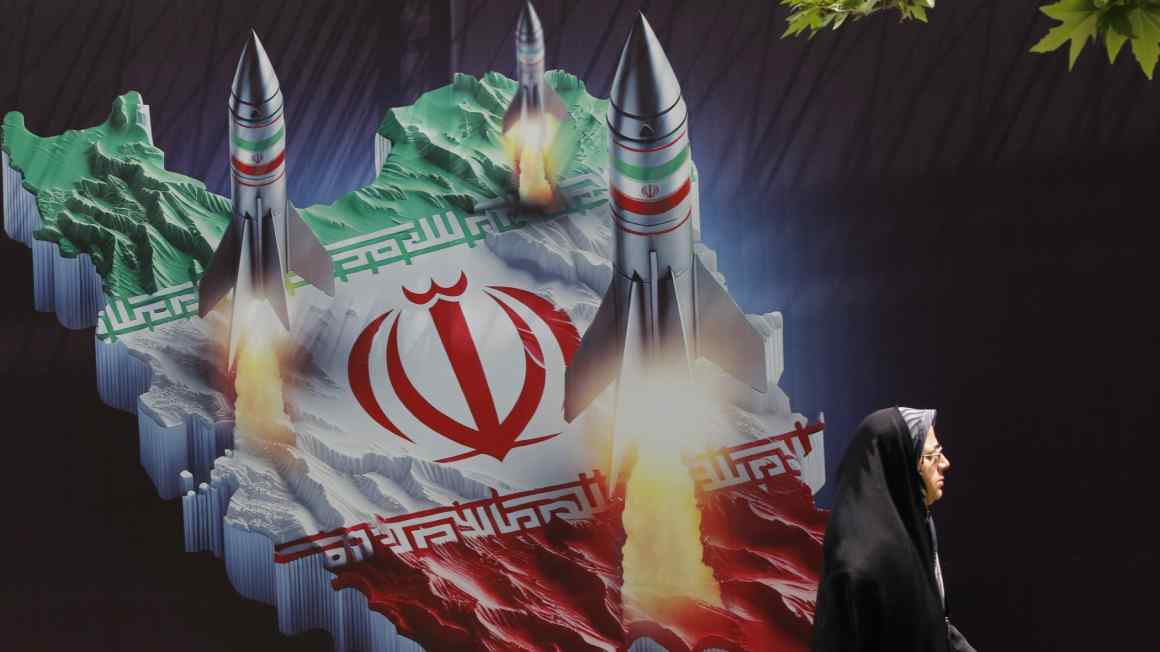
Of course, oil markets remain vulnerable and there is case for expecting higher prices as well as lower. The most likely scenario for higher prices would be a return in the market to a focus on geopolitics, particularly around Iran. Market concerns about Iranian production disruptions due to sanctions, potential military conflict over the Iranian nuclear program, and the proxy conflict with Saudi Arabia have crept back into oil prices in recent months.  Without further escalation along these lines however, major oil producers will likely be dealing with lower prices and tighter budgets in 2012.

Robert Johnston is director of global energy and natural resources at Eurasia Group; Christopher Garman is director of Latin America and emerging market strategy at Eurasia Group.

Related reading:
Series: 12 for 2012
Cuba and China at odds… over shale gas, beyondbrics
Oil price climbs amid Iranian threat , FT
Oil bulls have reason to think high prices may get higher, FT

Global equities macromap

Number of the day

240p The new offer for Cove Energy shares from PTT, trumping the bid from Shell.

beyondbrics

The emerging markets hub

About this blog Headlines email Blog guide
News and comment from more than 40 emerging economies, headed by Brazil, Russia, India and China.


'Like' our beyondbrics Facebook page, where we showcase a top story of the day
Sign up for our news headlines and markets snaphot service. We have two emails per day - London and New York headlines (sent at approx 6am and 12pm GMT).

To comment, please register for free with FT.com and read our policy on submitting comments.

There is an overall beyondbrics RSS feed, as well as feeds for all our countries, tags and authors. Learn more in our full RSS guide.

All posts are published in UK time.

Get in touch with us - your comments, advice and even complaints. Find out how to contact the team.

See the full list of FT blogs.

BB shortcuts

Regulars Series Archive
Chart of the week
Behind the numbers

Fund flows
Tracking money in and out of EM bonds
12 for 2012
Guest posts on key trends for the year ahead

Brics at 10
A decade of growth
The Diaspora Digest
EM diasporas, seen through their community media (Oct-Nov 2011)
Sick brics (Sep 2011)
Brics and mortar (Aug 2011)
Beyondbrics on the beach (Jul-Aug 2011)
China bubble? (June 2011)
Post-election Nigeria (June 2011)
Hey bric spender (Aug 2010)

Emerging markets data

Archive

« Dec Feb »January 2012
M T W T F S S
 1
2345678
9101112131415
16171819202122
23242526272829
3031  

What we are writing about

Apple banking bonds Brazil economy Brics CEE China economy consumer corruption currencies currency war debt energy equities eurozone crisis exports FDI food & drink guest post Hugo Chávez IMF India economy inflation interest rates internet investment IPOs M&A manufacturing mining monetary policy oil & gas politics Repsol retail Russian elections Russian politics tax technology telecoms trade vehicles video World Bank YPF