Turkey: (new) home of the bear?

Talking up your home market might seem like an obvious trap for analysts to fall into – but not, apparently, if you are Turkish.

Is this because Turks are natural bears – or is there something about the economy that is hard to predict?

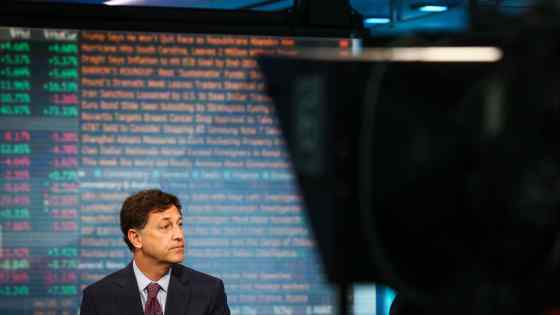
According to research by Renaissance Capital, the difference in Turkish GDP forecasts for Turkish and non-Turkish economists is around 1.5 percentage points. Compared to Russian economists, who are also a bit more bearish than internationals, and the bullish Chinese and Indians, Turkish forecasts look positively pessimistic.

So What’s behind the discrepancy? Well, the RenCap analyst, Mert Yildiz – who is Turkish – points to factors such as Turkey’s low ranking in the world happiness index, the cultural prevelence of huzun (gloom), and the frequent use of minor chord progressions in Turkish music.

So far, so sad. But actually, there are economic reasons too. Turkish growth is more volatile – with a standard deviation of over five for the period 2000-11, compared to China’s standard deviation of under two. In layman terms: Turkey has swung rapidly from recession to growth, with -6 to +9 per cent GDP growth recorded over the last decade, whereas China has had a much steadier path.

Source: Google, World Bank


Yildiz also suggests that Turkish economists are largely liberal-minded and therefore have an inherent bias against the AKP, the ruling party, presumably hoping that slower growth will lead to political change.

Speaking to beyondbrics, Yildiz said that he expected “a little push back on that”. But he stuck by his thesis that nationality affects outlook. “As analysts, we all try to be unbiased, but it is hard sometimes not to be affected by sentiment.”

But beware – there is an element of guesswork involved in the research: “Despite our efforts, the best gauge of our assessment on local vs foreign economists are their names”. While Turkish names are relatively easy to identify, as Yildiz admits it’s harder to ascertain nationality in places such as India.

This writer’s name has prompted suggestions of nationalities including Italian, Portuguese and even Indian. It’s Scottish.

Related reading:
Analysts pick stocks with greater accuracy
, FT
Too bullish, too bearish, whatever…,
FT Alphaville
In depth: Financial Times/StarMine Analyst Awards

Global equities macromap

Number of the day

240p The new offer for Cove Energy shares from PTT, trumping the bid from Shell.

beyondbrics

The emerging markets hub

About this blog Headlines email Blog guide
News and comment from more than 40 emerging economies, headed by Brazil, Russia, India and China.


'Like' our beyondbrics Facebook page, where we showcase a top story of the day
Sign up for our news headlines and markets snaphot service. We have two emails per day - London and New York headlines (sent at approx 6am and 12pm GMT).

To comment, please register for free with FT.com and read our policy on submitting comments.

There is an overall beyondbrics RSS feed, as well as feeds for all our countries, tags and authors. Learn more in our full RSS guide.

All posts are published in UK time.

Get in touch with us - your comments, advice and even complaints. Find out how to contact the team.

See the full list of FT blogs.

BB shortcuts

Regulars Series Archive
Chart of the week
Behind the numbers

Fund flows
Tracking money in and out of EM bonds
12 for 2012
Guest posts on key trends for the year ahead

Brics at 10
A decade of growth
The Diaspora Digest
EM diasporas, seen through their community media (Oct-Nov 2011)
Sick brics (Sep 2011)
Brics and mortar (Aug 2011)
Beyondbrics on the beach (Jul-Aug 2011)
China bubble? (June 2011)
Post-election Nigeria (June 2011)
Hey bric spender (Aug 2010)

Emerging markets data

Archive

« Jan Mar »February 2012
M T W T F S S
 12345
6789101112
13141516171819
20212223242526
272829  

What we are writing about

banking bonds Brazil economy Brics CEE China economy consumer corruption currencies currency war debt energy equities eurozone crisis exports FDI food & drink guest post Hugo Chávez IMF India economy inflation interest rates internet investment IPOs M&A manufacturing mining monetary policy oil & gas PMI politics Repsol retail Russian elections Russian politics tax technology telecoms trade vehicles video World Bank YPF