Turkey turns to coal and nuclear power

Much of Europe may be moving towards cleaner power but in Turkey it is a different story.

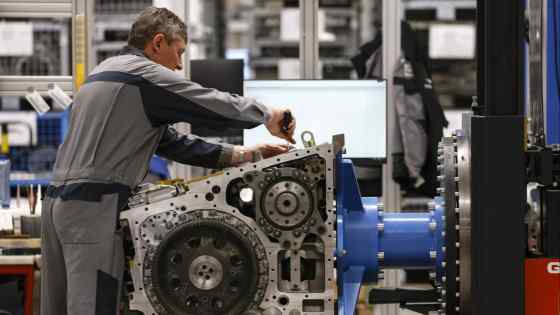
EUAS, the country’s state-owned electricity company, was due on Monday to sign a memorandum of understanding with two South Korean groups on a $2bn coal fired power plant. It is also moving ahead with plans for two nuclear plants.

The government says that by 2023 it wants to reduce the percentage of electricity generated by gas from 50 per cent to 30 per cent.

That contrasts with a new study showing that 71 per cent of new power generating capacity in the European Union last year came from renewable energy sources.

For economic and diplomatic reasons, Ankara is keen to cut its dependence on gas imports from Russia and Iran and to boost its – hitherto insufficient – domestic energy production. About three quarters of the country’s energy comes from abroad.

Turkey has had price disputes with both Moscow and Tehran, its two biggest gas suppliers. Such considerations are particularly important when you have a current account deficit of $77bn and an energy import bill of more than $40bn.

Having broken off one contract last year with Russia, by far Turkey’s biggest gas supplier, Ankara recently announced it was taking Iran to arbitration over the prices it charges.

Announcing the plan to reduce the share of gas in Turkey’s mix to 30 per cent, Taner Yildiz, energy minister, said at the weekend that the government would provide incentives for coal-based projects and impose limits on natural gas projects.

The memorandum of understanding – which Yonhap News agency said would be between EUAS and SK E&C and Korea South-East Power – fits into that plan and was timed to coincide with President Lee Myung-bak’s current trip to Turkey.

(Lee has other energy imperatives of his own during his trip to the region; he will later visit Saudi Arabia, Qatar and the United Arab Emirates as discussions intensify about alternatives to Iranian oil.)

Meanwhile, Turkey’s efforts to reduce its energy dependence also continue, with plans to build two nuclear power plants. One will be built by a Russian consortium on the Mediterranean coast.  Lee agreed to revive talks on South Korea involvement in the second.

Related reading:
Russian gas: under pressure, beyondbrics
Turkish inflation: at mercy of the lira, beyondbrics
Turkey’s bank weighs in to defend currency, FT

Global equities macromap

Number of the day

240p The new offer for Cove Energy shares from PTT, trumping the bid from Shell.

beyondbrics

The emerging markets hub

About this blog Headlines email Blog guide
News and comment from more than 40 emerging economies, headed by Brazil, Russia, India and China.


'Like' our beyondbrics Facebook page, where we showcase a top story of the day
Sign up for our news headlines and markets snaphot service. We have two emails per day - London and New York headlines (sent at approx 6am and 12pm GMT).

To comment, please register for free with FT.com and read our policy on submitting comments.

There is an overall beyondbrics RSS feed, as well as feeds for all our countries, tags and authors. Learn more in our full RSS guide.

All posts are published in UK time.

Get in touch with us - your comments, advice and even complaints. Find out how to contact the team.

See the full list of FT blogs.

BB shortcuts

Regulars Series Archive
Chart of the week
Behind the numbers

Fund flows
Tracking money in and out of EM bonds
12 for 2012
Guest posts on key trends for the year ahead

Brics at 10
A decade of growth
The Diaspora Digest
EM diasporas, seen through their community media (Oct-Nov 2011)
Sick brics (Sep 2011)
Brics and mortar (Aug 2011)
Beyondbrics on the beach (Jul-Aug 2011)
China bubble? (June 2011)
Post-election Nigeria (June 2011)
Hey bric spender (Aug 2010)

Emerging markets data

Archive

« Jan Mar »February 2012
M T W T F S S
 12345
6789101112
13141516171819
20212223242526
272829  

What we are writing about

banking bonds Brazil economy Brics CEE China economy consumer corruption currencies currency war debt energy equities eurozone crisis exports FDI food & drink guest post Hugo Chávez IMF India economy inflation interest rates internet investment IPOs M&A manufacturing mining monetary policy oil & gas PMI politics Repsol retail Russian elections Russian politics tax technology telecoms trade vehicles video World Bank YPF