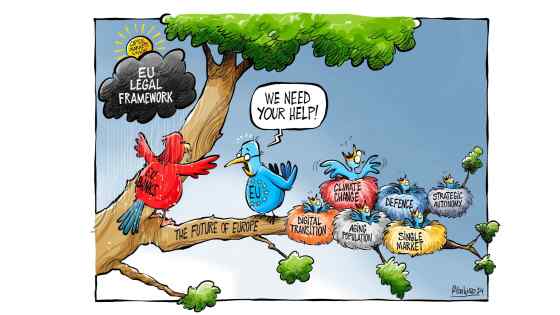



The next summit of European Union leaders is still a month away, but Brussels diplomats are already busy drafting the conclusions of the March Council. Somewhat surprisingly, these over-long and bland documents end up being hotly-contested by ministers and heads of government during the actual meetings. Even more astonishing is the spectacle of spin-doctors earnestly briefing journalists about their government’s triumph in getting a certain word or phrase included in the final text.
In theory, Council conclusions should be significant. They represent, after all, what the 27 heads of government can agree on during one of their four annual get-togethers. But as David Harrison points out in a thoughtful article on the Council’s workings for the Centre for European Reform, the regime is ripe for reform.


Gideon Rachman and his FT colleagues debate international affairs on