



When I started work in Brussels in 2004, fellow journalists warned of the frustrations of covering EU justice ministers’ meetings. They were spot on, because the gatherings often promise much and deliver little. The EU has grandiose plans for an "area of freedom, security and justice." But sensitive initiatives to co-ordinate police and anti-terror work (e.g. cross-border sharing of criminal records) have either taken years to agree or foundered, amid concerns over eroding national powers. Now I wonder whether we are about to see a turning point in EU police co-operation.
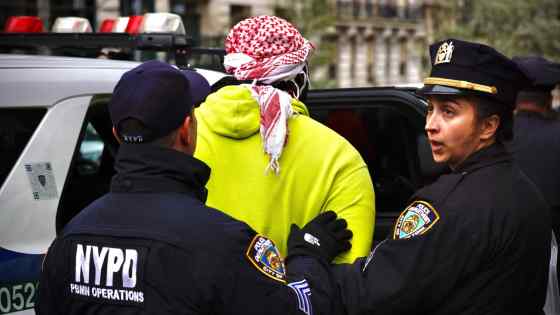
On Thursday in Brussels, ministers discuss plans for "hot pursuit" across most of the EU’s internal borders.
So, instead of screeching to a halt at the border, an Austrian police car could chase suspects into Italy. The move would also allow national police direct access to other member states’ fingerprint, DNA and vehicle registration databases.
If the plan wins political backing (it’s a big "if" with some countries hoping for certain exemptions) it would mark a large advance in cross-border co-operation. Some people see "hot pursuit" and database access as the missing link after member states thrashed out hard-fought deals to share evidence and allow swift extradition of suspects.
But what about civil liberties?


Gideon Rachman and his FT colleagues debate international affairs on