

Van Rompuy-Brit combination would signal EU disunity on Turkey

The sun is shining in Brussels and the sky has an unseasonably blue, cloudless, late-November-in-Rome quality as European Union leaders make their way here for the summit of summits - the event where they will choose the EU’s first full-time president and new foreign policy chief.  I wonder if the weather will be so fine when the leaders finally drag themselves away from the negotiating table after what is shaping up to be a night of relentless hard bargaining.

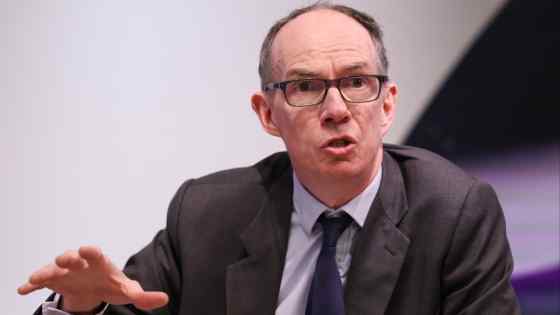
By general consent, the frontrunner is Herman Van Rompuy, the amiable, haiku-writing Belgian prime minister.  Even a speech he gave in 2004 that reveals him to be an implacable opponent of Turkey’s entry into the EU (Turkey has been an official candidate for the past four years) doesn’t seem to be doing Van Rompuy any harm.  Well, why should it?  It fits in perfectly with the views of French President Nicolas Sarkozy and German Chancellor Angela Merkel.

It has been clear for the past week that Merkel and Sarkozy would be perfectly happy to put Van Rompuy in the presidency.  Yes, he is almost unknown outside Belgium.  Yes, it is hard to see President Barack Obama or President Hu Jintao taking him entirely seriously.  Yes, he is no Tony Blair.  But he will be good at building consensus among EU governments.  He will be good at organising the work of the European Council.  And that is what France, Germany and many small EU states want.

The question is whether the UK, seething with fury at Sarkozy’s betrayal of Blair and impatient with Germany and the rest for insisting on a president from a small country, will block Van Rompuy.  If the UK does, a third candidate will get the job – and, frankly, it is anyone’s guess who it will be (except that I cannot imagine it will be Luxembourg’s Jean-Claude Juncker, because the UK and France share a distaste for him).

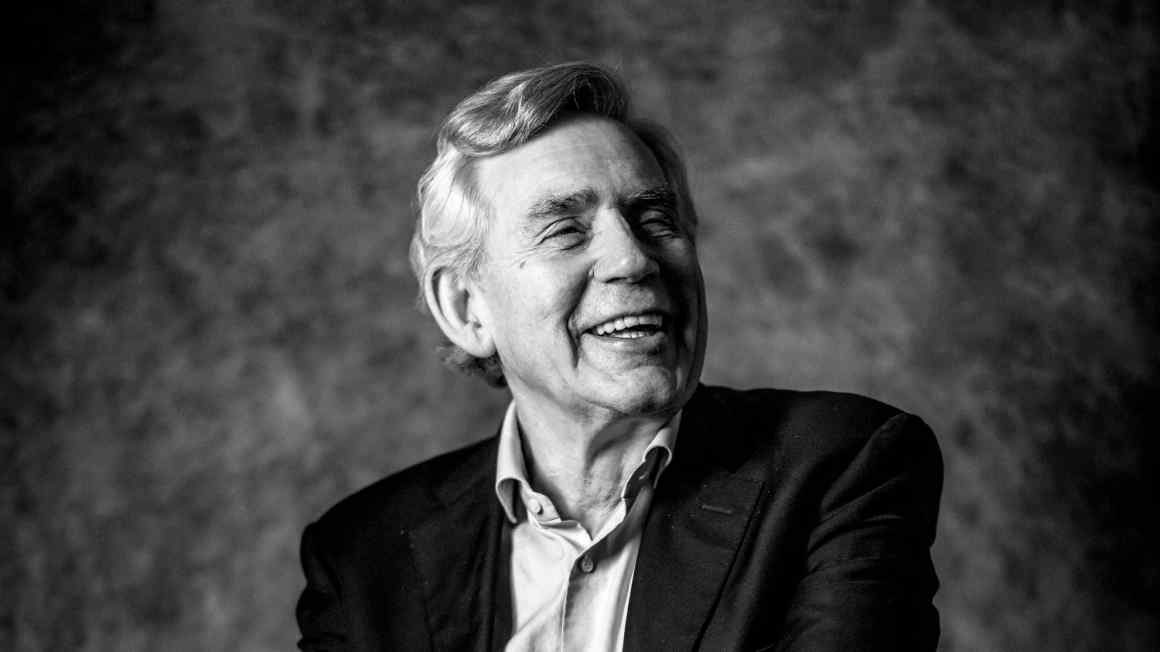
What many countries, including Germany, hope is that Prime Minister Gordon Brown will chill, accept Blair has no chance, and then accept the job of foreign policy high representative for the UK.  It is there for the British if they want it – that seems to be the message from most of Europe.  The obvious choice is Foreign Secretary David Miliband, but lately he’s been ruling himself out.

I’ll tell you what, though.  Miliband and other potential British candidates are all strong advocates of Turkish entry into the EU.  So we could end up with a EU president (Van Rompuy) and a EU foreign policy chief (a Brit) who disagree on a fundamental aspect of the EU’s foreign relations.

What an excellent recipe for a united Europe.

Brussels blog

Notes from the EU

About this blog Blog guide
This blog covers everything from the European Union's foreign and economic policies to the fortunes of its political leaders - as well as the more light-hearted aspects of life in Europe.


To comment, please register for free with FT.com and read our policy on submitting comments.

All posts are published in UK time.

Contact the Brussels blog team: Peter Spiegel, Joshua Chaffin, Alex Barker and Stanley Pignal.

See the full list of FT blogs.

The Brussels blog authors

Peter Spiegel is the FT's Brussels bureau chief. He returned to the FT in August 2010 after spending five years covering foreign policy and national security issues from Washington for the Wall Street Journal and the Los Angeles Times, focusing on the wars in Iraq and Afghanistan. He first joined the FT in 1999 covering business regulation and corporate crime in its Washington bureau, before spending four years covering military affairs and the defence industry in London and Washington.

Joshua Chaffin is one of the FT's EU correspondents, covering areas including policies on trade, the environment and energy. He has worked in the FT's Brussels bureau since late 2008 and before that was an FT correspondent in New York and Washington DC.

Alex Barker is EU correspondent, covering the single market, financial regulation and competition. He was formerly an FT political correspondent in the UK and joined the FT in 2005.

Stanley Pignal is Brussels correspondent for the Financial Times, covering EU justice, home affairs, social developments, telecoms and the Benelux region. He joined the bureau in January 2009, having previously worked for the FT as a corporate reporter in London.

FT blog: The World

Across the globe: Gideon Rachman and his FT colleagues debate international affairs on The World blog.

In the news

Angela Merkel Belgium Budget credit ratings agencies EU presidency EU summits European banks European Central Bank eurozone Finland Germany Greece Herman Van Rompuy Hungary IMF Italy Jose Manuel Barroso Libya Mario Monti Michel Barnier Nato Nicolas Sarkozy Olli Rehn Portugal Schengen Silvio Berlusconi sovereign debt crisis Spain Viktor Orban

Archive

« Oct Dec »November 2009
M T W T F S S
 1
2345678
9101112131415
16171819202122
23242526272829
30