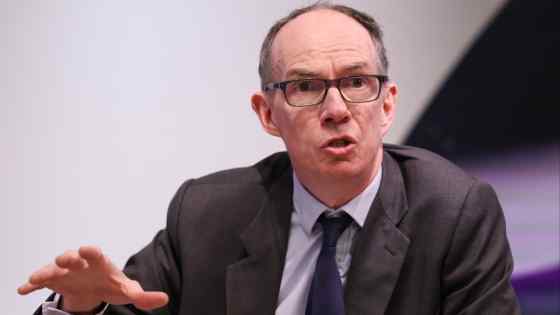


IMF's Blanchard unveils report at Tokyo gathering of finance ministers and central bankers.
[UPDATE] After a meeting of EU finance ministers in Luxembourg, Olli Rehn, the European Commission’s economic chief, said he would read the IMF’s analysis on the way back to Brussels. But he cautioned that while the impact of austerity on growth was important to consider, it was also essential to take into account the “confidence effect” budget consolidation has. He pointed to Belgium, which has gone from market laggard to nearly a safe haven after implementing tough austerity measures earlier this year.
Although the headlines generated by last night’s release of the IMF’s annual World Economic Outlook focused on the downgrading of global growth prospects, for the eurozone crisis the most important item in the 250-page report may just be a three-page box on how austerity measures affect struggling economies.
The box – co-authored by IMF chief economist Olivier Blanchard and staff economist Daniel Leigh – argues in stark language that the IMF as well as other major international institutions, including the European Commission, have consistently underestimated the impact austerity has on growth.
For a eurozone crisis response that has piled harsh austerity medicine on not only bailout countries but “core” members with high debt levels –Italy, France and Belgium, for instance – the IMF finding could shake up the debate on how tough Brussels should continue to be on eurozone debtors. As French economist Jean Pisani-Ferry, director of the influential Brussels think tank Bruegel, tweeted yesterday:
#IMF finding that multipliers have been systematically underestimated in consolidation episodes is bound to trigger major policy debate.
Read more