Economic growth

The opening feature of any EU summit is the gathering of heads of government at their partisan caucuses. These days none is more important than the European People’s Party, the right-wing EU coalition that includes Angela Merkel, Nicolas Sarkozy and Silvio Berlusconi. Read more

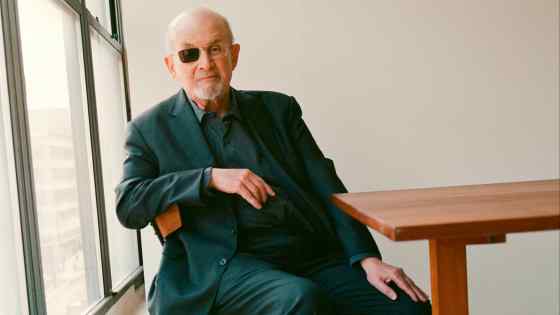
George Soros thinks that all of Europe is becoming fiscally Germanic, and he’s not happy about it.

The famed financier and philanthropist was in Brussels Tuesday to discuss the plight of Europe’s Roma population, which made headlines last month when France began deporting large groups of Roma back to Eastern Europe.

But he took some time during a lunch with a small group of journalists to criticise Germany’s insistence on fiscal austerity, which he believes is being imposed continent-wide through Berlin’s influence over the EU’s economic institutions.

“They have emerged as the hegemon of euro-land, who set the policy for euro-land; they write the operating instructions for the new common fiscal policy,” Mr Soros said. “Europe, because of the fiscal rectitude imposed by Germany, faces I think a prolonged period of economic stagnation, conceivably decline.” Read more

Timothy Geithner, the US treasury secretary, made headlines Wednesday after he warned of the potential for a currency war – or, to be more precise, a “competitive non-appreciation” – if China did not allow the renminbi to appreciate more freely.

What was less noticed in his address was some equally tough talk for Europe, where he seems to see a danger of continent-wide austerity measures stifling the nascent global economic rebound. Read more

Three days of summitry between EU and Asian leaders wraps up Wednesday in Brussels with the only “deliverable” – diplo-speak for a concrete achievement – of the entire event: the signing of a free trade agreement between the EU and South Korea.

But frequently, these international talkfests are more interesting for the atmospherics than any deals that are struck, and this week the mood has been more telling than most. Read more

Brussels got a welcome burst of colour today as tens of thousands of trade unionists converged on its boulevards to express outrage at planned public spending cuts. Read more

Raising the retirement age and cutting back pension entitlements are possibly the most unpopular measures that any modern European government can take for the purpose of stabilising the public finances.  From an individual’s point of view, the advantages seem remote or non-existent and the disadvantages all too immediate.  From the point of view of a ruling political party seeking re-election, it’s much the same story.  This explains why there is growing interest among European Union policymakers in the idea of “de-politicising” the pensions issue, by making certain changes to pension systems automatic and not subject to endless, acrimonious political struggles.

Take a Green Paper published today by the European Commission.  A Green Paper is a document designed to stimulate public discussion, not make firm policy proposals, so the Commission steers a cautious path through the issues.  Nonetheless, it observes in one passage: “A number of member-states have demonstrated that a promising policy option for strengthening the sustainability of pension systems is an automatic adjustment that increases the pensionable age in line with future gains in life expectancy.” Read more

Since the start of this year, Europe’s financial crisis has been given many labels - a sovereign debt crisis, a banking sector crisis, a crisis of the euro itself.  But rarely is it asked whether the European Union’s single market, which is the foundation stone of EU integration in the modern era, is under serious threat.

One person who has asked this question is Mario Monti, the distinguished former EU commissioner for the internal market and competition policy.  In May he presented a report on how to reinvigorate the single market to Commission president José Manuel Barroso, who had commissioned it from him last year.  It delivered a blunt message.  Many Europeans – citizens as well as political leaders – looked at the single market with “suspicion, fear and sometimes open hostility”, Monti said.  “The single market today is less popular than ever, while Europe needs it more than ever.” Read more

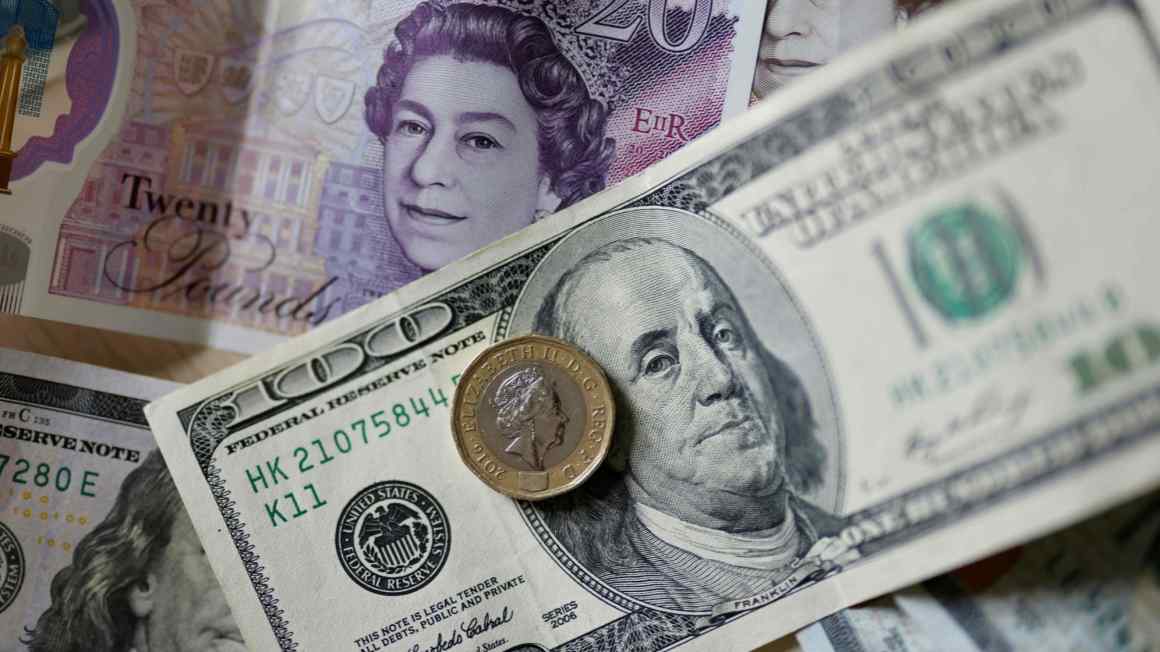
The euro has fallen by almost 20 per cent against the dollar since last November, and the general view in Europe is that this is good news – indeed, one of the few pieces of good economic news to have come Europe’s way recently.  The argument goes as follows: euro weakness = more European exports = higher European economic growth.

Unfortunately, the real world is not as simple as that.  Inside the 16-nation eurozone, not every country benefits equally from the euro’s decline on foreign exchange markets.  As Carsten Brzeski of ING bank explains, what matters is not so much bilateral exchange rates as real effective exchange rates.  These take into account relative price developments and trade patterns, and their message for the eurozone is far from reassuring. Read more

It was buried amid the excitement of the European Union’s summit in Brussels, but I’d like to draw your attention to a revealing report published on Thursday on the subject of European access to strategic raw materials.  Prepared under the supervision of the European Commission, the report names 14 critical materials that Europe risks not having enough of in the future – with potentially far-reaching implications for Europe’s economic development, not to mention its defence and security. Read more