


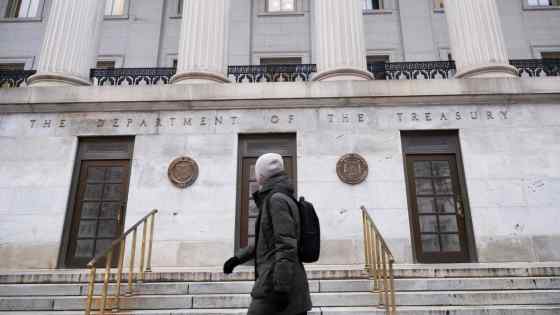

The downfall of Citigroup has taken place over a long time and involved many people, but attention is now focussing on the role of Robert Rubin, the former US Treasury Secretary, who is a Citi director and senior adviser and was briefly its chairman.
Mr Rubin has had an influential role at Citi since being brought on board by Sandy Weill in 1999 but has not been an executive. Having formerly been co-chairman of Goldman Sachs, he preferred to exercise influence behind the scenes.
He described his role thus when I interviewed him last year:
“People come by and want to talk about things. Some are unhappy with their jobs, others want to talk to me about how to approach a client or a government. My entire staff is two secretaries. That’s who reports to me.”
Now, of course, a big loss has been disclosed at Citi and various people are asking what Mr Rubin had to do with it. That was among the subjects covered in a long article in The New York Times on Saturday. It found that Mr Rubin and Chuck Prince, Citi’s former chairman and chief executive, played “pivotal roles” in the bank’s disastrous push into underwriting and trading collateralised debt obligations. Read more


Older entries