
Goldman should be allowed to fail

My FT column this week returns to Goldman Sachs:

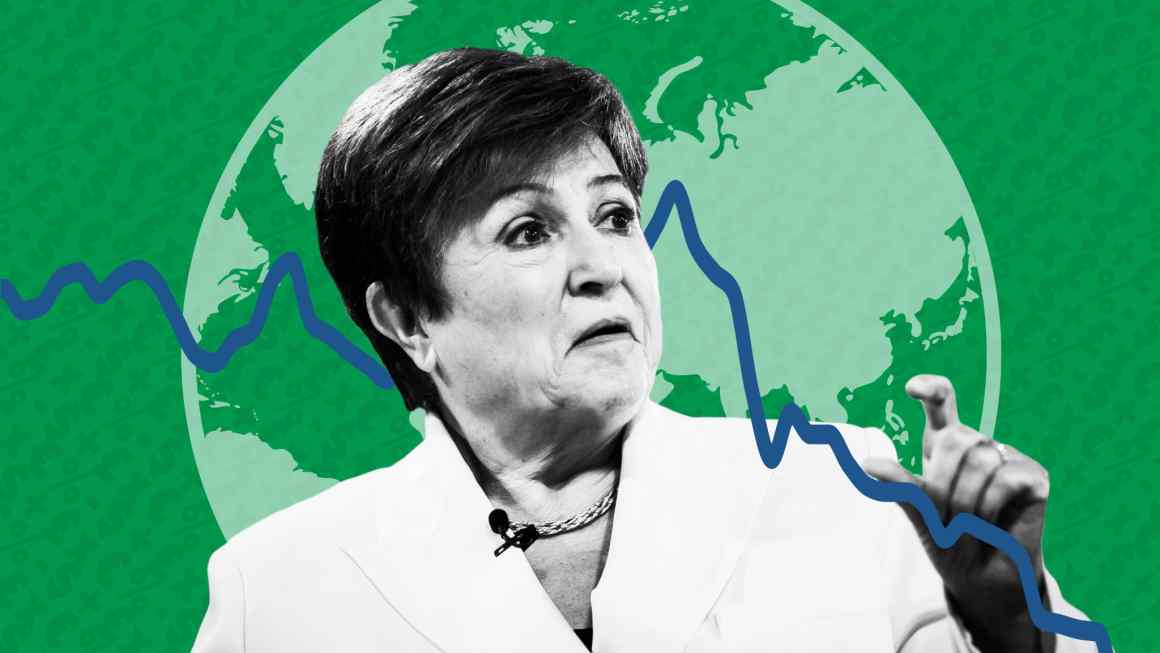
A decade ago, when Goldman Sachs was a private partnership, it had $6.5bn in equity and its 220 partners, most of whose money was tied up in the firm until they retired, took good care of their pot of gold.

The bank’s trading and principal investing division – the part that took the most risks with partners’ capital – was balanced with its fee-based investment banking and asset management divisions. Trading contributed about a third of its revenues in the two years leading up to its 1999 initial public offering.

After it sold shares in the IPO to outside investors – pension and mutual funds hold about 80 per cent of its equity – it steadily increased its appetite for risk. Its fixed income and currency division has become dominant, bringing in two-thirds of Goldman’s revenues in 2006 and 2007 (and 78 per cent in the first nine months of this year).

In last year’s crisis, the US government made clear that it stands behind Goldman and other big investment banks. It received a $10bn (€6.7bn, £6.0bn) capital injection from the Treasury (since returned) and $21bn of its debt is backed by the Federal Deposit Insurance Corporation. It is now a financial holding company whose regulator and lender of last resort is the Federal Reserve.

So, if Goldman Sachs took on more risk when its equity was held by outsiders than with its partners’ own money, what can we expect now that the government implicitly accepts that it is “too big to fail”? Goldman has an even bigger incentive to risk other people’s money.

You can read the rest here and comment below.

Business blog

Strategy & managing

About this blog Blog guide
This blog is mainly about business and strategy and how and why people who run companies take the decisions that they do.

Most of the time, John Gapper is in New York and Andrew Hill is in London. We occasionally debate business issues between us, but your comments and criticism are welcome.


To comment, please register for free with FT.com and read our policy on submitting comments.

All posts are published in UK time.

Contact andrew.hill@ft.com or john.gapper@ft.com about the Business blog.

See the full list of FT blogs.

About John and Andrew

John Gapper is an associate editor and the chief business commentator of the FT. He has worked for the FT since 1987, covering labour relations, banking and the media. He is co-author, with Nicholas Denton, of All That Glitters, an account of the collapse of Barings in 1995.

Andrew Hill is an associate editor and the management editor of the FT. He is a former City editor, financial editor, comment and analysis editor, New York bureau chief, foreign news editor and correspondent in Brussels and Milan.

Archive

« Sep Nov »October 2009
M T W T F S S
 1234
567891011
12131415161718
19202122232425
262728293031