


Warren Buffett disappoints over Goldman Sachs

The shareholders of Berkshire Hathaway were disappointed by Warren Buffett’s defence of Goldman Sachs at their annual meeting in Omaha, Nebraska this weekend, and I admit to being disappointed too.

Despite the doubts expressed by Charlie Munger, Mr Buffett’s business partner, about Goldman’s conduct in the synthetic CDO market, the Sage of Omaha threw his considerable weight behind the bank.

As the FT reports:

Characterising much of the reporting on the subject as misleading, Mr Buffett instead turned his focus on the investors who bought into the products that Goldman traded.

“It is pretty hard for me to get sympathetic because they made a dumb credit deal,” Mr Buffett said of the Dutch bank ABN Amro Group, one of the major losers from the Abacus transaction at the centre of the controversy …

Still, Charlie Munger, Mr Buffett’s long time business partner took a more critical line. “Every business ought to decline a lot of business that is perfectly legal and proper to accept. I think the standard in business should not be what is legal but what is proper.

“I don’t think investment banks should take on too many skuzzy securities and deal with skuzzy people … I think [this deal] was a closer case than usual,” he added, although he admitted that had he been on the Securities and Exchange Commission he would have voted against pursuing the case.

Mr Buffett may be right about ABN Amro and ACA, the bond insurer that selected the securities for the Abacus deal, but that still leaves questions for Goldman.

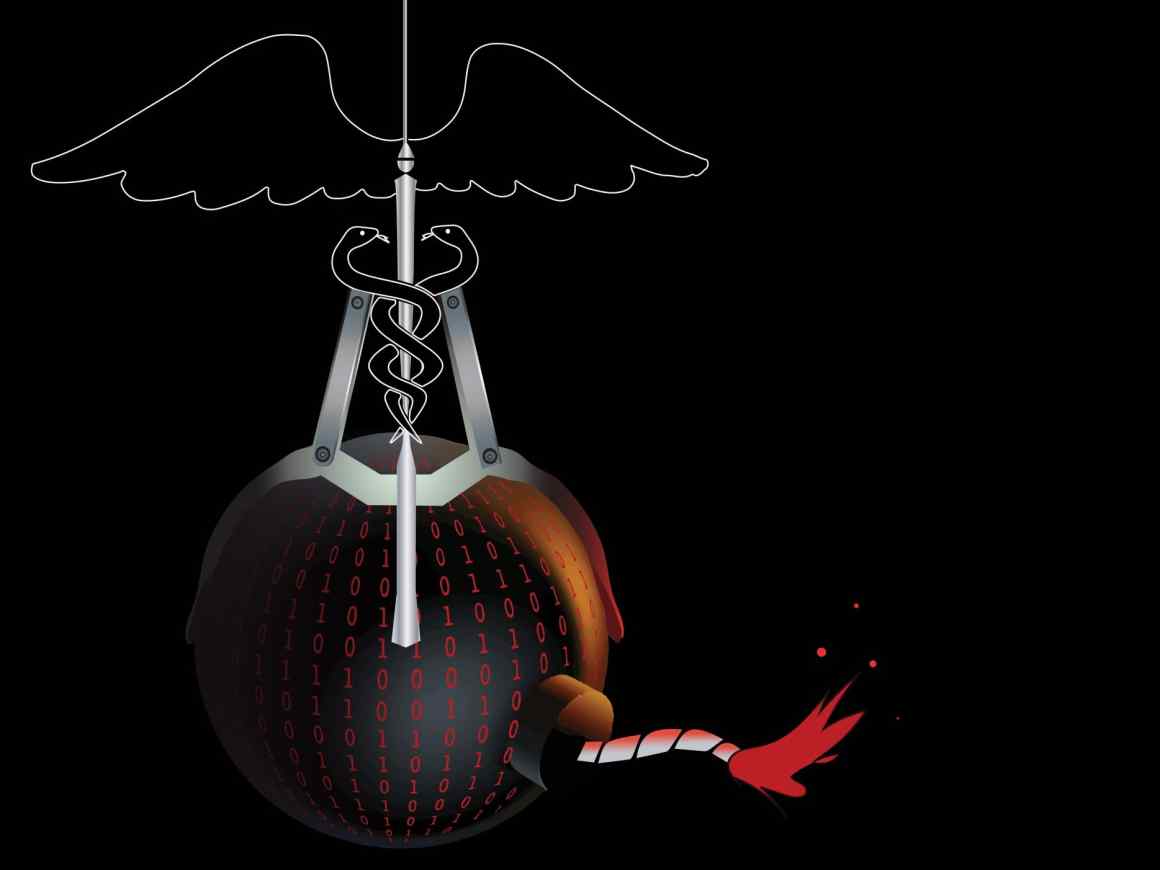
One reason for the muted reaction of the crowd in Omaha is that Mr Buffett has previously been a model of clarity about the dangers of derivatives dealing, notably in his 2002 annual letter in which he described them as “financial weapons of mass destruction”:

Charlie and I believe, however, that the macro picture is dangerous and getting more so. Large amounts of risk, particularly credit risk, have become concentrated in the hands of relatively few derivatives dealers, who in addition trade extensively with one other. The troubles of one could quickly infect the others.

On top of that, these dealers are owed huge amounts by non-dealer counterparties. Some of these counterparties, as I’ve mentioned, are linked in ways that could cause them to contemporaneously run into a problem because of a single event (such as the implosion of the telecom industry or the precipitous decline in the value of merchant power projects). Linkage, when it suddenly surfaces, can trigger serious systemic problems.

Even eight years on, that seems like a pretty good summary of the Abacus deal. Furthermore, Mr Buffett was scathing in 2002 about the conflicts of interest and potential for misvaluation within such deals:

I can assure you that the marking errors in the derivatives business have not been symmetrical.
Almost invariably, they have favored either the trader who was eyeing a multi-million dollar bonus or the CEO who wanted to report impressive “earnings” (or both). The bonuses were paid, and the CEO profited from his options. Only much later did shareholders learn that the reported earnings were a sham.

However, Mr Buffett is also an enthusiastic pitchman for the companies in which he invests – the Wall Street Journal notes that he drank Coca-Cola and ate See’s sweets throughout the session – and he seems to have treated Goldman the same way.

But investors trust Mr Buffett to distinguish between self-interest and the public interest – something his remarks in Omaha failed to do.

Business blog

Strategy & managing

About this blog Blog guide
This blog is mainly about business and strategy and how and why people who run companies take the decisions that they do.

Most of the time, John Gapper is in New York and Andrew Hill is in London. We occasionally debate business issues between us, but your comments and criticism are welcome.


To comment, please register for free with FT.com and read our policy on submitting comments.

All posts are published in UK time.

Contact andrew.hill@ft.com or john.gapper@ft.com about the Business blog.

See the full list of FT blogs.

About John and Andrew

John Gapper is an associate editor and the chief business commentator of the FT. He has worked for the FT since 1987, covering labour relations, banking and the media. He is co-author, with Nicholas Denton, of All That Glitters, an account of the collapse of Barings in 1995.

Andrew Hill is an associate editor and the management editor of the FT. He is a former City editor, financial editor, comment and analysis editor, New York bureau chief, foreign news editor and correspondent in Brussels and Milan.

Archive

« Apr Jun »May 2010
M T W T F S S
 12
3456789
10111213141516
17181920212223
24252627282930
31