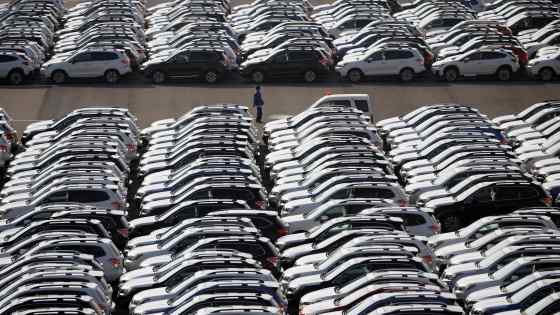
Toyota’s woes are seen as a chance for other Asian carmakers such as Honda and Hyundai and maybe even the US Big Three.
But the biggest beneficiary in the long run might be European: Volkswagen. Read more
Toyota’s woes are seen as a chance for other Asian carmakers such as Honda and Hyundai and maybe even the US Big Three.
But the biggest beneficiary in the long run might be European: Volkswagen. Read more
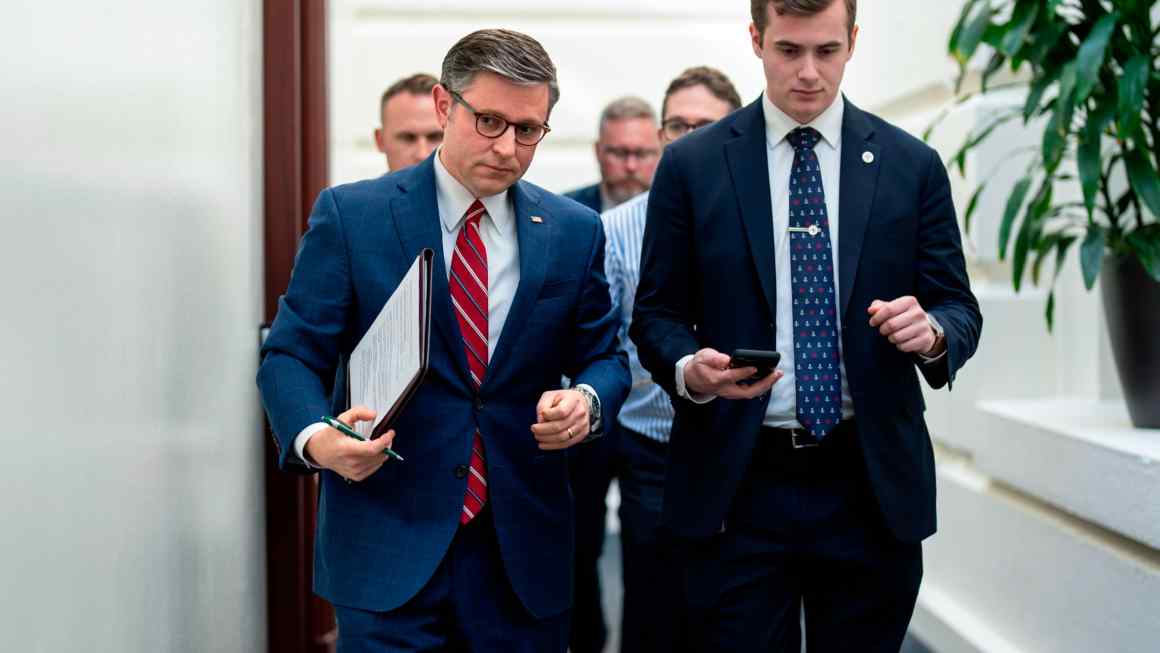
Whoever is advising Akio Toyoda, Toyota chief executive, on PR has not exactly covered themselves in glory. Toyota has widely been seen to be slow in responding to the unfolding safety disaster. That view is only going to be compounded by news that Mr Toyoda does not plan to appear before US congressional committees investigating the defects that have led the troubled Japanese automakers to recall of millions of vehicles. Mr Toyoda said Yoshimi Inaba, head of Toyota’s US business, would represent the company at the hearings.
This can only end badly for Toyota. It gives a bad impression that Toyota’s top management are ducking the issue or not taking it seriously enough or trying to hide something. Worse, it is an untenable position. If Mr Toyoda seeks to dodge the hearings, such will be the public backlash that he will inevitably be forced to backtrack and go to the hearings. If Toyota is serious about rebuilding its franchise in the US, Mr Toyoda has no alternative. He must go to Washington. Read more
Louise Lucas blogs for the Financial Times on the impact of Toyota’s woes on its rivals, such as GM, Ford and VW. Read more
A problem that is handled well can increase a customer’s loyalty. This is something Toyota should bear in mind as it deals with the potentially devastating recall of more than 8m cars for safety defects. Just look at last week’s healthy results from Mattel, which has recovered admirably from the “toxic toy” scandal of 2007 that forced it to pulp more than 20m products that were covered in lead paint or had bits falling off them.
What Mattel understood, from the get-go, was the need to take full responsibility and to apologise and explain, and then to keep on apologising and explaining…until consumers were sick of hearing it. Unfortunately, this goes against a deeply-held corporate instinct – applicable globally but possibly even more pronounced in Japan – to downplay problems, shift responsibility and reveal only what is absolutely necessary. Just remember how Ford and Firestone blamed each other for the exploding tires on the Ford Explorer a decade ago, a scandal that ultimately cost Ford’s then-CEO Jac Nasser his job. Read more