Learning to surmount the economic problems

January 27, 2009 1:31pm

Just limbering up for Davos and saving the world in four days up a Swiss alp in the snow in January - and it’s snowing today. Surprisingly there’s a record registration level of around 2,500 people, around 40 heads of government and key business people, trade unionists, expert advisors and NGOs - and the usual plethora of management consultants and investment banks. But everyone’s going to be more sombre this year - not so many parties or movie stars.

For the first time ever, after 20 or so years, all the four largest advertising and marketing services parent or holding companies are represented here. Perhaps a surprising fact - maybe some of us have just discovered the world. Although I’m sure a number of people will pull out at the last moment, due to the current economic pressures.

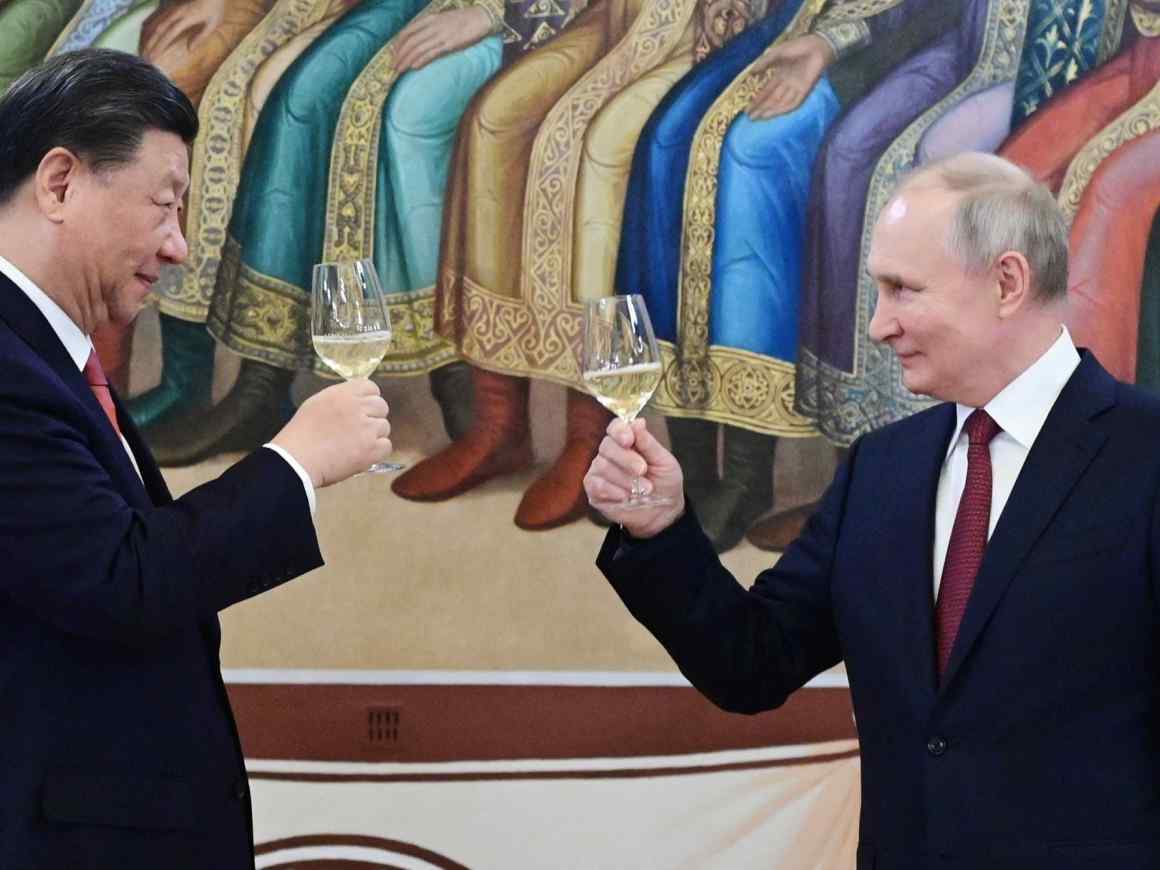
The political stars will be the leaders of China, Russia, Germany and the United Kingdom and ex-premiers of the United States and United Kingdom. The new, exciting Obama administration should have been represented by Larry Summers.

Tim Geithner, just ratified as Treasury Secretary, is also on the list. Others are back home focussed on job one - the economic crisis. Maybe they won’t make it - Valerie Jarrett, one of President Obama’s closest advisors will definitely be there.

As we are in the midst of the United States reporting season for 2008, a number of US-based ceos find it difficult to attend and the US constituency always tends to be less represented as a result.

The only year it was very strong was after 9/11 in New York in 2002, although New York offers more diversions and interruptions. Maybe a missed opportunity to base the WEF annual meeting in the United States in alternate years? In any event, Klaus Schwab, the visionary founder of Davos, has high hopes for his invention this year - hoping it will be a modern day Bretton Woods. Maybe a little ambitious. Bretton Woods lasted for a couple of years.

In any event I will be hoping to learn not only how we are going to surmount the short-term economic problems we face (which I am sure we will given the massive fiscal and monetary stimuli), but also, more importantly the long-term ones. How is Western Europe going to deal with long-term spending deficits and probably high inflation rates and interest rates?

Will the United States deal effectively with its economic crisis and the world’s biggest $14 trillion dollar economy recover, just like it did in the 1980s under President Reagan? Will the balance of economic power swing even further towards the east and the capital rich countries of Brazil, Russia, India and China and the next 11? Let’s hope there may be some answers or at least some guide posts.

In any event, the delegates are usually excessively polite and accessible. Generally unprotected by staff, they smile and engage, unwilling or unable to ski. After all I might be Lionel Barber or Robert Thomson in disguise.

To be fair there is no other gathering like Davos - a big opportunity to debate and learn - if not solve and sometimes, like last year, miss the world’s problems. Love it or hate it - it’s unique.

Sir Martin Sorrell is chief executive of WPP