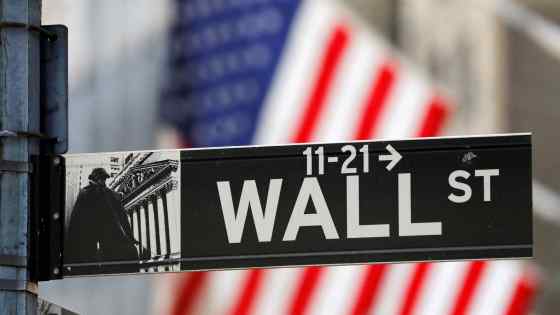

Finance is the brain of the market economy. Alas, like the brains of individual human beings, it can shift in an instant from greed to fear. Sometimes, as now, the brain behaves as if indifferent to risks and uncertainties. At other times, it is consumed by anxiety. Today, moreover, as I argued last week, the brain has become active, global and self-confident. Is it also creating huge dangers for the world economy? Critics would levy three big charges against modern financial capitalism: it is unjust; it is inefficient; and it is unstable. This charge sheet is as old as capitalism itself. Two objections are made to the rewards gained by financiers. The large one is that making large sums out of speculation, rather than production, is distasteful. But this distinction is arbitrary. What matters far more is whether the activities are economically helpful. A narrower objection is to the fiscal regimes under which successful financiers operate. Yet this, again, raises general questions about fiscal policy, not ones limited to the financial sector. Thus, the charge that there are injustices associated only with financial capitalism is hard to justify. The remainder of Martin Wolf’s column can be read here (FT.com subscription required). Discussion from our guest economists is free.

Back to Economists' Forum homepage
Leading economists discuss topics raised by 
With most of the world’s big economies now officially out of recession, the Financial Times examines the legacy of the worst global economic crisis since the 1930s. See our in depth page:
News, data and opinions on market-moving economics. Read posts from Chris Giles, the FT's economics editor, Krishna Guha, US economics editor and Ralph Atkins, Frankfurt bureau chief.