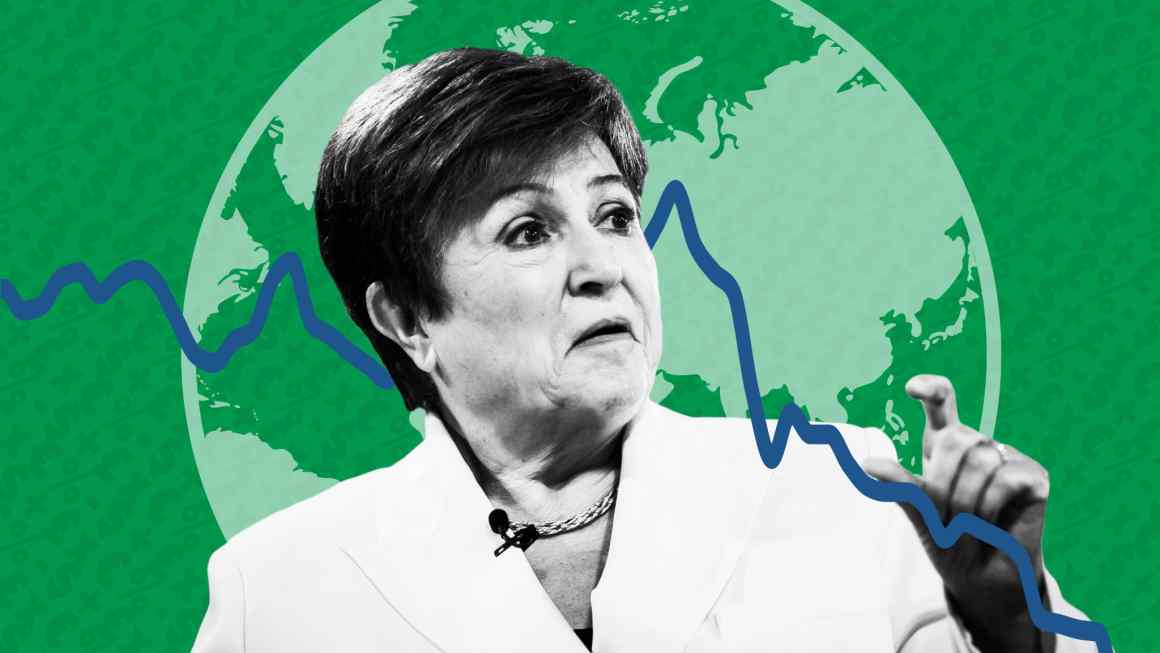


Did inflation targeting fail? Central banks have mostly escaped blame for the crisis. Do they deserve to do so?
Just over five years ago, Ben Bernanke, now chairman of the Federal Reserve, gave a speech on the “Great Moderation” – the declining volatility of inflation and output over the previous two decades. In this he emphasised the beneficial role of improved monetary policy. Central bankers felt proud of themselves. Pride went before a fall. Today, they are struggling with the deepest recession since the 1930s, a banking system on government life-support and the danger of deflation. How can it have gone so wrong?
This is no small matter. Over almost three decades, policymakers and academics became ever more confident that they had found, in inflation targeting, the holy grail of fiat (or man-made) money. It had been a long journey from the gold standard of the 19th century, via the restored gold-exchange standard of the 1920s, the monetary chaos of the 1930s, the Bretton Woods system of adjustable exchange rates of the 1950s and 1960s, the termination of dollar convertibility into gold in 1971, and the monetary targeting of the 1970s and 1980s.
The remainder of the article can be read here. Debate from our panel of economists appears below.

Back to Economists' Forum homepage
Leading economists discuss topics raised by 
Award-winning FT writers and some of the world’s top political and business figures examine the far-reaching implications of the credit crunch on our investment system in our special series on the
News, data and opinions on market-moving economics. Read posts from Chris Giles, the FT's economics editor, Krishna Guha, US economics editor and Ralph Atkins, Frankfurt bureau chief.