

Monthly Archives: March 2011

By Francis Bator

Our arguments about the US federal budget are now all about deficits and debt: the effect of the budget on the budget. We are cutting government spending with little thought to the value of the public services forgone, and no thought at all to the effect on production, jobs and incomes.

Fiscal prudence matters. But the helter skelter rush to cut this year’s and next year’s budget deficits is high-priced folly. For want of enough spending overall by households, businesses and government taken together, i.e., for want of enough buying, a huge amount of production capacity is standing idle, producing nothing. 13.7m unemployed workers — four for every job that is vacant — are searching for jobs instead of working and earning income. At the same time, states and local governments, forced by shrunken revenues and shrinking federal subsidies to curtail their spending, are shutting health centres, allowing roads and bridges to crumble, and laying off nurses, firemen and teachers.

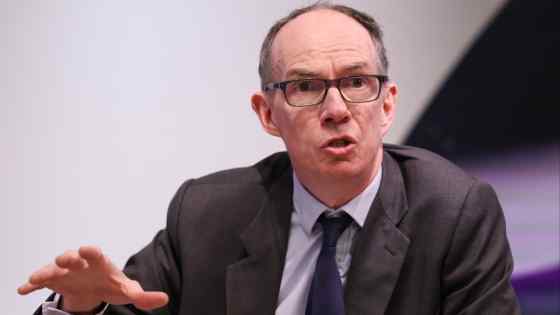
The combination of a rapidly growing economy, and a surge in oil prices, has raised questions about the strength of the doves’ hand at the Fed. Previously in firm control, the doves had until yesterday been silent about the recent mixture of strong GDP growth and rising headline inflation. Was the case for exceptionally easy monetary policy beginning to fray at the edges? Not in the mind of New York Fed President Bill Dudley, who is among the most eloquent spokespersons for the dovish standpoint.

In an important speech, Bill Dudley confirmed that the US economy is now growing at an accelerating rate, but said that this reflected the success of Fed policy, rather than providing any case for changing it. He conceded that the structural unemployment rate may have risen to between 6 and 7 per cent, but argued that much of this increase may be temporary. And, in any event, he suggested that employment could rise by 300,000 per month for two years before the economy would run out of spare capacity. On the commodity price surge, he said that this would not be a sufficient reason for tightening monetary policy, unless it started to increase inflation expectations. Assuming this does not happen, Bill Dudley will remain an influential dove for a long time. And this is important, because his recent thinking has been very close to that of US Federal Reserve chairman Ben Bernanke himself.

Economists' Forum

Debating economics

About this blog Blog guide
Read posts on economics from guest contributors to the FT and share your views. Martin Wolf, the FT's chief economics commentator, often joins the debate.


To comment, please register for free with FT.com and read our policy on submitting comments.

All posts are published in UK time.

Contact martin.wolf@ft.com about the Economists' Forum.

See the full list of FT blogs.

Archive

« Feb Apr »March 2011
M T W T F S S
 123456
78910111213
14151617181920
21222324252627
28293031