


Is natural gas a real low-carbon option?

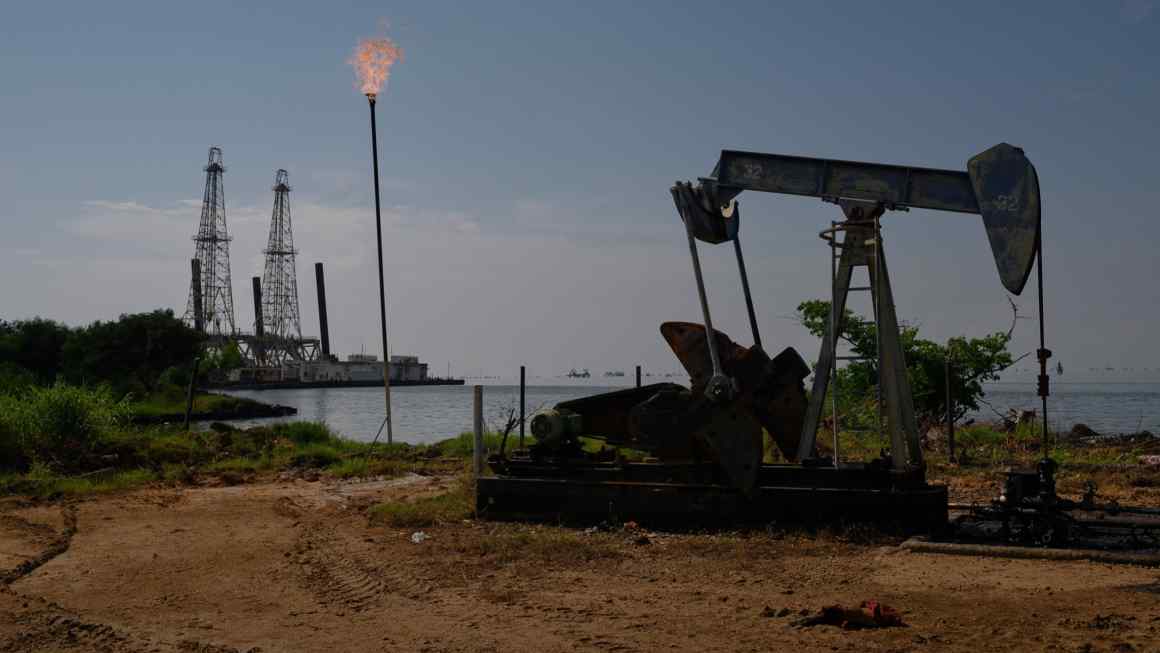
Using natural gas instead of coal for power generation is a clear improvement in terms of carbon dioxide emissions: the carbon dioxide output from a gas-fired power station per kilowatt hour is about half that from a coal-fired plant, as is discussed in the FT’s special report on gas, published today.

It is an argument that is being made increasingly vocally by gas producers such as BP, and has found favour with senators John Kerry and Barbara Boxer, who have included measures to help the natural gas industry in their energy bill now before the US Senate.

However, there is a debate brewing about whether gas can really be anything other than a stop-gap, a transition “bridge fuel” on the route to a low-carbon future.

The problem with using natural gas is not cost; certainly not at the moment, when prices have plunged. What concerns there may have been about supplies running short have been eased by the opening-up of the vast “unconventional” gas resources of the US.

However, there are many who would argue that gas remains part of the problem, not part of the solution. Gas may be better than coal, but it is still not as good as rebnewables or nuclear power for reducing emissions. Those economies that have ambitions to take the carbon dioxide emissions out of power generation altogether by 2050 will not be able to use conventional gas-fired plants as part of the mix.

The UK’s Carbon Trust estimated in a report last year (requires registration) that to keep global emissions to a level that would avert catastrophic climate change, world gas demand would have to peak in 2030.

There may be only one way for those positions to be reconciled: carbon capture and storage. CCS is available for gas as well as for coal-fired power, and the technology is being pursued by BP in Abu Dhabi.

However, fitting CCS to coal-fired power stations will not be easy, and it makes sense to clean up the coal before the gas, because it is dirtier. So while environmentalists and the gas industry may find some common cause today, it is easy to imagine them at loggerheads in years to come.

Energy Source is no longer updated but it remains open as an archive.

Insight into the financial, economic and policy aspects of energy and the environment.

Read our farewell note

About the blog

Archive

« Sep Nov »October 2009
M T W T F S S
 1234
567891011
12131415161718
19202122232425
262728293031