
The American Petroleum Institute is incensed that Ken Salazar, Secretary of the Interior, has removed 60 federal leases from development in Utah, after protests by environmentalists and others that they undermined key areas of the state. Here is what Jack Gerard, API President, had to say:
That Secretary Salazar is removing 60 federal leases from development is just another in a series of actions this administration has taken to delay or thwart oil and natural gas exploration in areas where its development has been designated, and where lease sales have been carefully planned.
Yet Mr Gerard’s arguments that removing leases from development will thwart natural gas exploration comes at an awkward time.
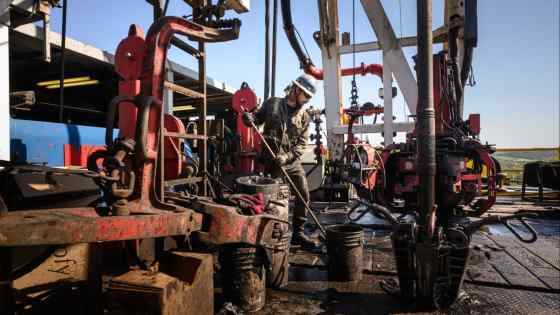
Natural gas is so plentiful that there have been worries in recent months about storage overflowing. Prices recently fell to a 7.5-year low, and many a roughneck is out of work because drillers are laying down their rigs for fears of further flooding the market.
There does not seem to be a need for all the natural gas the US can get its hands on at this moment. If the time comes when the current estimates of 100 years of supply have run out, and there is a dire need for fuel, certainly the US government will reconsider leasing these tracts.
Here is what Mr Salazar had to say about the situation, based on a report on the leases by the Bureau of Land Management.
The oil and gas resources under our public lands are an important part of our energy future, but we must ensure that development is happening in the right way and in the right places. The report helps clear off the cloud that has hung over these 77 parcels since they were first proposed, and gets to the bottom of which should be leased and which – such as those near national parks – are simply not appropriate for development.
Yes 77 is right. Because the government pulled 77 leases for review. It recommended leasing 17 of the parcels, deferring 52 parcels and withdrawing eight.
Deferral means that the parcels may not be leased until necessary corrections are made to the associated leasing documents, or until conditions are such that leasing would assist in the orderly development of the oil and gas resource. Deferral could also mean removal of the parcels from leasing. He said the recommendation to remove eight parcels from leasing was because field reviews found that leasing was inappropriate due to critical resource values and or the apparent lack of net benefit to be gained from leasing.
So it was not like the government just cancelled the lease sales without thought. That the US government is now thinking carefully about what lands to lease is a good sign. If breakthrough technologies can be found to replace a significant portion of fossil fuels, the US may not need to develop all its natural gas resources. While that is still nothing more than wishful thinking, it is something the US should aspire to.
For while natural gas is cleaner than coal – releasing about half the carbon emissions – it is a fossil fuel and emits carbon. It may take Mr Gerard a while to understand that thinking through something is not a bad thing. Admittedly after eight years of President George Bush, it is hard to get one’s head around it. But considering all the natural gas now flooding the market, it is worth trying to do.