- Help
- •Contact us
- •About us
- •Sitemap
- •Advertise with the FT
- •Terms & Conditions
- •Privacy Policy
- •Copyright
© The Financial Times Ltd 2013 FT and 'Financial Times' are trademarks of The Financial Times Ltd.

FT dot comment is no longer updated but it remains open as an archive.
Politics, economics, high finance and morality – this blog addresses the issues being considered by the FT’s comment team, and their thoughts.
Lorien Kite is deputy comment editor, a post he took up in 2009 after four years as a commissioning editor on the analysis page. He joined the FT in 2000.
Ian Holdsworth became assistant features editor in 2009 and was previously chief production journalist for the features pages.
Joining the debate: To comment, please register with FT.com. Register for free here. Please also read the FT's comments policy here.
Contact: You can write to the comment team using this email format: firstname.surname@ft.com
Time: UK time is shown on our posts.
Follow the blog: Links to the Twitter and RSS feeds are at the top of the blog.
FT blogs: See the full range of the FT's blogs here.
© The Financial Times Ltd 2013 FT and 'Financial Times' are trademarks of The Financial Times Ltd.
Sterling disaster looms, says Jim Rogers
EDIT: Please note that Jim Rogers denies making this comment. Please read this post for his response.
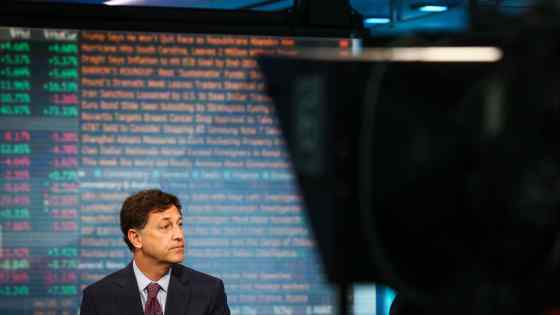
The pound could collapse “within weeks”, says Jim Rogers (right), co-founder with George Soros of the Quantum Fund which took down the pound in 1992 (he is also a currency trader, presumably short the pound).
It is worth pointing out that it is almost exactly 13 months since Rogers said this:
That isn’t to say he’s wrong; the British economic position is dire, the Bank of England might resume printing money, and both Labour and Conservatives are desperately avoiding spelling out cuts for fear that they will lose votes. But just because he’s a “financial guru”, doesn’t mean he’s always right, either.