Like many other native English-speakers, I was brought up on the stories of heroic undercover operations behind enemy lines in Nazi-occupied Europe – inevitably with the help of resourceful French partisans. It is tempting to apply the same terms to other guerrilla groups resisting occupation, even when their cases – such as Palestine – are quite different.
But rather than get into the rights and wrongs of armed resistance, I’ve been thinking about the practical alternative: peaceful protest. A large grouping of Palestinians and supporters issued a call for “BDS” – boycott, divestment, sanctions – five years ago, as part of an effort to move from suicide bombings and missiles to create a civil resistance movement. They have not ended the cycle of attack and counter-attack, and Israel attributes the lower level of suicide attacks and missiles to its wall, or “security fence”, and to the invasion of Gaza.
What is interesting, though, is what the peaceful protest is supposed to achieve. Here’s what Mustafa Barghouthi, a Palestinian MP and supporter of the movement, told me on Monday:
People need a positive message to support. We don’t just need sympathy from the world – we need to give the world something to support.
He argues that peaceful resistance can attract international support and so pressure Israel; he would prefer the US simply to dictate to Israel a settlement, but has given up hope that Barack Obama will do so. There is, after all, already the beginnings of US pressure with the formation of J-Street, a moderate Jewish lobby in Washington, while several foreign companies and even some governments (such as Norway, via a pension fund) divested in the wake of the Gaza invasion.
Barghouthi also thinks peaceful protest can win support within Israel, as moderates are likely to be attracted by the movement – even if some in the settler lobby would prefer to see Palestinians ejected from the West Bank altogether (Prime Minister Benjamin Netanyahu’s Likud wants them have limited self-rule, but no sovereignty).
There are three potential negative scenarios which would render peaceful protest pointless:
1. Israel has little to lose from peaceful protest. According to Barghouthi, exports from Israel to the Palestinian territories, excluding East Jerusalem, total $2.6bn. Out of its $57bn or so of exports in 2008, that matters – but not enough. Israel has rebuilt its economy since the Intifada so it no longer relies on Palestinian workers, so it could just shrug and ignore peaceful protestors.
Barghouthi accepts part of this point, but says the economic lever he wants to push is not just the domestic one, but also international: hence the call for a boycott. Furthermore, he points out, Israelis are not devoid of morals, so it is worth making efforts to win their sympathy – which won’t be done through violence.
2. The international media lose interest as soon as there are no deaths; this is compounded by well-funded pro-Israeli propaganda groups, particularly in the US and UK. If there is no coverage of the terrible conditions under which Palestinians are living, everyone will just be relieved that there are no deaths and ignore them.
There are already signs of this. Most of the sypathetic coverage of Palestinians tends to focus on specific acts of oppression against individuals (such as the confiscation of their homes), or cases of obvious abuse by Israeli forces. More general difficulties creating resentment, such as settler-only roads and the wall, get little coverage.
3. Peaceful protest in the past has been brutally suppressed; for every success (Mahatma Gandhi or the US civil rights movement) there is a failure (Burma or the US anti-Vietnam war movement, for example) which leads to (sometimes heroic) suffering for its supporters.
Israel already looks like it is going down the route of brutal suppression. West Bank protesters are regularly harassed, arrested and/or beaten up by Israeli soldiers – just this week the offices of the (peaceful) Stop the Wall campaign were raided. The process appears to be a repeat of tactics of massive over-reaction used for 30 years, according to Neve Gordon.
So what chance is there? Barghouthi remains hopeful. “If we reach a point where the price of sustaining occupation and oppression is so high, then even Netanyahu will change,” he says.
International boycotts have had an effect in the past; South Africa was badly hit under apartheid by consumer-led boycotts. And if a mass peaceful movement could be created – it is unclear so far how much grassroots support there is in the West Bank – it could provide a basis for peaceful parties with a proper political base able to give Israel the negotiating partner it needs to reach any form of peace agreement.
But these are big ifs. Unless Israel is pressured by the governments of the US, on which it relies financially, or Europe, a big enough trade partner to have an effect, it seems to me the most likely outcome is for Israel to carry on with its current approach of settlement expansion and suppression of Palestinians regardless of protests. I just don’t see enough evidence of mainstream outrage in western countries at the plight of the Palestinians for the boycott campaign to really get off the ground.
Barghouthi thinks a peaceful protest movement is the only remaining option:
Is there any other way for us except accepting to be slaves of occupation for the rest of our lives? No.
But he compares the movement to Gandhi and Nelson Mandela; Mandela, it should be remembered, led a bombing campaign against the apartheid South African government because he became convinced that peaceful attempts would fail.
The danger is that protesters follow Mandela and take up arms. Tragically for both sides, that will mean another generation of Palestinians being brought up on Boy’s Own-style stories of futile killing of Israelis – and peace prospects retreating ever further.
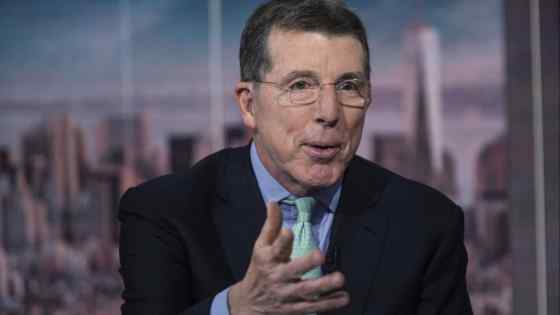
So, from the dream team that brought Barclays through the financial crisis without a bail-out (as John Varley and Bob Diamond might like to be described), come proposals to buy an American retail bank.
Three reasons why Barclays, one of Britain’s biggest banks, should not be trusted with such a deal:
1. Barclays wanted to be Royal Bank of Scotland. It tried to buy ABN Amro, and was only stopped by a combination of RBS’s willingness to pay even more than the insane sum (€64bn) Barclays offered and a campaign by Atticus Capital, the New York hedge fund, to make it see sense. Had Barclays succeeded, it would be Varley, not Sir Fred Goodwin, who was having his windows broken.
2. Barclays almost became a combination of Lloyds TSB and Bank of America. If it hadn’t been for Alistair Darling and the FSA, Barclays would have bought Lehman Brothers the weekend before it went bankrupt, in a sweetheart deal brokered by Hank Paulson, then Treasury secretary, and Tim Geithner, then head of the New York Fed and now Treasury secretary. Had Barclays succeeded, Varley would be joining Eric Daniels of Lloyds (now Lloyds Banking Group, following its disastrous HBOS takeover and state bail-out) and Ken Lewis (ex) of BoA (the not-so-proud owner of Merrill Lynch) in the competition for the title of worst takeover deal ever. [EDIT: Note that a large chunk of the most toxic assets would have been left for Wall Street to pick up; bad assets embedded in the balance sheet would still have been terrible news for Barclays, but perhaps - perhaps - it could still have avoided falling under state control.]
3. Barclays is already too big to fail. Allowing it to grow bigger simply exposes the British taxpayer to further contingent risk, which quite clearly Britain is not capable of taking on.
In addition, the dismal history of British banks in the US gives good reason for caution: most famously HSBC, but RBS of course had big operations there and NatWest Bancorp was never successful.
Rather than letting Barclays buy more, it should – as with other big banks – be forced to shrink, ideally by making it pay its true cost of capital, which would render many operations of all the banks unprofitable.