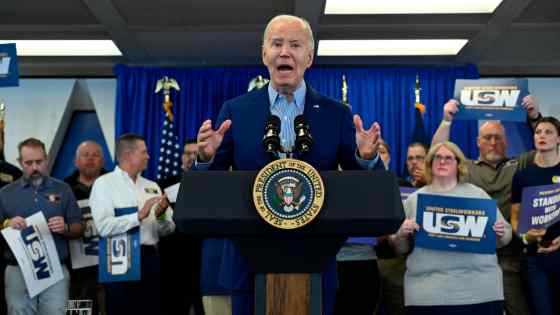

Is it more accurate to refer to QE∞ instead of QE3? Unlike the previous doses of US QE, this campaign of asset purchases has no official limit, and will carry on until the unemployment rate has improved “substantially” – a word that the Federal Reserve can define, and redefine, as it sees fit over the years ahead.
I have already argued that this should be regarded as stunningly aggressive. In the latest Note video, Gavyn Davies, a fellow FT blogger, agrees. The key point, he suggests, is that over the last year the Fed’s reaction function has changed. It is not just that the employment situation has worsened but also that, for whatever reason, it has decided to give the full employment part of its mandate greater emphasis than before. There are plenty of possible reasons for this, which we discuss in the video: Read more


James Mackintosh is the Financial Times' Investment Editor, writing and presenting the daily Short View column and video. In 16 years at the FT his posts have included comment editor, motor industry editor and hedge funds correspondent, as well as spells in the Parliamentary lobby and Paris. He was the first reporter hired for FT.com, joining two weeks before it launched.
John Authers is the Financial Times' Senior Investment Columnist, writing the Saturday Long View and a regular Monday column. In a 22-year career at the FT, his previous posts have included global head of the Lex column, investment editor, US markets editor, Mexico City bureau chief and US banking correspondent. His latest book is The Fearful Rise of Markets.