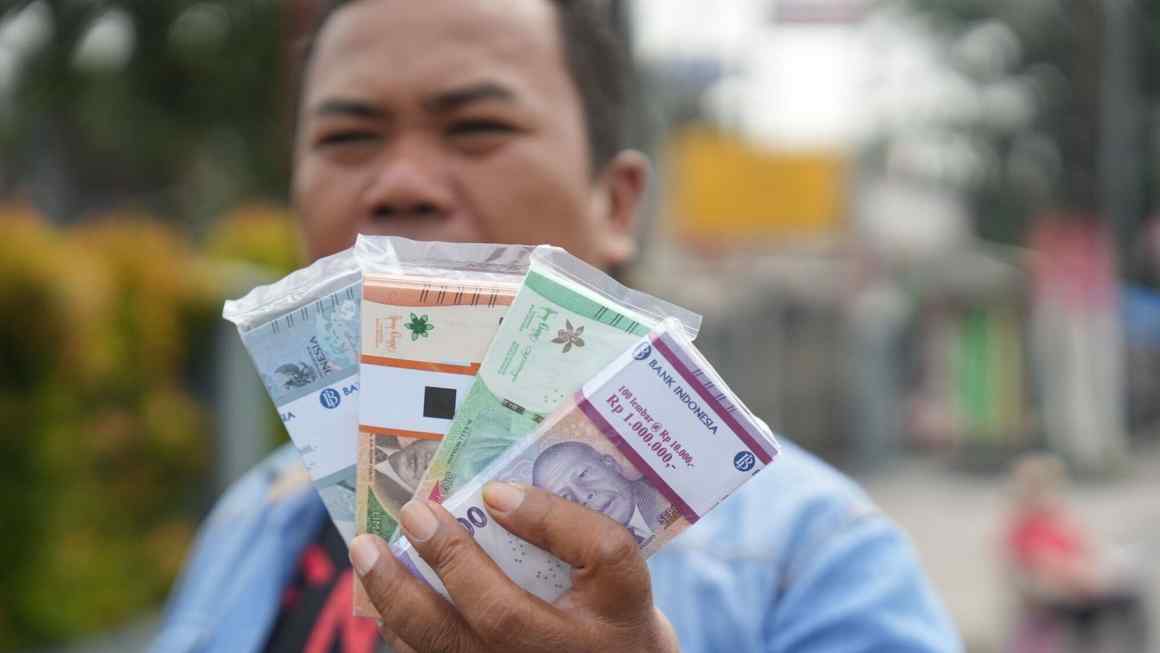


an investor looking at stock prices at a securities brokerage in ShanghaiChinese equities are in the doldrums. Both the Shenzhen composite and the Shanghai composite indices touched their lowest level in over three years this week, marking a loss for both indices of around 10 per cent since the start of the year.

But not all Chinese stocks are falling. Hong Kong’s Hang Seng China Enterprises Index, composed of mainland companies, is up by around 6 per cent. So stock selection matters. Chart of the week takes a look.

 Read more

Brazil is a commodity exporter – and even more so than official statistics suggest. The share of its exports taken by what are classified by the government as primary goods was just below 30 per cent for most of the past two decades, rising to nearly half of all exports in the last five years. But if we include items such as raw and refined sugar, unsweetened cocoa powder, crude soybean oil, cocoa butter and other products that have a level of processing but are closely derived from commodities dug up or harvested in the country, the proportion rises to different levels. Chart of the week takes a look.

The revised picture shows the shrinking role in trade played by Brazilian manufacturers and the vulnerability of Brazilian exports to the shifting tides of the global economy.

Using our broader classification, Brazil’s commodity-based exports rise to half of the total during the past two decades and to more than two thirds in the last year. The share of manufactured goods therefore falls from about half to less than a third – showing that growth in Brazilian exports has been driven entirely by commodity-based goods.

 Read more

Thailand’s economy grew at a 3 per cent year on year in the third quarter, a slight decrease from Q2 but in line with analysts’ expectations.

But as data released on Monday show, the pattern of the previous four quarters is now entrenched – Thai GDP is being dragged down by its poor export performance. Chart of the week takes a closer look.

As the chart below shows, Thailand’s economy would have grown at 4 per cent in the third quarter, a full percentage point higher, were it not for the negative net contribution of exports. Even so, things were better than they were during the previous three quarters, when the economy would have grown as much as 4 to 6 percentage points faster if it was not for the negative impact of exports.

 Read more

Valentina Romei

Today, World Diabetes Day, is a good time to look at what countries weigh. Not in economic heft or population numbers, but the actual physical weight of their population.

Specifically, we established countries’ share of the global population and their share of global weight (using data on their average body mass index (BMI) and their average height for the male population over 20 years old). Then we calculated the difference between these two measures.

The weightiest countries are the US, Mexico and Brazil: their share of the total global body mass is bigger than their proportion of the global population. All three countries have an average body mass index of above 25, which corresponds to being overweight. Read more

Partial results from Ukraine’s parliamentary election on Sunday suggest a narrow victory for the governing party of Viktor Yanukovich, president since 2010.

It is still too early to say whether Yanukovich’s Party of Regions will be able to build a working majority, and at what political cost. But the election looks unlikely to make it any easier for Yanukovich to tackle his country’s pressing economic problems.

In autumn 2010 the IMF forecast growth for this year of nearly 5 per cent. It cut that forecast to 3 per cent a few weeks ago. That’s a significant revision, bearing in mind that the Fund cut its forecast for Russia by 1 percentage point, while for the whole CIS region its forecast for this year has fallen by only half a percentage point over the past two years.

 Read more

In Europe and the US, they are often called “squeezed” or “worried”. In developing markets, they are “booming”, “growing” and, of course, “emerging”.

The middle classes are changing consumption habits around the world. Chart of the week takes a look at some key emerging markets and the level of middle class spending.


We have used data from the OECD and the Brookings Institution which define the middle class as those earning 10 to 100 dollars at purchasing power parity per day. On this basis, more than half of the globe’s middle class people are forecast to be in the Asia Pacific region in fewer then 10 years, compared to the current proportion of only one in four.

 Read more