

Burberry and LVMH sales reports shed little light on Japan

I read the peppy sales figures from Burberry and LVMH about their recent financial performances around the world – but I was left wondering about what is really happening to luxury goods sales in Japan.

There were enthusiastic nods to China at Burberry, which released quarterly figures. Angela Ahrendts, chief executive, said: “Burberry had a strong finish to the year, driven by our design, digital marketing and retail initiatives, as well as good early progress in China.” At LVMH, which also released first quarter sales, there was a restrained mention of “strong momentum” in the US, Europe and Asia (that would be ex-Japan).

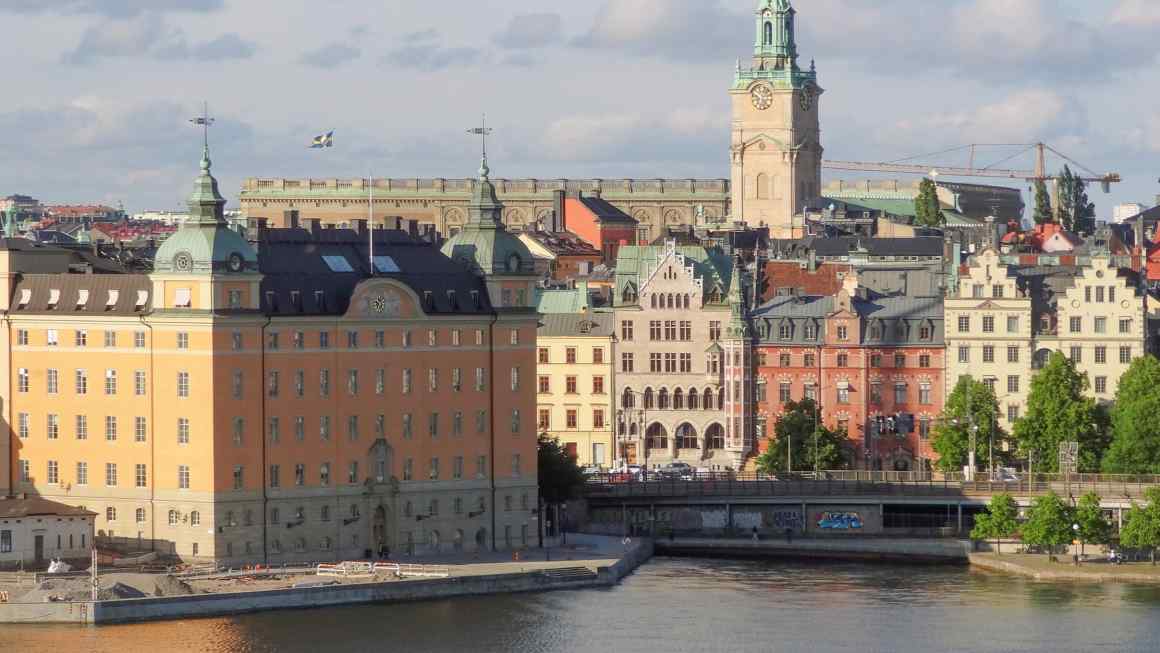
Japan, however, used to be the greatest luxury market on earth and luxury-watchers are interested in what’s going to happen to that market after the earthquake.

Recently luxury brands had floated the idea that Japan was still an important country for sales not because of local consumers, but because so many Chinese came to the country on vacation and took their consumerist cues from the more westernised Japanese, and thus the brands were justified in their continued enormous retail investments.

Now, however, it’s clear tourism is going to be affected by the earthquake, which suggests that Japan’s role as regional luxury showcase may be, if not in jeopardy, at least on hold. So what does that mean for the actual results?

As far as Burberry goes, the answer it turns out is “not much,” since unlike many other luxury brands, most of Burberry’s Japanese business is done through licences, which involve a guaranteed payment to the company, whether or not there’s a natural disaster.

Stacey Cartwright, Burberry’s chief financial officer, said: “Burberry is unusual in the luxury sector because the bulk of our business in Japan is through licencees. These are subject to minimum royalty payments and our current assumption is that we will continue to receive these payments as planned. Beyond licencing, Japan contributes less than 2 per cent to group sales through a non-apparel joint venture. This was impacted in the weeks immediately following the tragic events in the country, but has recovered somewhat since.”

This is interesting, because recent luxury conventional wisdom has it that licencing is less desirable than wholly-owned stores. Clearly, there are exceptions to that rule.

In their conference call, LVMH reminded everyone of the group’s big charitable donation to the earthquake victims (Y500m), and admitted the fashion and leathergoods category was negatively impacted by the earthquake.

When asked how much, Jean-Jacques Guiony, CFO, said there was a drop in March but that it was “difficult to extrapolate from that for the future,” and he wanted to “wait a little bit to get a clearer vision of what is going to happen.” He wouldn’t comment on specific brands and re-iterated the most important thing was the safety of their people.  In conclusion, he said it was a “very uncertain situation,” and we’d get an update in July.

Well, there you go. The clarity of not much clarity. In financials, as in life.

Material World

with Vanessa Friedman

About this blog About Vanessa Blog guide
Vanessa Friedman's blog deals with the fashion/luxury industry from both a corporate and consumer point of view, as well as the subject of dress.


Vanessa FriedmanVanessa has been the FT’s fashion editor since 2003, and is based in New York, though she lived in London for 12 years.
To comment, please register for free with FT.com and read our policy on submitting comments.

All posts are published in UK time.

Contact vanessa.friedman@ft.com about the Material World blog.

See the full list of FT blogs.

Luxury 360

Visit Luxury 360, the FT's new online hub for creative and commercial coverage of the luxury goods industry, featuring news, views and special reports.

Luxury 360

Archive

« Mar May »April 2011
M T W T F S S
 123
45678910
11121314151617
18192021222324
252627282930