


Capital controls

November 2, 2009 7:27pm

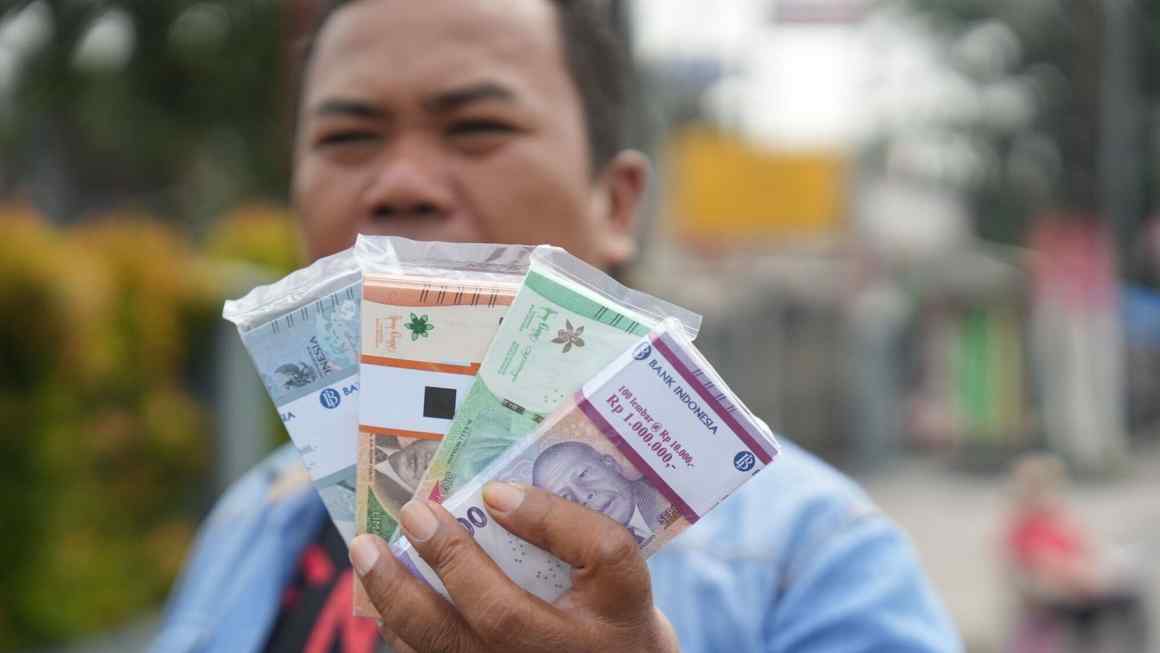
What do you do if you are an emerging market facing massive capital inflows that risk inflating the next round of bubbles? Brazil’s decision to impose a 2 per cent tax on short-term flows has been widely criticised and with good reason. Companies and investors will structure transactions that bypass the tax. The 2 per cent surcharge is anyway small relative, for instance, to the volatility in Brazil’s Real and may not provide much of a deterrence to a perceived one-way bet.

The problem is that while I think the inflow tax will not work, I struggle to see what the alternatives are. One way to prevent a domestic asset price bubble is to allow the currency to rise sharply, making domestic assets more expensive to foreigners and creating two-way currency risk in future. But this is very hard to do when other big emerging market exporters such as China are keeping their exchange rates pegged to the dollar.

I took part in an interesting discussion with IMF MD Dominique Strauss-Kahn this morning that touched on this issue. My takeaway: as long as China sticks to its current currency policy, there may not be any good policy options for other emerging economies facing big inflows.

Tags: ,