Oil


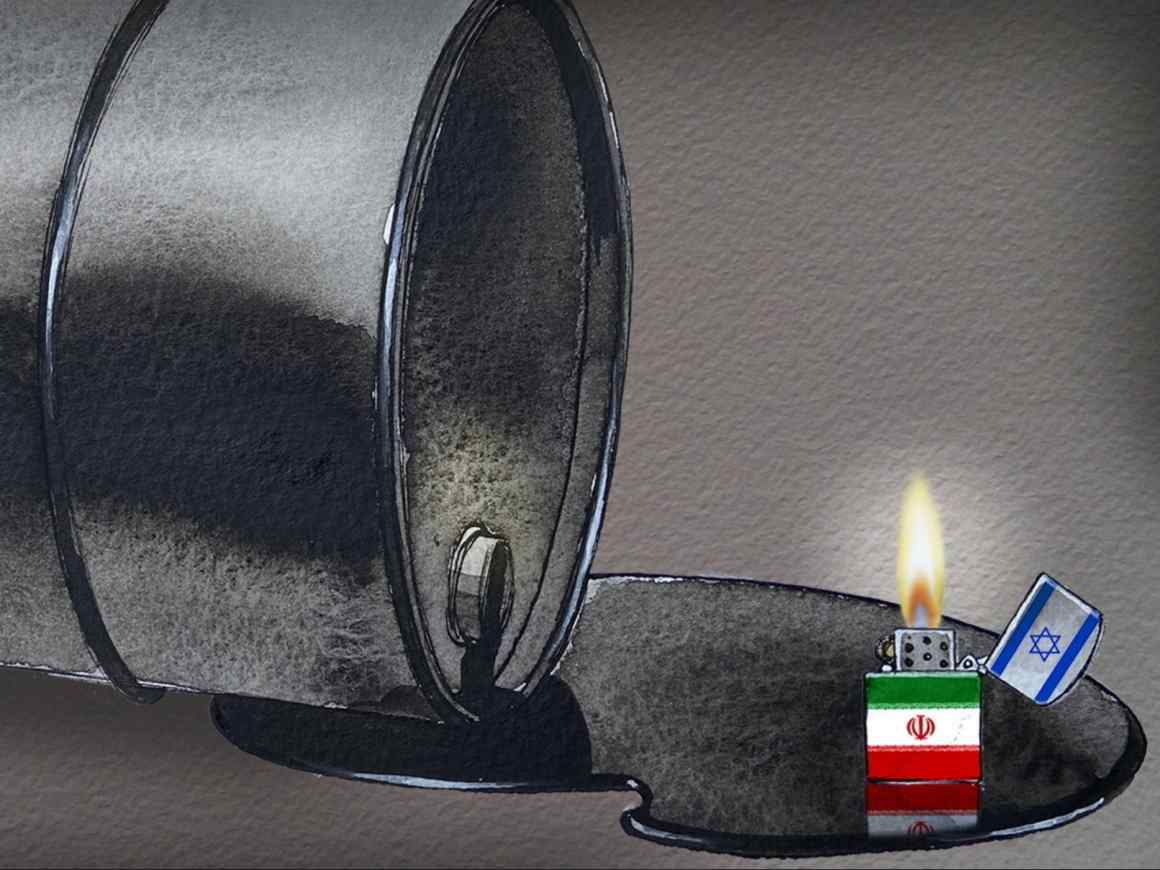
The sanctions imposed on Iran are not working. The Iranian economy is in a mess with shortages and inflation. But, as a very interesting paper just published by Patrick Clawson of the Washington Institute shows, it is not collapsing. Non-essential imports have been cut back and a range of exports – including minerals, cement and agricultural products – are actually growing. Iran’s main trading partners are Iraq, China, the UAE and India. Unemployment is high and no one believes the official figures, but it is probably lower than that of Spain. And, most seriously, oil sanctions are breaking down.

 Read more

The Brent oil price fell by more than six dollars last week and at $ 104 is now 20 per cent below its recent peak in the spring of 2012. No particular events have triggered the fall. There has been no deal with Iran which would end sanctions. Economic activity levels are hardly exciting but they haven’t suddenly collapsed. Uncertainties around North Korea might normally have been expected to push prices up. Read more

Vladmir Putin (left) and Igor Sechin (right)“We are about to see a new wave of consolidation in the world’s oil and gas business.” The words are not mine – they were spoken earlier this month by the President of what is now the world’s largest energy business. Igor Sechin is the President of Rosneft, the Russian company which with the completion of the takeover of TNK now produces over 4 million barrels of oil per day – more even than Exxon.

Rosneft is 70 per cent owned by the Russian state. Mr Sechin, who is famous for a spell in Soviet intelligence, is one of the most powerful men in Russia. John D. Rockefeller used every device possible to limit competition as he built Standard Oil and was eventually defeated by a cultural and legal resistance to monopoly. Mr Sechin has no such problems. The consolidation of Russia’s oil assets over the last decade has had the full support of the Kremlin. Read more

Climate pessimists, shale gas deniers, Opec ministers and (most important of all) investors in the energy sector should read the new Energy Outlook to 2040 produced by Exxon Mobil. It is an excellent piece of work, even if there is one important omission. Read more

The rumours that Vladimir Putin is about to replace Aleksey Miller as the chief executive of Gazprom continue to swirl around the markets across Europe. As usual it is hard to know what is true and what is dreamt up by Mr Miller’s enemies. Removing Mr Miller would not, however, solve Gazprom’s problems. What the company really needs is a new strategy. What should it be. ? Read more