Renewables

Germany turns to renewables. Image by Getty

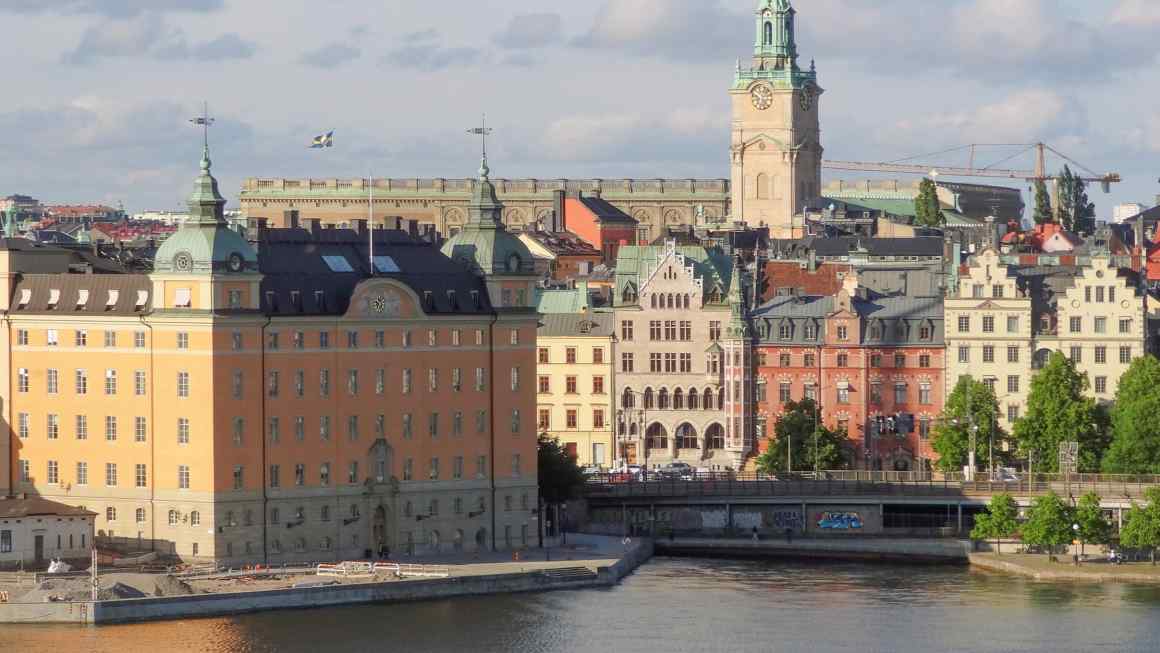
The future of the euro and the fate of Greece and Spain are not the only issues on which the key decisions are now taken in Berlin. As Gideon Rachman wrote the other day Berlin has taken its place as the centre of power in Europe, easily eclipsing Brussels.

On energy too, the policy choices made in the German Chancellery will shape what happens to the market across Europe and beyond. The only problem is that as in the case of the euro there is a marked reluctance in Berlin to take hard decisions. German politics work by consensus and reaching that consensus can take a long time. The result is that policy drifts and investment grinds to a halt. That is what is happening now. Read more

Why are renewables losing out? According to the International Energy Agency, renewables, excluding biomass but including hydro, currently provide just 8 per cent of global electricity supply and 3 per cent of total energy demand. By 2035 on the IEA’s main scenario those figures will rise to just 15 and 7 per cent respectively. That represents some serious growth but not a breakthrough. Hydrocarbons on all the IEA scenarios will still be providing well over 60 per cent of final energy. The figure could be higher if shale gas and tight oil developments spread from the US and if coal prices fall further.

This limited achievement comes despite a decade of high spending on research – especially in the US, and despite a variety of generous subsidies – ranging from direct grants and feed-in tariffs, to protected market shares. In the UK, the support is entrenched in legislation requiring the government to produce long-term plans for reducing emissions over the next four decades. Renewables have benefitted over the past few years from concerns about rising energy prices and energy security, as well as from the desire to tackle climate change. Read more

Mitt Romney has given Barack Obama a free pass when it comes to energy and environmental policy.  Obama needs only to point to Romney’s energy plan - with its proposed demolition of federal controls on new energy developments and its omission of any mention whatsoever of climate change to claim the votes of the environmental lobby.

Even those most disappointed by the last 4 years can hardly fail to back Obama when the alternative is someone who used his acceptance speech last week to mock Obama’s commitment to the environment and to contrast Obama’s aim of helping to save the earth and the oceans with his own commitment to helping ordinary American families get jobs.  But what won’t be said this week at the Democratic Convention in Charlotte is that the American energy outlook for the next four years at least is already very largely set, and won’t be much altered by whoever is elected in November. Read more

Short of appointing Jessica Ennis as head of government relations it is hard to think what more EDF could have done to get the UK government to give them the go-ahead to develop new nuclear power stations in the UK.  But still no decision has been taken on the crucial issue of pricing structures.  Almost every other potential investor has tired of waiting and pulled out of the game.  How much longer will EDF wait ? Read more


Mitt Romney speaks during a campaign rally at American Energy Corporation  in Beallsville, Ohio

Mitt Romney speaks during a campaign rally at American Energy Corporation in Beallsville, Ohio

The Republican presidential candidate Mitt Romney published last week his plan for Energy Independence for the US by 2020.  Critics immediately dismissed the plan as unachievable. But while parts of it certainly look unlikely, many of the proposals could be delivered and by including Canada and Mexico in the calculation, Romney has made “independence” technically possible.   The real challenge, however, is the mindset and beliefs revealed by the plan and its implications for the rest of the world. Read more