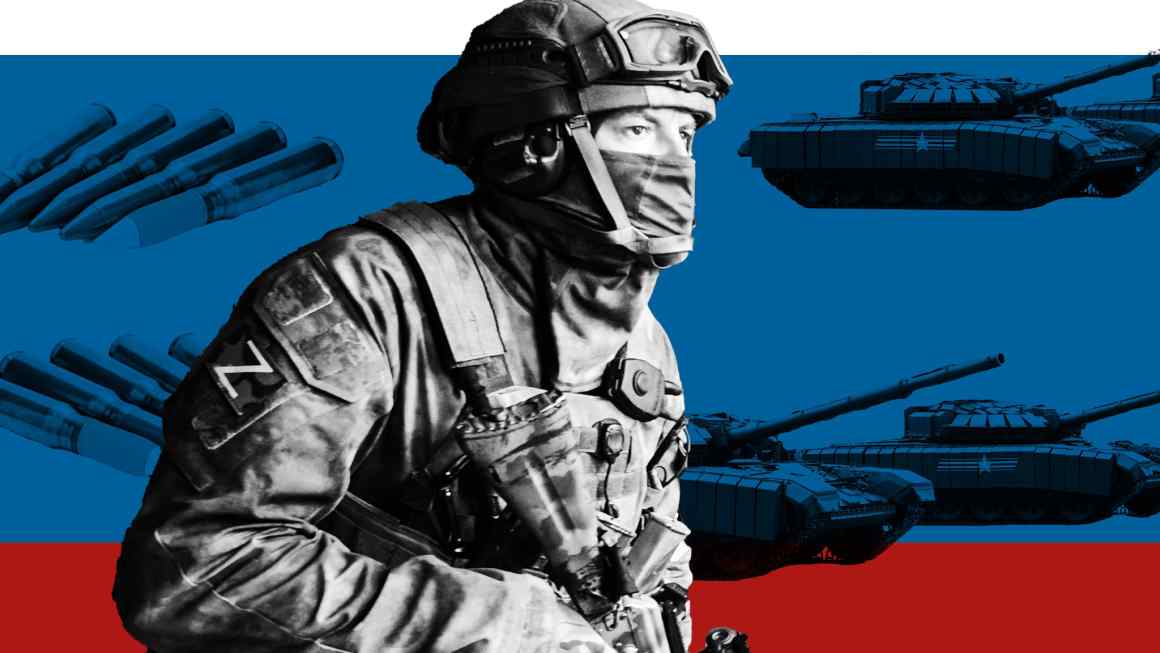
During the presidential election campaign Joe Biden warned rather injudiciously that world leaders would test Barack Obama’s mettle within six months of him taking office. Well, it doesn’t seem to have taken them that long. On the very day of Obama’s election, the Russian government announced plans to deploy cruise missiles in Kaliningrad, a tiny Russian enclave that borders Poland.
The Russians deploying missiles in a way that threatens American strategic interests and poses a test for a new, young, charismatic American president - what does that remind you of? JFK and Cuba, of course. A few months ago I heard Robert Kagan, an adviser to McCain, argue that inexperienced and liberal presidents are more likely to end up in dangerous international confrontations because hostile foreigners are more likely to put them to the test, and the new president is going to feel the need to show that he is tough. Eisenhower got through eight years without a truly dangerous confrontation with the Russians. But Kennedy had the Cuba missile crisis
With any luck, however, the Polish missile crisis won’t get anywhere near as dangerous as that. First, the Russians have their timing slightly off. Obama doesn’t take office until mid-January. By then the crisis might have been resolved, or the Americans might have got used to the idea of the new Russian deployment. Second, the missiles are actually going to be deployed on Russian, rather than Cuban soil. That obviously makes a big difference.
But the Russians have still miscalculated. I know that there was debate in Democratic Party circles about the wisdom of the anti-missile system that the Americans are deploying in Poland and the Czech Republic, which the Russians are so narked about. But there is no way that the Americans or the Poles will back down now. In fact, there was no way they could back down, after the Russian invasion of Georgia. The real debate in Obama circles will not be about whether to withdraw the missile system from Poland - it will be about whether to deploy Nato troops and assets in the Baltic states - and so heighten tensions with Russia still further.

Back to Gideon Rachman
This blog covers a variety of topics from US foreign policy to European politics and the Middle East - and whatever else happens to be in the news or catch my attention. I joined the FT as chief foreign affairs commentator in 2006, after a 15-year career at The Economist which included stints as a correspondent in Brussels, Bangkok and Washington. I write a weekly column on foreign affairs, which appears in the paper on Tuesdays. Occasionally my FT colleagues contribute posts to this blog.
Geoff Dyer is the FT's China bureau chief. He has been a correspondent in Shanghai and in Brazil and has also covered the pharmaceuticals and biotechnology industries from London.
Roula Khalaf is the FT's Middle East editor. She has worked for the FT since 1995, first as North Africa correspondent, then Middle East correspondent and most recently as Middle East editor. Before joining the FT, she was a staff writer for Forbes magazine in New York.
James Blitz is the FT's defence and diplomatic editor. He has been the FT's political editor, based in London, and Rome bureau chief. James is a former Moscow bureau chief for the Sunday Times.
Alan Beattie is the FT's world trade editor. He has previously been economics leader writer and spent two years in Washington DC as chief US economics correspondent. Before joining the FT, Alan was an economist at the Bank of England.
Victor Mallet is the FT's Madrid correspondent. He is a former Asia editor of the FT, and, in more than 20 years at the organisation, has also worked in Africa, Europe and the Middle East. In 1990 he escaped from Kuwait after being one of the few foreign correspondents there when Iraq invaded.
Stefan Wagstyl is the FT's eastern Europe editor, co-ordinating coverage of the region. He has also been the FT's bureau chief in Tokyo and New Delhi.