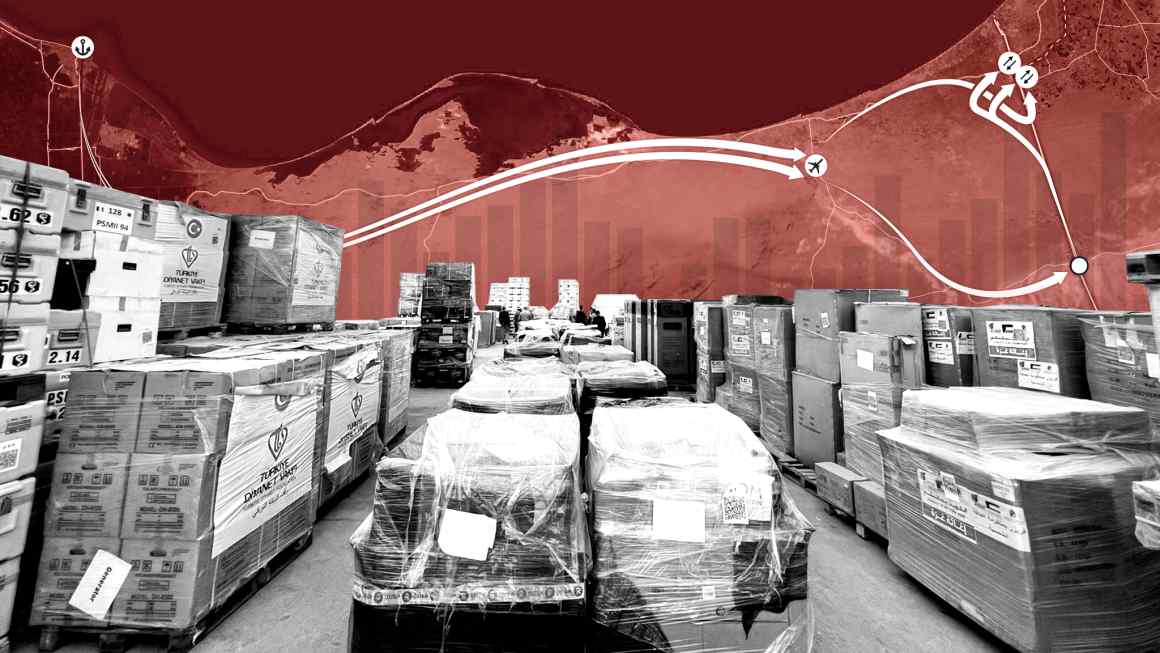
The BBC are under attack for refusing to broadcast a charity appeal for people made homeless in Gaza. The Observer newspaper claims that the BBC has been thrown into crisis by the decision. Jon Snow, a veteran broadcaster, calls the decision “ludicrous”. Douglas Alexander, a government minister, has called upon the BBC to re-consider. Tim Llwellyn, a former BBC correspondent, accuses his former employer of “cowardice”.
But I think the BBC are right. Broadcasting a charity appeal for Gaza at this particular moment would compromise the corporation’s impartiality. This is not a disaster caused by a tsuanami or an earthquake. It is not an Act of God. It is the product of a highly controversial war - and for the BBC to broadcast appeals for humanitarian relief for Palestinian victims would inevitably be seen as a political act.
This is not to say that I think that firepower the Israelis unleashed on Gaza was justifiable - I don’t, I think it was appalling. But the BBC’s most important job is to report on what is going on, and its most important asset is its credibility. I think BBC reporters have done a pretty good job in this latest crisis. But they are routinely attacked for “bias”, particularly in the United States and Israel. Why play into the hands of their critics? There are plenty of other avenues for charities to appeal for help for the Palestinians.

Back to Gideon Rachman
This blog covers a variety of topics from US foreign policy to European politics and the Middle East - and whatever else happens to be in the news or catch my attention. I joined the FT as chief foreign affairs commentator in 2006, after a 15-year career at The Economist which included stints as a correspondent in Brussels, Bangkok and Washington. I write a weekly column on foreign affairs, which appears in the paper on Tuesdays. Occasionally my FT colleagues contribute posts to this blog.
Geoff Dyer is the FT's China bureau chief. He has been a correspondent in Shanghai and in Brazil and has also covered the pharmaceuticals and biotechnology industries from London.
Roula Khalaf is the FT's Middle East editor. She has worked for the FT since 1995, first as North Africa correspondent, then Middle East correspondent and most recently as Middle East editor. Before joining the FT, she was a staff writer for Forbes magazine in New York.
James Blitz is the FT's defence and diplomatic editor. He has been the FT's political editor, based in London, and Rome bureau chief. James is a former Moscow bureau chief for the Sunday Times.
Alan Beattie is the FT's world trade editor. He has previously been economics leader writer and spent two years in Washington DC as chief US economics correspondent. Before joining the FT, Alan was an economist at the Bank of England.
Victor Mallet is the FT's Madrid correspondent. He is a former Asia editor of the FT, and, in more than 20 years at the organisation, has also worked in Africa, Europe and the Middle East. In 1990 he escaped from Kuwait after being one of the few foreign correspondents there when Iraq invaded.
Stefan Wagstyl is the FT's eastern Europe editor, co-ordinating coverage of the region. He has also been the FT's bureau chief in Tokyo and New Delhi.