By Alan Beattie, the FT’s world trade editor
Look, not my specialist subject, but here’s my eurocent’s-worth on the appointment of the Baroness High Representative and the Lord High Everything Else.
(Incidentally, I’d have stuck with the classic original song for this blog post title, but if there’s one thing Brussels isn’t short of, it’s lawyers.)
The biggest problem with these posts isn’t the final personnel decision, though that’s certainly in the top two. It’s that no matter who fills them, there’s no there there. Pick any important foreign policy question of the last twenty years - Bosnia, Kosovo, Afghanistan, Iraq, Israel/Palestine - and it’s clear that what you need for influence is one or all of:
1. veto power on the UN Security Council
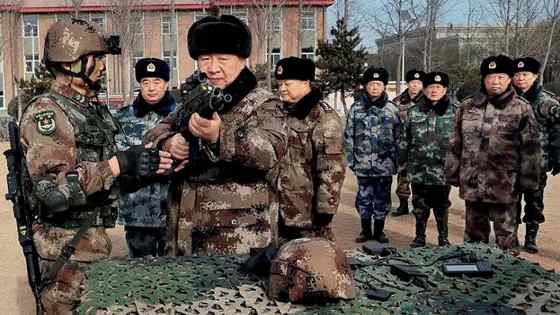
2. troops you can send into battle (a shooting war, not peacekeeping)
3. foreign/military aid big enough to matter that you can use for political ends
The US and China, for example, have all three; Russia, the UK and France 1 and 2 (with possible 3 for Russia in its neighbourhood and France in francophone Africa). The EU president and high representative have none. EU aid is too slow to be used in this way, and in any case is rightly not supposed to be politicised. They will shuffle naked into the conference chamber.
There’s way too much chatter about personalities around today. You could have made Winston Churchill secretary-general of the League of Nations and it would still have failed. The personnel appointment might be a problem, but it’s not the main one.
Related reading:
Cathy Ashton: 10 things to know FT Westminster blog
Van Rompuy and Ashton: big enough for the big EU jobs? FT Brussels blog
Name a famous Belgian The Economist
Where we could have been this evening Jon Worth’s Euroblog
The new EU Julien Frisch, Watching Europe

Back to Gideon Rachman
This blog covers a variety of topics from US foreign policy to European politics and the Middle East - and whatever else happens to be in the news or catch my attention. I joined the FT as chief foreign affairs commentator in 2006, after a 15-year career at The Economist which included stints as a correspondent in Brussels, Bangkok and Washington. I write a weekly column on foreign affairs, which appears in the paper on Tuesdays. Occasionally my FT colleagues contribute posts to this blog.