
The consolidator’s curse

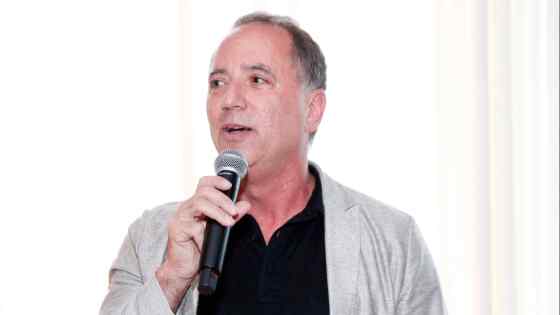
Larry_ellison Growing a company through acquisitions can feel a bit liking eating Chinese food. Two hours after you’ve had a meal you’re hungry again.

Larry Ellison must be starting to feel that way. When he bought PeopleSoft, he promised it would put Oracle on course for earnings per share growth of at least 20 per cent a year. He’s more than met that promise (that is, if you care to overlook the little matter of amortisation – more on that below.)

The trouble with strategies like this is, they only work if you keep buying. Prices have been going up and suitable big targets are getting scarcer – which explains why this has now become a preoccupation on Wall Street, to judge by the questions Ellison faced at his company’s annual financial analyst meeting on Wednesday.

Ellison’s message to the doubters: "We have found some very attractive targets, and we think we can do it for a while longer." Compared to the horizontal software plays he has bought so far, the next spate of deals might involve more "vertical" companies that specialise in specific industry sectors. "We can buy a typical vertical company that’s running at 5 per cent [operating margins] and run it at 30 or 40 per cent," Ellison boasted.

The trouble is, the bigger Oracle gets, the hungrier it becomes. According to Charles Di Bona at Sanford C Bernstein, Oracle will have to spend $52-58bn on acquisitions over the next five years to keep its earnings per share machine ticking over at the desired rate. So either the deals have to get bigger – in which case the risk of overpaying and the complexity of integration go up – or Oracle has to spread its net wide and trawl for large numbers of smaller transactions.

There’s no question that Ellison’s consolidation play has been a huge success. The outcome of his current circling of the beleagured BEA Systems should give some idea of how long he can keep it up.

Footnote: What is the right measure of earnings for a serial acquirer like this, anyway? Oracle likes to boast about its pro-forma earnings per share. But as the deals have flowed, the amortisation of intangibles has picked up: 12 per cent of operating profits in the 2006 fiscal year, rising to 15 per cent in 2007.

Look at it another way. Back in 2004, Oracle’s earnings per share looked roughly the same on both a GAAP and non-GAAP basis. In the three years since, the pro-forma number has jumped by 98 per cent: the GAAP number is only up 62 per cent. Like too much Chinese food, all those deals start to show on the waistline in the end.

FT techfeed

Tech Blog

Analysis & reviews

About this blog Blog guide
Richard Waters, Chris Nuttall and April Dembosky in the FT's San Francisco bureau share their views - plus tech insights from Tim Bradshaw and Maija Palmer in London and Robin Kwong in Taipei.


Read about the authors


To comment, please register for free with FT.com and read our policy on submitting comments.

All posts are published in UK time.

Contact the FT Tech Hub team: richard.waters@ft.com, chris.nuttall@ft.com, april.dembosky@ft.com, maija.palmer@ft.com, robin.kwong@ft.com and tim.bradshaw@ft.com.

See the full list of FT blogs.

Archive

« Oct Dec »November 2007
M T W T F S S
 1234
567891011
12131415161718
19202122232425
2627282930  

Tech analysis and reviews

Coding for dummies

Execs learn geek techniques

Time for smartwatches?

Sony synchronises watches with smartphones

Tags

advertising android apple AT&T Electronic Arts Europe Facebook funding google hacking hewlett-packard HP htc instagram intel iPad iphone IPO Jawbone Lenovo London megaupload microsoft Mobile Netflix Nintendo nokia nokia lumia patents privacy samsung smartphones social media social networking Sony SOPA Spotify story of the week Tablets Toshiba twitter venture capital Wikipedia Yahoo Zynga