
We now have a date – June 17 – for the launch of OnLive, but uncertainties about the pricing and availability of the revolutionary cloud gaming service remain.
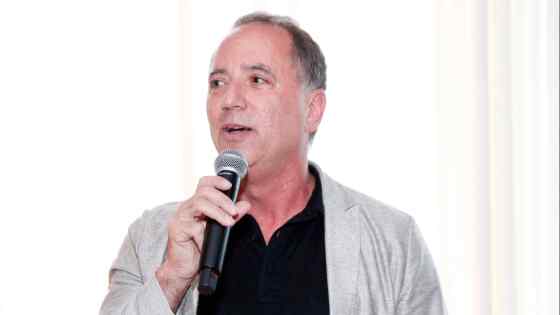
Steve Perlman did tell us the service would cost $14.95 a month and would be available in the 48 contiguous US states in his presentation today at the Game Developers Conference in San Francisco. But, in a conversation afterwards with the OnLive founder and Mike McGarvey, chief operating officer, the pricing seemed variable and availability looks like being initially limited in terms of actual numbers.
The subscription cost may give some gamers pause for calculation. It adds up to $180 a year and allows gamers to create personal profiles and chat with connections, but does not include access to games other than demos. Game titles will be available to rent or buy at a price yet to be announced.
Mr Perlman pointed out Microsoft’s online service Xbox Live did not include game-playing in its membership either. But Xbox Live is free and a Gold version costs only $50 a year for access to multi-player games.
So a gamer would spend less money over two years buying an Xbox 360 or PlayStation 3 console on a payment plan than spending $360 on OnLive membership.
Of course, console disk-based games cost around $60, while OnLive will offer them as cheaper digital monthly rentals, so money could be saved there, although the market for cheaper used games complicates the equation.
OnLive does promise features not available on consoles – instant availability and booting of the latest video game titles, no need to spend time updating and patching, as well as the ability to watch others playing games and pause and then resume your game playing on a different platform.
Many people will want to try the service and its first three months will be free for the first 25,000 players registering. Mr Perlman said there would be special pricing, with three-month, six-month and annual offers, while Mr McGarvey suggested the service needed to be priced at a premium at launch.
However, demand may exceed supply initially. Mr McGarvey said 250,000 signed up for beta testing of the service but less than 10,000 could be hosted.
“We are a start-up…our capacity is going to be very limited [initially], but we can ramp very quickly,” he said, adding that 25,000 was “in the ball park” for those that would be able to try the service at launch.