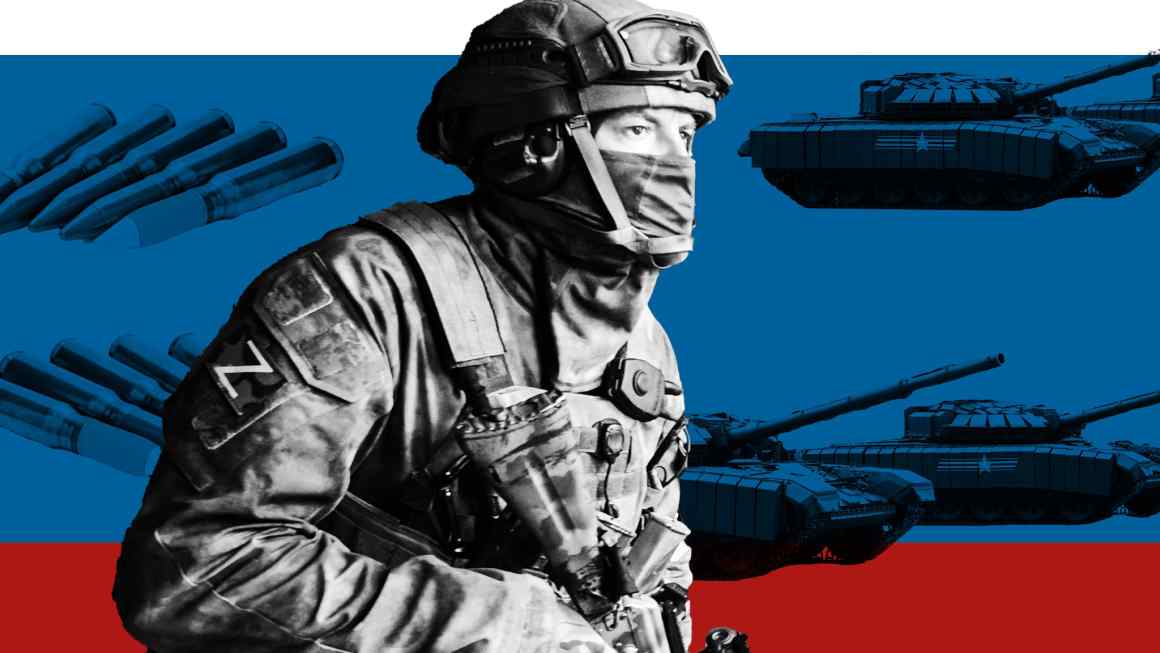

At a cybersecurity conference in Tel Aviv yesterday, the Russian antivirus expert who discovered the Flame computer virus, a type of malicious software, appealed to the US and Israel to cease deploying cyberweapons. They “are a very bad idea”, he said. “My message is: stop doing this before it’s too late.” How right Eugen Kaspersky was.
Until now, cyberwarfare has been largely confined to Hollywood or to the prophecies of a few Cassandras warning darkly of a “digital Pearl Harbor” or “Cybergeddon”. But two closely linked events last week should give everyone cause for concern. An arms race in cyberspace is a distinct reality.

As UK companies scramble to comply with new laws requiring them to disclose and get permission for all the cookies they use, a new study has found that more than two thirds of all the bits of tracker code on websites are from third parties. Which means they are essentially for delivering targeted advertising or analysing behaviour across the website.

A list of hacked private data belonging to 537 customers, posted anonymously on the internet on Friday led Dutch telecoms company KPN to shut down email access for two million clients for two days while it reinforced security, writes Matt Steinglass in Amsterdam.
Kaspersky Labs is one of a group of European IT security companies that has been talking about floating since at least 2007. But Eugene Kaspersky, the company’s founder and majority shareholder, has now announced the company is planning to stay private after all.


Karsten Nohl, the celebrity mobile cryptography expert, has been at it again. Two years ago he caused a stir by showing that the
Older entries

Richard Waters
Chris Nuttall
Maija Palmer
Robin Kwong
Tim Bradshaw