After all the personal criticism he has taken in his 17 months as CEO, it’s worth remembering the reception Jerry Yang got when he was picked by Yahoo’s board to replace Terry Semel.
The assumption on Wall Street was that he would be a stop-gap boss, there to keep the seat warm until Sue Decker had done enough to prove she was up to running the show. According to people who know him, he was always happiest in the Chief Yahoo! role, where he could exercise significant behind-the-scenes influence (the relationship with Jack Ma of Alibaba owes much to Yang) while still getting the time to hone his impressive golf game.
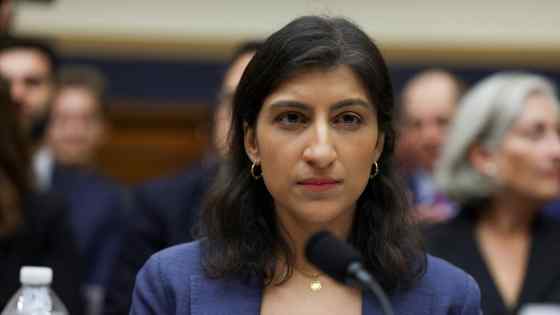
What came next would be enough to make the toughest CEO blanch: an unsolicited bid from Microsoft, a proxy fight with Carl Icahn, regulatory opposition to a major strategic move (the Google partnership) and a collapsing advertising market. For good measure, Yang also had to endure Congress’s version of a public flogging at a hearing over Yahoo’s role in the jailing of a Chinese dissident.
The question that remains is not so much why Yang failed, as why Yahoo’s board left the company so exposed. Semel, who served as chairman after first handing over the reins, must take much of the blame. Roy Bostock, who succeeded Semel, may have had little choice but to support Yang through much of this year’s turmoil, but he personally bears much of the blame for the debacle of the Microsoft talks.
Yang may be stepping out of the firing line, but Bostock - and the rest of Yang’s board - are still very much in it.

Back to Tech Blog homepage
David Gelles, Joseph Menn, Chris Nuttall and Richard Waters in the FT's San Francisco bureau upload their views - plus tech insights from writers in New York, London and Tokyo
Richard Waters
Chris Nuttall
David Gelles
Maija Palmer
Joseph Menn
Robin Kwong
Tim Bradshaw
The latest gadgets and gizmos, reviewed by Jonathan Margolis in How To Spend It.
Paul Taylor, the FT’s personal technology expert, answers your gadgetry questions